ResinsBlood-activatingMyrrha

Mo Yao (Myrrh)

沒藥 · Mo Yao

Blood-activating herb in Traditional Chinese Medicine. Traditional functions: Breaks blood, eliminates stasis, disperses swelling, stops pain.

In-Depth Guide

Want to learn more about Mo Yao?

Read our in-depth guide →

Quick Facts

Latin NameMyrrha
Chinese Name & Pinyin沒藥 · Mo Yao
Medicinal PartResins
Efficacy CategoryBlood-activating
Botanical OriginThe oily and gummy resin that seeps from the trunk bark of Commiphora myrrha Engl. (C. molmol Engler) from the family Burseraceae and other trees in the same genus. Often harvested during November to the following February, but also can harvest during June to July, after it is collected, any foreign matter that is present is picked out.
Nature & FlavourAcrid, Bitter; Neutral
Channels EnteredHeart, Liver, Spleen

What Is Mo Yao?

Mo Yao (Myrrh) is a medicinal herb of Traditional Chinese Medicine.

Primarily produced in Somalia, Ethiopia, Arabian Peninsula and India.

Nature & Flavour: Acrid, Bitter; Neutral
Channels Entered: Heart, Liver, Spleen

Mo Yao: Materia Medica Profile

Identification & Quality Standard

Myrrha

Botanical Origin

The oily and gummy resin that seeps from the trunk bark of Commiphora myrrha Engl. (C. molmol Engler) from the family Burseraceae and other trees in the same genus. Often harvested during November to the following February, but also can harvest during June to July, after it is collected, any foreign matter that is present is picked out.

Production Regions

Primarily produced in Somalia, Ethiopia, Arabian Peninsula and India.

Quality Requirements

Superior medicinal material is large, reddish-brown, translucent, with potent and durable aroma, and lack of foreign matter.

Macroscopic Features

Natural mo yao: Irregular granular lumps, uneven size, diameter up to more than 6cm. Externally yellowish-brown or reddish-brown, nearly translucent portion is brownish-black, covered with yellow powder. Hard and brittle texture, crushed surface is uneven, not lustrous, with a distinctively aromatic odor, bitter and slightly acrid taste. Colloid mo yao: Irregular lumps, often clustered together in uneven lumps. Externally dark brown or yellowish-brown, oblique; hard or loose texture, bitter taste and sticky.

Traditional TCM Properties

Acrid, Bitter; NeutralHeartLiverSpleen

Traditional Functions

Breaks blood, eliminates stasis, disperses swelling, stops pain.

How Mo Yao Is Used in TCM

In the Chinese materia medica, Mo Yao is classified among the Blood-activating herbs. It appears in 3 classical formulas in our library.

Formulas containing Mo Yao are traditionally used for:

DysmenorrheaAbdominal PainIrregular MenstruationCold LimbsJoint DiscomfortMuscular StiffnessLow Back PainNumbness in LimbsNeck PainFeverSore Throat

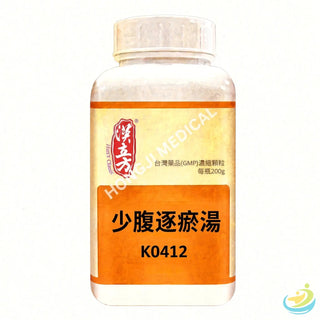
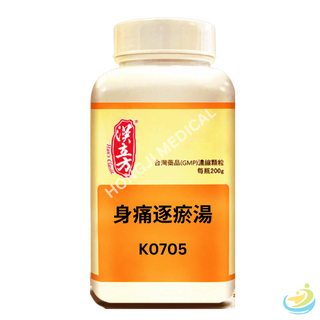
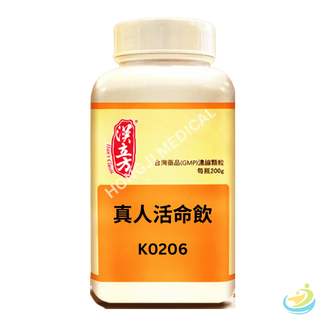
Classical Formulas Containing Mo Yao

Frequently Asked Questions

What is Mo Yao? Are natural myrrh, gelatinous myrrh, vinegar-fried myrrh and Ru Xiang the same?
Official Mo Yao (没药) is the dried resin of Commiphora myrrha or C. molmol. The pharmacopoeial name is Myrrha. Commerce splits natural myrrh and gelatinous myrrh—one monograph. Vinegar-fried Mo Yao is stir-fried with vinegar until glossy: less irritating, easier internally for moving Blood and stopping pain. Ru Xiang is frankincense resin from the same family: acrid-warm, moves Blood and Qi, extends sinews and stops pain—classically paired. Ru Xiang leans to moving Qi and extending sinews; Mo Yao leans to dispersing Blood and transforming stasis. Do not swap in “dog-skin myrrh” or anonymous resin. Write Mo Yao or Cu Mo Yao.
What are the TCM properties and traditional uses of Mo Yao?
According to the Chinese Pharmacopoeia, Mo Yao is acrid, bitter and neutral, enters the Heart, Liver and Spleen channels, and acts to disperse stasis and settle pain, and reduce swelling to generate flesh. It is used for chest-impediment heart pain, epigastric pain, painful menstruation and amenorrhea, postpartum stasis, concretions with abdominal pain, wind-damp impediment pain, falls and knocks, and sores and welling-abscesses. Bitter-draining and acrid-dispersing—suited to stasis pain and sores, not to deficiency without stasis, a weak Stomach, or pregnancy.
How do you choose raw versus vinegar-fried Mo Yao? Why pills and powders?
Raw resin is intensely aromatic and mostly powdered for sores and trauma. Vinegar-fried Mo Yao lessens irritation and strengthens moving Blood and stopping pain—preferred internally. The pharmacopoeia writes process to remove oil; mainly pills and powders, because the resin is sticky and turbid and a decoction easily nauseates and irritates the Stomach. In a decoction keep the dose small and take after meals. Unprocessed or badly processed lots can cause chest oppression and vomiting.
Read the complete guide →

Learn More About Mo Yao

Explore our in-depth article covering the traditional uses, properties, functions, and TCM context of Mo Yao.

Read the Mo Yao Guide →

Medical Disclaimer — This article is provided for educational purposes only and describes traditional Chinese medicine concepts. It is not medical advice, and it is not intended to diagnose, treat, cure or prevent any disease. Always consult a qualified practitioner before using any herb, particularly if you are pregnant, nursing, taking medication or managing a diagnosed condition.

Login

Forgot your password?

Don't have an account yet?
Create account