Xiao Xian Xiong Tang: Classic TCM Formula for Phlegm-Heat Obstructing the Chest

Xiao Xian Xiong Tang (小陷胸汤), known in English as Minor Decoction for Trapping the Chest, is a classical formula from the Shang Han Lun for Phlegm-Heat obstructing the chest (minor Xian Xiong pattern). It is particularly indicated for chest oppression, pain in the chest and hypochondrium, cough with sticky yellow phlegm, and a feeling of fullness in the chest. In modern clinical practice, Xiao Xian Xiong Tang is widely used for Phlegm-Heat patterns in the Lung and chest with both Heat and Phlegm signs. By powerfully clearing Heart and Lung Heat while transforming Phlegm and opening the chest, it effectively resolves Phlegm-Heat obstruction and restores normal Qi movement in the upper jiao.

Xiao Xianxiong Tang: Clearing Heat, Transforming Phlegm, Widening the Chest and Dispersing Binds, Improving Gastroesophageal Reflux, Chest Oppression and Phlegm-Heat Constraint | HJMEDICAL

I. Origins and History

1. Classical Literary Records

Xiao Xianxiong Tang originates from the Shanghan Lun (Treatise on Cold Damage), authored by the celebrated late Eastern Han dynasty physician Zhang Zhongjing. The Shanghan Lun is a classic among classics within Chinese medicine, systematically elaborating the pattern differentiation and treatment principles for externally-contracted febrile diseases and miscellaneous conditions, and exerting a far-reaching influence on later Chinese medicine clinical practice and theoretical development. As one of the important formulas within it, Xiao Xianxiong Tang is recorded in chapters such as "Pulse Patterns, Diagnosis, and Treatment of Taiyang Disease," providing an important formula model for later physicians in treating patterns of phlegm-heat mutual binding.

2. Historical Transmission and Development

Since the Shanghan Lun first appeared, Xiao Xianxiong Tang has consistently been valued and applied by physicians across the generations. Over time, physicians of later eras continuously researched and expanded upon it in clinical practice. For example, the Jin-Yuan period physician Li Dongyuan elaborated on the application of Xiao Xianxiong Tang in his writings, emphasising the important role of the spleen and stomach in the onset and development of disease and recognising that the pattern of phlegm-heat mutual binding is closely related to spleen-stomach functional disorder — further enriching the theoretical content of Xiao Xianxiong Tang. During the Ming and Qing dynasties, physicians, building upon predecessors' experience, conducted more in-depth research into the herb combination, dosage adjustment, and other aspects of Xiao Xianxiong Tang, making its clinical application more flexible and varied.

Xiao Xianxiong Tang: Clearing Heat, Transforming Phlegm, Widening the Chest and Dispersing Binds, Improving Gastroesophageal Reflux, Chest Oppression and Phlegm-Heat Constraint | HJMEDICAL

II. Herb Composition (Sovereign, Minister, Assistant, Envoy)

1. Chief Herb — Huanglian (Coptis Root)

Huanglian is bitter in flavour and cold in nature, entering the Heart, Spleen, Stomach, Liver, Gallbladder, and Large Intestine channels. Greatly bitter and greatly cold, its heat-clearing and dampness-drying potency is strong, with particular skill at clearing middle-burner damp-heat. In Xiao Xianxiong Tang, Huanglian targets the pathomechanism of phlegm-heat mutual binding by directly clearing interior heat, serving as the key herb for treating phlegm-heat. It can drain heart fire, preventing heart heat from shifting downward into the small intestine, and can also dry dampness, preventing dampness pathogen from binding with heat pathogen, thereby eliminating the source of phlegm-heat generation.

2. Deputy Herb — Banxia (Pinellia)

Banxia is acrid in flavour, warm in nature, and slightly toxic, entering the Spleen, Stomach, and Lung channels. It has the actions of drying dampness and transforming phlegm, directing counterflow downward to stop vomiting, and dissipating glomus and dispersing binds. In Xiao Xianxiong Tang, Banxia primarily exerts the action of drying dampness and transforming phlegm. Its combination with Huanglian — one warm, one cold — exemplifies complementary opposite action: the cold herb (Huanglian) with the warm herb (Banxia) does not cause excessive cold congealing; the warm herb (Banxia) with the cold herb (Huanglian) does not assist heat. The two jointly target the pattern of phlegm-heat mutual binding, performing the actions of transforming phlegm and dispersing binds and eliminating glomus and fullness.

3. Assistant Herb — Gualou Shi (Trichosanthes Fruit)

Gualou Shi, meaning the whole Trichosanthes fruit, is sweet and slightly bitter in flavour and cold in nature, entering the Lung, Stomach, and Large Intestine channels. It has the actions of clearing heat and rinsing away phlegm, widening the chest and dispersing binds, and moistening dryness to lubricate the bowels. In Xiao Xianxiong Tang, Gualou Shi is the important assistant herb: it can clear heat and transform phlegm, and also widen the chest and disperse binds. Its large, capacious fruit shape corresponds to the formula's action of dispersing binds and eliminating glomus. The presence of Gualou Shi reinforces the heat-clearing, phlegm-transforming, bind-dispersing, and glomus-eliminating action of Huanglian and Banxia, making the entire formula's medicinal force more concentrated upon the pattern of phlegm-heat mutual binding.

Xiao Xianxiong Tang: Clearing Heat, Transforming Phlegm, Widening the Chest and Dispersing Binds, Improving Gastroesophageal Reflux, Chest Oppression and Phlegm-Heat Constraint | HJMEDICAL

III. Pathomechanism, Actions, and Indications

1. Pathomechanism Analysis

The pathomechanism targeted by Xiao Xianxiong Tang is phlegm-heat mutually binding below the heart. External pathogenic qi entering the interior and transforming into heat, or dysfunction of zang-fu organ function, leads to internal generation of phlegm turbidity; phlegm and heat mutually contend and bind, obstructing the region between the chest and stomach, forming the pattern of glomus and binding. Phlegm-heat mutually binding with unsmooth qi movement gives rise to glomus and fullness below the heart; phlegm-heat disturbing upward may cause vexation and a bitter taste in the mouth; phlegm-heat obstructing and affecting spleen-stomach transforming and transporting function may also be accompanied by manifestations such as nausea, vomiting, and poor appetite.

2. Actions

Xiao Xianxiong Tang has the actions of clearing heat and transforming phlegm, and widening the chest and dispersing binds. Within the formula, Huanglian clears heat and drains fire; Banxia dries dampness and transforms phlegm; Gualou Shi clears heat and rinses away phlegm, and widens the chest and disperses binds — the three acting synergistically allow the phlegm-heat to be cleared and transformed, qi movement to become unobstructed, and the glomus and binding to be dispersed.

3. Indications

It is primarily indicated for the pattern of phlegm-heat mutual binding. Clinically, symptoms include glomus and fullness below the heart that is painful on pressure, or chest pain and oppression, or cough with yellow, thick phlegm, a bitter taste in the mouth, a yellow greasy tongue coating, and a slippery, rapid pulse. Commonly seen in multiple conditions in modern medicine belonging to the pattern of phlegm-heat mutual binding, such as chronic gastritis, gastric ulcer, cholecystitis, and pleuritis.

Xiao Xianxiong Tang: Clearing Heat, Transforming Phlegm, Widening the Chest and Dispersing Binds, Improving Gastroesophageal Reflux, Chest Oppression and Phlegm-Heat Constraint | HJMEDICAL

IV. Formula Analysis

1. Combining Heat-Clearing with Phlegm Transformation

Huanglian is bitter and cold, clearing heat and directly breaking the momentum of interior heat, forming the foundation for clearing and transforming phlegm-heat. Banxia dries dampness and transforms phlegm, with a relatively strong phlegm-transforming potency. The two — one cold, one warm, mutually combining — can both eliminate the damp-heat pathogen and prevent the disadvantage of cold herbs injuring the middle and warm herbs assisting heat. Gualou Shi clears heat and transforms phlegm and can also widen the chest and disperse binds; acting synergistically with Huanglian and Banxia, it reinforces the action of clearing heat and transforming phlegm and eliminating the glomus and binding. This method of combining heat-clearing with phlegm transformation, targeting the pathomechanism of phlegm-heat mutual binding, is the key to Xiao Xianxiong Tang exerting its therapeutic action.

2. Pairing Qi Regulation with Bind Dispersal

Phlegm-heat mutually binding causes unsmooth qi movement, forming glomus and binding. Within the formula, Gualou Shi widens the chest and disperses binds, helping to ensure free flow of qi movement. Simultaneously, Banxia directs counterflow downward and transforms phlegm, also capable of regulating qi movement. Pairing qi regulation with bind dispersal allows qi to flow freely so phlegm disperses; as the binding disperses the glomus is eliminated, thereby achieving the goal of treating the pattern of phlegm-heat mutual binding complicated by unsmooth qi movement.

3. Significance of Drug Dosage and Combination Proportions

Within Xiao Xianxiong Tang, the dosage of Huanglian is relatively small, the dosage of Banxia is moderate, and the dosage of Gualou Shi is relatively large. This dosage ratio embodies the formula's characteristic approach to herb use. Huanglian primarily clears heat; a small dosage avoids excessive bitter-cold injury to the stomach. Banxia dries dampness and transforms phlegm; a moderate dosage allows it to exert its phlegm-transforming and qi-regulating actions. Gualou Shi is used in a large quantity, with its actions of clearing heat and rinsing away phlegm and widening the chest and dispersing binds as the primary emphasis, highlighting the formula's focus on treating phlegm-heat mutual binding and glomus and fullness with pain.

Xiao Xianxiong Tang: Clearing Heat, Transforming Phlegm, Widening the Chest and Dispersing Binds, Improving Gastroesophageal Reflux, Chest Oppression and Phlegm-Heat Constraint | HJMEDICAL

V. Comparison with Related Formulas

1. Comparison with Da Xianxiong Tang

Da Xianxiong Tang and Xiao Xianxiong Tang both originate from the Shanghan Lun and are both used to treat chest disorders. However, the Da Xianxiong Tang pattern is water-heat mutually binding in the chest and hypochondrium with a more severe condition, manifesting as hard, full, and painful below the heart that cannot be touched, constipation, and a sunken, tight pulse; its herb composition of Dahuang (Rhubarb Root), Mangxiao (Mirabilite), and Gansui (Euphorbia Kansui) is potent, with a primary action of draining downward and expelling water. The Xiao Xianxiong Tang pattern, by contrast, is phlegm-heat mutually binding below the heart with a relatively milder condition, manifesting as glomus and fullness below the heart that is painful on pressure, or chest pain and oppression, a yellow greasy tongue coating, and a slippery, rapid pulse; its herb composition of only Huanglian, Banxia, and Gualou Shi is relatively gentle in medicinal force, with a primary action of clearing heat, transforming phlegm, widening the chest, and dispersing binds.

2. Comparison with Wendan Tang

Wendan Tang also has the action of transforming phlegm; its composition includes Banxia (Pinellia), Zhuru (Bamboo Shavings), Zhishi (Unripe Bitter Orange), Chenpi (Dried Tangerine Peel), Gancao (Licorice Root), and Fuling (Poria), with the actions of regulating qi and transforming phlegm, and clearing the gallbladder and harmonising the stomach. Compared with Xiao Xianxiong Tang, Wendan Tang focuses on gallbladder-stomach disharmony with internal disturbance by phlegm-heat, with regulating qi and transforming phlegm and harmonising the stomach and benefiting the gallbladder as its primary action, with symptoms mostly manifesting as vexation with insomnia, a bitter taste in the mouth and dry throat, and nausea with hiccupping. Xiao Xianxiong Tang, by contrast, primarily targets phlegm-heat mutually binding below the heart, with clearing heat and transforming phlegm and widening the chest and dispersing binds as its primary emphasis, with symptoms primarily manifesting as glomus and fullness and pain below the heart. The two differ in their pathomechanism, actions, and indicated symptoms.

Xiao Xianxiong Tang: Clearing Heat, Transforming Phlegm, Widening the Chest and Dispersing Binds, Improving Gastroesophageal Reflux, Chest Oppression and Phlegm-Heat Constraint | HJMEDICAL

VI. Clinical Applications

1. Digestive System Disorders

In conditions such as chronic gastritis and gastric ulcer, if glomus and fullness of the stomach region and related discomfort appear, accompanied by heartburn, a bitter taste in the mouth, nausea, and vomiting, with a yellow greasy tongue coating and a slippery, rapid pulse reflecting phlegm-heat mutual binding, Xiao Xianxiong Tang may be applied for treatment. The herbs within the formula can clear stomach heat, transform phlegm turbidity, and regulate qi movement, relieving stomach-region discomfort symptoms. For example, for patients who have long eaten irregularly and craved spicy and rich foods — leading to internal generation of damp-heat in the spleen and stomach, which in turn forms phlegm-heat mutual binding — Xiao Xianxiong Tang can produce good regulatory effects.

2. Respiratory System Disorders

In conditions such as pleuritis, if chest pain, cough, and cough with yellow, thick phlegm appear, accompanied by fever and a bitter taste in the mouth, with the pattern identified as phlegm-heat mutual binding, Xiao Xianxiong Tang may also be applied. Its actions of clearing heat and transforming phlegm and widening the chest and dispersing binds help relieve chest pain symptoms, promote phlegm expectoration, and reduce inflammatory responses. For example, when a patient develops pleuritis due to externally-contracted wind-heat pathogen entering the interior and transforming into heat, binding with phlegm turbidity within the body and obstructing chest-hypochondriac qi movement, using Xiao Xianxiong Tang can perform the actions of clearing heat and transforming phlegm and regulating qi to unblock the channels.

3. Cardiovascular System Disorders

For some patients with coronary artery disease, if chest oppression and chest pain appear accompanied by manifestations of phlegm-heat mutual binding such as vexation, a bitter taste in the mouth, and a yellow greasy tongue coating, Xiao Xianxiong Tang also has a degree of application value. Phlegm-heat mutually binding can cause heart vessel obstruction, giving rise to chest pain and other symptoms. Through clearing heat and transforming phlegm and widening the chest and dispersing binds, Xiao Xianxiong Tang helps improve qi-blood circulation in the heart vessels and relieve chest pain symptoms. However, when applied, it is often necessary to combine with pattern-specific biomedical treatment methods and consider the condition comprehensively.

Xiao Xianxiong Tang: Clearing Heat, Transforming Phlegm, Widening the Chest and Dispersing Binds, Improving Gastroesophageal Reflux, Chest Oppression and Phlegm-Heat Constraint | HJMEDICAL

VII. Clinical Modifications

1. For More Exuberant Phlegm-Heat

If phlegm-heat is more exuberant, herbs such as Dan Nanxing (Bile Arisaema) and Zhe Beimu (Zhejiang Fritillary Bulb) may be added to reinforce the heat-clearing and phlegm-transforming potency. Dan Nanxing is bitter and slightly acrid in flavour and cool in nature, entering the Lung, Liver, and Spleen channels, with the actions of clearing heat and transforming phlegm, and extinguishing wind and stopping convulsion. Zhe Beimu is bitter in flavour and cold in nature, entering the Lung and Heart channels, capable of clearing heat and transforming phlegm, and dispersing binds and resolving toxicity. The addition of both herbs to Xiao Xianxiong Tang makes the heat-clearing and phlegm-transforming action stronger, more effectively treating the pattern of more exuberant phlegm-heat.

2. For Pronounced Qi Stagnation

If qi stagnation is pronounced, herbs such as Zhike (Bitter Orange Fruit) and Houpo (Magnolia Bark) may be added to move qi and eliminate glomus. Zhike is bitter, acrid, and sour in flavour and slightly cold in nature, entering the Spleen and Stomach channels, capable of regulating qi and widening the middle, moving stagnation and dispersing distension. Houpo is bitter and acrid in flavour and warm in nature, entering the Spleen, Stomach, Lung, and Large Intestine channels, capable of drying dampness and dissolving phlegm and descending qi to eliminate fullness. Their addition reinforces the formula's qi-regulating and glomus-eliminating action, relieving symptoms of glomus and fullness below the heart caused by qi stagnation.

3. For Concurrent Blood Stasis

If concurrent blood-stasis symptoms are present — such as severe chest pain and a dark purple tongue — blood-activating and stasis-resolving herbs such as Danshen (Salvia Root) and Chishao (Red Peony Root) may be added. Danshen is bitter in flavour and slightly cold in nature, entering the Heart and Liver channels, capable of activating blood and expelling stasis, unblocking the channels and relieving pain, clearing the heart and relieving vexation, and cooling blood to resolve carbuncles. Chishao is bitter in flavour and slightly cold in nature, entering the Liver channel, with the actions of clearing heat and cooling blood, and dispersing stasis and relieving pain. Their addition reinforces the formula's blood-activating and stasis-resolving action, producing better therapeutic effects for conditions of phlegm-heat mutual binding complicated by internal blood-stasis obstruction.

Xiao Xianxiong Tang: Clearing Heat, Transforming Phlegm, Widening the Chest and Dispersing Binds, Improving Gastroesophageal Reflux, Chest Oppression and Phlegm-Heat Constraint | HJMEDICAL

VIII. Dosage and Preparation (Traditional Method and Modern Concentrated Granules)

1. Traditional Method

The traditional method for Xiao Xianxiong Tang uses Huanglian 6 liang, Banxia half sheng, and Gualou Shi (one large piece). With 6 sheng of water (approx. 1200 ml), first decoct Gualou Shi until 3 sheng (approx. 600 ml) remains, remove the dregs, then add the remaining herbs and decoct to 2 sheng (approx. 400 ml), remove the dregs, and take warm in three divided doses. In modern clinical application, the dosage may be appropriately adjusted according to the actual circumstances. Generally, Huanglian 6–10 g, Banxia 10–15 g, and Gualou Shi 15–30 g are used. The Gualou Shi is first crushed, then decocted with the other herbs in water; the decocted liquid is taken in two or three divided doses.

2. Modern Concentrated Granules

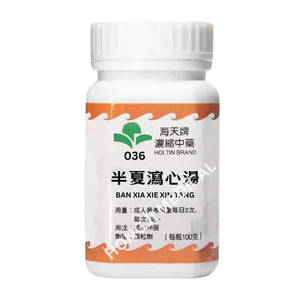
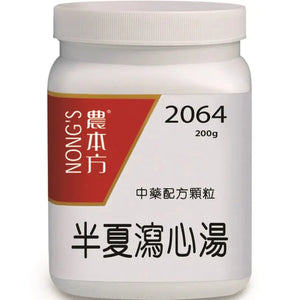
Modern concentrated granule preparations of Xiao Xianxiong Tang are also available. When using, simply dissolve in boiled water according to the recommended dosage in the product instructions. For example, some concentrated granule preparations contain appropriate amounts of Huanglian, Banxia, and Gualou Shi extracts per dose, equivalent to the therapeutic effect of the traditional dosage. This dosage form is convenient to take and especially suited to the modern fast-paced lifestyle — patients need only dissolve in boiled water without independent decoction, saving time and effort. However, when selecting concentrated granule preparations, care should be taken to choose products from manufacturers of reliable quality and good reputation, to ensure therapeutic efficacy.

Xiao Xianxiong Tang: Clearing Heat, Transforming Phlegm, Widening the Chest and Dispersing Binds, Improving Gastroesophageal Reflux, Chest Oppression and Phlegm-Heat Constraint | HJMEDICAL

IX. Precautions and Contraindications

1. Use with Caution in Those with Spleen-Stomach Deficiency-Cold

The medicinal nature of Xiao Xianxiong Tang is bitter and cold; those with spleen-stomach deficiency-cold may, after taking it, have their spleen-stomach deficiency-cold symptoms worsened, leading to stomach-region pain, diarrhoea, and poor appetite. Those with spleen-stomach deficiency-cold have insufficient yang qi within the body with internal generation of cold pathogen, and should not use excessively bitter-cold herbs lest they damage spleen-stomach yang qi. If use is necessary, appropriate combination of yang-warming and spleen-strengthening herbs should be made under medical guidance, to reduce the harm of bitter-cold herbs to the spleen and stomach.

2. Use with Caution in Pregnancy

Medication during pregnancy requires caution; the herbs within Xiao Xianxiong Tang may exert an influence on the fetus. Although no research currently clearly demonstrates that Xiao Xianxiong Tang causes fetal malformation or other adverse outcomes, to ensure fetal safety, pregnant women requiring this formula must undergo detailed physician evaluation and guidance, weighing the benefits and risks before deciding whether to use it.

3. Dietary Restrictions

During the course of taking Xiao Xianxiong Tang, spicy, greasy, and raw, cold irritating foods should be avoided. These foods may aggravate phlegm-heat pathogen within the body and affect the formula's therapeutic efficacy. Simultaneously, a light diet should be maintained, with increased consumption of vegetables and fruit, which helps recovery from the condition. For example, foods such as chilli peppers, fried foods, and ice cream should be avoided; bitter melon, winter melon, pears, and other foods with heat-clearing actions may be appropriately eaten.

Xiao Xianxiong Tang: Clearing Heat, Transforming Phlegm, Widening the Chest and Dispersing Binds, Improving Gastroesophageal Reflux, Chest Oppression and Phlegm-Heat Constraint | HJMEDICAL

X. Modern Research

1. Pharmacological Research

Xiao Xianxiong Tang is indicated for patterns including the minor chest bind pattern, minor chest bind disease, phlegm-heat binding in the chest, internal phlegm-heat binding, phlegm-heat mutual binding, phlegm-heat obstructing and blocking, and phlegm-heat internal accumulation, possessing the actions of clearing heat and transforming phlegm, rinsing away phlegm and widening the chest, opening binds and widening the chest, and raising clear and descending turbid. Patients commonly manifest as chest oppression, glomus and oppression in the chest and stomach, hardness and glomus below the heart precisely at the below-heart location, no desire for food or drink, and dizziness, with a red tongue and a yellow greasy or greasy yellow coating, and a floating slippery pulse. Within the formula, Huanglian drains heat and eliminates glomus through its bitter-cold nature, combined with Banxia, Gualou, and others; it is commonly combined clinically with Chaihu Xianxiong Tang and Wendan Tang with modifications, suited to bind-chest patterns caused by phlegm-fluid retention and obstructed qi constraint.

Modern pharmacological research has demonstrated that Huanglian within Xiao Xianxiong Tang has the actions of antibacterial and anti-inflammatory, antiviral, antiarrhythmic, and blood-glucose-lowering effects. The berberine and other constituents it contains have an inhibitory action against numerous bacteria and may be used to treat infectious diseases. Banxia has the actions of antitussive, expectorant, antiemetic, and antitumour effects. Gualou Shi has the actions of dilating the coronary arteries, increasing coronary blood flow, lowering blood lipids, and antibacterial effects. These pharmacological actions provide a modern scientific basis for the clinical application of Xiao Xianxiong Tang and have also laid a foundation for further developing its medicinal value.

2. Clinical Research

In recent years, many clinical research reports on Xiao Xianxiong Tang have appeared. Some studies have demonstrated that Xiao Xianxiong Tang has good therapeutic effects in treating digestive system disorders such as chronic gastritis, gastric ulcer, and cholecystitis. Through observation of patients' symptoms, signs, and indicators such as gastroscopy findings, it has been found that Xiao Xianxiong Tang can effectively improve symptoms such as glomus and fullness, pain, nausea, and vomiting in the stomach region, promote gastric mucosal repair, and reduce cholecystic inflammation. In the treatment of respiratory system disorders and cardiovascular system disorders, Xiao Xianxiong Tang has also shown certain advantages, providing more clinical evidence for its application in these fields.

3. Dosage Form Improvement Research

With the development of modern pharmaceutical technology, dosage form improvement research on Xiao Xianxiong Tang has been continuously ongoing. Beyond the concentrated granule form mentioned above, some researchers have also explored producing it in capsule, tablet, and other dosage forms. These new dosage forms improve drug stability and convenience of administration while preserving the formula's therapeutic efficacy. For example, capsules can mask the herb's unpleasant odour, making it easier for patients to take; tablets are easy to produce and store, suited to large-scale production and clinical application. Dosage form improvement research helps Xiao Xianxiong Tang better exert its therapeutic action and meet clinical needs.

Frequently Asked Questions (FAQ)

What are the main therapeutic actions of Xiao Xianxiong Tang?

Xiao Xianxiong Tang has the actions of clearing heat and transforming phlegm, and widening the chest and dispersing binds — commonly used for chest oppression, acid reflux, stomach-region discomfort, and a sensation of chest pressure caused by phlegm-heat mutual binding.

What modern conditions is it commonly used for?

It is commonly used as adjunctive regulation for patients with gastroesophageal reflux disease, chronic gastritis, indigestion, chest oppression and chest pain, a sensation of a foreign body in the throat, acid reflux and heartburn, and upper abdominal fullness and distension.

Is Xiao Xianxiong Tang suitable for long-term use?

This should be determined according to the degree of phlegm-heat and changes in symptoms. If symptoms persist and recur repeatedly, professional evaluation should be sought and the treatment plan adjusted.

Who is it unsuitable for?

Those with spleen-stomach deficiency-cold, exuberant cold-phlegm, cold-stomach vomiting, and pronounced qi deficiency should use it with caution. If chest pain is severe, difficulty breathing occurs, or cardiovascular disease risk factors are present, medical examination should be sought promptly.

⚠️ This content is for reference only and does not provide medical advice. Consult a healthcare professional for any health concerns.

Login

Forgot your password?

Don't have an account yet?
Create account

Xiao Xian Xiong Tang: Classic TCM Formula for Phlegm-Heat Obstructing the Chest