Fruits and seedsAstringentFructus Corni

Shan Zhu Yu (Cornus Fruit)

A practical guide to Shan Zhu Yu: what it is, how Traditional Chinese Medicine uses it, the classical formulas it appears in, and who should be careful with it.

View Herb Profile →

Last reviewed Oct 13, 2026

Quick Facts

Latin NameFructus Corni
Chinese Name & Pinyin 山茱萸 · Shan Zhu Yu
Medicinal PartFruits and seeds
The herbShan Zhu Yu is the dried, pitted flesh of Cornus officinalis. Wu Zhu Yu is a different official drug. Common forms: raw Yu Rou and wine-processed Yu Rou.
Nature and channelsSour, astringent, slightly warm. Enters the Liver and Kidney. Sour astringency secures collapse. Slight warmth tonifies Liver and Kidney.
Pharmacopoeia lineTonifies Liver and Kidney. Astringes and secures collapse. Used for dizziness and tinnitus, sore low back and knees, impotence and seminal emission, enuresis and frequent urination, flooding and leukorrhea, profuse sweat with collapse, and interior-heat wasting-thirst.
Pattern cuesDizziness and tinnitus. Sore loins and knees. Emissions and frequent urine. Flooding. Deficiency sweat. Pale tongue, or red and dry.
In this articleShan Zhu Yu versus Wu Zhu Yu, Shu Di Huang, and Jin Ying Zi. Wine-processed versus raw. Why damp-heat should not be astringed. Who should skip it.

What Is Shan Zhu Yu?

Shan Zhu Yu (山茱萸; Shān Zhū Yú; Latin: Corni Fructus; English: cornus fruit / Asiatic cornelian cherry) is the dried ripe flesh of Cornus officinalis Sieb. et Zucc. In Chinese medicine it is an astringent herb. It is sour, astringent, and slightly warm, enters the Liver and Kidney channels, and its core actions are to tonify Liver and Kidney, and to astringe and secure collapse. Common names include Yu Rou and Shan Yu Rou. It is not Wu Zhu Yu. Evodia is acrid-hot. It courses the Liver, directs qi down, dries dampness, and stops vomiting. One character apart; temperature and direction are opposite. The Shan Zhu Yu in Liu Wei Di Huang Wan is one of the “three tonifying” herbs: it tonifies Liver and Kidney and secures essence-qi.

It is used most often for three patterns:

  • Liver–Kidney deficiency — dizziness, tinnitus, sore low back and knees, impotence
  • Slippage that will not hold — seminal emission, frequent urine, flooding and leukorrhea
  • Deficiency sweating on the verge of collapse / wasting-thirst — collapse with profuse sweat belongs in urgent professional care

Raw Shan Zhu Yu astringes more strongly. Wine-processed Yu Rou leans toward warming and tonifying Liver and Kidney. The usual decoction dose is 6–12 g. Interior damp-heat and hesitant, inhibited urine are contraindications. Sour, warm, and binding. Astringe too early while the pathogen is still pouring, and the pathogen is trapped. It is not a “Kidney yu” that can swap with Wu Zhu Yu.

When Liver–Kidney essence-qi will not hold, sore loins, tinnitus, emissions, and deficiency sweat are common. Shan Zhu Yu is sour, astringent, and slightly warm. It tonifies and secures, which is why it is paired with Shu Di Huang and Shan Yao. It astringes more than it drains. Dark burning urine and a greasy sticky mouth get worse if more binding is added.

Shan Zhu Yu is not a catch-all Kidney or anti-sweat herb. In damp-heat cloudy strangury, or in blazing ministerial fire with no collapse, using it alone can trap the pathogen and assist heat. Raw or wine-processed should be decided by a licensed Chinese medicine practitioner after pattern diagnosis.

Shan Zhu Yu Cornus Fruit

Shan Zhu Yu: Materia Medica Profile

Identification & Quality Standard

Fructus Corni

Botanical Origin

The dried mature fruit of Cornus officinalis Sieb. et Zucc.(Cornaceae).

Production Regions

Primarily produced in the Chinese provinces of Henan, Zhejiang, Shaanxi.

Quality Requirements

Superior medicinal material has thick flesh, purplish-red color, strongly sour taste.

Macroscopic Features

Irregular flake-like or sac-like pieces. Externally purplish-red to purplish-black, wrinkled, lustrous. Apex has round scar of persistent calyx, base has scar of fruit stem. Soft texture. faint odor, sour, astringent, slightly bitter taste.

Origin and Quality Identification

Traditionally, the best quality comes from regions like Zhejiang, Henan, and Shaanxi provinces.

  • Appearance: High-quality Shan Zhu Yu flesh is purplish-red or purplish-black, soft, and glossy.
  • Taste: It has a distinct sour and astringent taste with a slight hint of bitterness. If the flesh is pale, hard, or lacks flavor, it may have been harvested too early or processed poorly.
  • Spotting Confusions: Be careful not to confuse it with other red fruits like hawthorn flesh or wild sour jujube flesh. The texture and taste of genuine Shan Zhu Yu are distinctly different.

Traditional Properties & Historical Lineage

Nature, Flavour & Channel Tropism

Sour, Astringent; Slightly warmLiverKidney

1. Historical Records

This herb has been highly respected in classical TCM texts for centuries:

  • Shen Nong Ben Cao Jing: Ranked it as a mid-tier herb, noting its use for clearing cold-dampness and warming the middle.
  • Ming Yi Bie Lu: Highlighted its ability to strengthen Yin, boost essence, and regulate urination.
  • Ben Cao Gang Mu: Summarized its core function as tonifying the Liver and Kidneys, astringing essence, and preventing physical collapse (profound weakness).
  • Zhong Hua Ben Cao: Records its modern traditional use for dizziness, lower back pain, and knee weakness caused by Liver and Kidney deficiency.

2. Evolution of TCM Understanding

Over the centuries, the understanding of Shan Zhu Yu evolved:

  • Early Focus: Tang dynasty doctors often used it to dispel cold and dampness for joint pain.
  • Later Focus: By the Song and Ming dynasties, the focus shifted heavily to its ability to tonify the Liver/Kidneys and stop "leaks" (like frequent urination or nocturnal emissions).
  • Modern Boundaries: Qing dynasty doctors further clarified its uses for excessive sweating and bleeding, while clearly stating that it should not be used in large amounts by people with "Damp-Heat" constitutions.

Shan Zhu Yu Cornus Fruit

Core Efficacies & Traditional Applications

Traditional Functions

Supplements liver and kidney, astringes essence, secures desertion. Apply to vertigo and tinnitus, cold pain of waist and knees, impotence and seminal emission, anischuria and urinary frequency, metrorrhagia and metrostaxia, exhaustion due to excessive perspiration, feverish dysphoria and diabetes.

1. Primary Focus: Astringing and Securing Essence

  • Traditional Function: The primary role of Shan Zhu Yu (Asiatic Cornelian Cherry Fruit) is to "astringe and secure," which means preventing the body's vital essence and Qi from leaking out. In TCM, holding onto this vital energy is crucial for maintaining normal physical functions.
  • Target Symptoms: It is heavily used for signs that the Liver and Kidneys cannot "hold" energy: excessive daytime or night sweating (even with mild activity), frequent nocturnal emissions or spermatorrhea, frequent urination (especially at night), loss of bladder control, or clear and excessive vaginal discharge.
  • Common Pairings:
    • For excessive sweating: Paired with Qi-boosting herbs like Huang Qi (Astragalus Root) and Bai Zhu (Atractylodes Rhizome).
    • For emissions: Combined with Tu Si Zi (Dodder Seed) and Wu Wei Zi (Schisandra Fruit).
    • For frequent urination: Paired with Yi Zhi Ren (Sharpleaf Galangal Fruit) and Sang Piao Xiao (Mantis Egg Case).
  • When to Avoid: Do not use it if your sweating is caused by "Damp-Heat" (accompanied by a bitter taste, sticky stools, or a thick greasy tongue coating) or an active cold/flu. Astringent herbs can lock the "heat" or "sickness" inside the body. Avoid it if you have active inflammation, like mouth ulcers or a sore throat.

2. Secondary Focus: Tonifying the Liver and Kidneys

  • Traditional Function: It gently nourishes the essence of the Liver and Kidneys. In TCM, these organs govern bone strength, energy levels, and hearing. Tonifying them helps restore the body's deep reserves.
  • Target Symptoms: Used for lower back and knee weakness, dizziness, heavy-headedness, dry eyes, tinnitus (ringing in the ears), chronic fatigue, poor memory, or scanty/pale menstrual flow.
  • Common Pairings:
    • For lower back pain and dizziness: Paired with Shu Di (Prepared Rehmannia Root) and Gou Qi Zi (Goji Berry).
    • For ringing in the ears: Combined with Ci Shi (Magnetite) and Wu Wei Zi (Schisandra Fruit).
    • For scanty periods: Paired with blood-nourishing herbs like Dang Gui (Angelica Root) and Bai Shao (White Peony Root).
  • When to Avoid: Avoid using it for indigestion caused by Spleen and Stomach Damp-Heat (frequent bloating, bitter taste). Do not use it during the late stages of a cold if you still have a low fever or cough, or if you suffer from severe constipation, as its astringent nature can make constipation worse.

3. Common Herb Pairings: The Synergistic Duo

A classic TCM pairing is Shan Zhu Yu with Shu Di (Prepared Rehmannia Root). Shu Di is a master at deeply nourishing Liver and Kidney Yin (the bodily fluids and essence). Shan Zhu Yu boosts this nourishing effect while adding its "locking" ability to prevent that newly built essence from leaking away. Together, they are a perfect team for treating lower back weakness, dizziness, and nocturnal emissions. Note: This powerful combination should be prescribed by a practitioner and is not suited for those with Damp-Heat or unresolved colds.

Shan Zhu Yu Cornus Fruit

Modern Research

Modern research offers useful context, but Traditional Chinese Medicine prescribes on whole-pattern diagnosis rather than isolated compounds.

1. Main Chemical Components

Modern chemical analysis shows that Shan Zhu Yu (Asiatic Cornelian Cherry Fruit) contains iridoid glycosides (like loganin), triterpenoids (like ursolic acid), flavonoids, and organic acids.

  • While lab tests show these compounds interact with certain cell models, it is important to remember that test-tube results do not automatically equal clinical results in humans.

2. Modern Pharmacological Focus

Current scientific research mostly explores a few key areas:

  • Organ Protection: Animal models suggest the extracts might offer some protective effects to liver and kidney tissues.
  • Immune Regulation: Test-tube studies indicate potential influences on immune cell activity.
  • Metabolic Effects: Some animal studies show a trend toward regulating blood sugar and lipids, though more human trials are needed.

3. Limitations of Modern Research

When reading about modern scientific studies on traditional herbs, keep these limitations in mind:

  • Animals Aren't Humans: Promising results in lab mice do not directly translate to the exact same healing effects in humans.
  • Format Differences: Lab researchers usually use highly purified extracts or single isolated compounds. This is completely different in dosage and function from drinking a traditionally brewed herbal decoction of whole Shan Zhu Yu.
  • Holistic Synergy: In TCM, the healing power comes from the complex interaction of the whole plant. Judging the herb based on a single isolated chemical misses the holistic picture.

Shan Zhu Yu Cornus Fruit

Comparing Similar Herbs

1. Shared Traits

Both Shan Zhu Yu (Asiatic Cornelian Cherry Fruit) and Wu Wei Zi (Schisandra Fruit) are excellent astringent herbs. Both are used to treat excessive sweating and nocturnal emissions by preventing the loss of vital energy. Both must be used carefully to avoid "trapping" pathogens in the body.

2. Core Differences

  • Nature and Flavor: Shan Zhu Yu is neutral, making it safe for a wide variety of body types. Wu Wei Zi is warm, making it better suited for cold constitutions but riskier for those prone to internal heat.
  • Core Strength: Shan Zhu Yu focuses on tonifying the Liver and Kidneys while securing essence. Wu Wei Zi focuses heavily on astringing the Lungs (for chronic coughs) and calming the Heart (for anxiety and insomnia).
  • Target Symptoms: Shan Zhu Yu is your go-to for lower back weakness, dizziness, and Kidney-related "leaks." Wu Wei Zi is better for chronic wheezing/coughing, excessive sweating, and sleep issues.
  • Contraindications: Both should be avoided during active infections or Damp-Heat. Wu Wei Zi should especially be avoided during the early stages of a cough or measles.

3. A One-Sentence Summary

Shan Zhu Yu is a neutral herb that nourishes the Liver/Kidneys and secures essence, while Wu Wei Zi is a warm herb that astringes the Lungs and calms the mind.

Shan Zhu Yu Cornus Fruit

Classical Formulas Containing Shan Zhu Yu

+7 more

Formulas vs. Single Herbs

  • Synergy is Key: A formula is a balanced team. The healing power comes from how the herbs interact, so a single herb cannot simply replicate a full formula's effects.
  • Holistic Balance: The exact dosage and combination in a formula affect the entire body. Never try to mix or alter these formulas at home based on internet articles.

Diet & Daily Home Use

1. Home Herbal Porridge and Teas

  • Shan Zhu Yu and Goji Tea:
    • Ingredients: 3g Shan Zhu Yu, 5g Gou Qi Zi (Goji Berry), 2 red dates.
    • Method: Rinse, place in a cup, and steep with boiling water for 10–15 minutes.
    • Best For: Daily support for Liver and Kidney weakness (mild lower back ache, occasional dizziness, mild sweating). Great for spring and autumn.
    • Not For: People with Damp-Heat, constipation, or an active cold/flu. Drink 2–3 times a week; do not drink continuously long-term.
  • Shan Zhu Yu and Millet Porridge:
    • Ingredients: 5g Shan Zhu Yu, 50g millet, 3 longan arils.
    • Method: Boil the millet for 20 minutes, add the herbs, and simmer for another 10 minutes until soft.
    • Best For: Poor appetite and low energy due to weak digestion and Kidneys. Excellent for autumn and winter.
    • Not For: People with a thick greasy tongue coating, Damp-Heat, or diabetes (due to the sugar in longan and carbs in millet). Eat 1–2 times a week.

2. Brewing and Processing Differences

Raw Shan Zhu Yu is best for its astringent properties (stopping sweat and emissions). The wine-processed version, Jiu Yu Rou, is much better for tonifying the Liver and Kidneys (treating lower back and knee pain). When cooking at home, you can simply toss the herb into your pot. Always remember: culinary doses are much smaller than clinical doses.

3. Dosage and Usage Cycle

Clinical doses generally range from 6–12g. For home dietary use, stick to 3–5g. Dietary use is for gentle, low-risk maintenance, not for curing acute illnesses. Do not use it continuously for more than 2 weeks. Take a 1-week break before resuming. Pregnant women, nursing mothers, children, and the elderly should consult a doctor before use.

Shan Zhu Yu Cornus Fruit

Contraindications & Safety Warnings

1. Who Should Avoid It

  • Damp-Heat Constitutions: Avoid if you feel heavy, have a bitter taste in your mouth, a thick greasy tongue coating, or sticky stools.
  • Active Infections: Do not use if you have a cold, flu, fever, or cough, as it will trap the sickness inside.
  • Special Populations: Pregnant/nursing women, children, and the elderly must consult a doctor first. People with liver or kidney impairment or allergies to dogwood plants should avoid it.

2. Drug Interactions and Dietary Notes

Because of its astringent nature, Shan Zhu Yu may interfere with the absorption of anticoagulant medications (like Warfarin). Its tonifying effects might also influence blood pressure or blood sugar levels, so patients on antihypertensives or diabetes medications need to monitor their levels closely. If combined with sedatives, it may increase drowsiness. Always consult your doctor or pharmacist before combining herbs with prescription drugs.

3. Adverse Reactions and Overdose Risks

When used at normal doses, side effects are rare. Overdose can cause "Internal Heat" symptoms like mouth sores, sore throat, constipation, or stomach upset/nausea. If you experience allergic reactions (rash, itching), persistent vomiting, or difficulty breathing, stop use immediately and seek medical attention. Do not self-treat severe reactions.

Frequently Asked Questions About Shan Zhu Yu

What is Shan Zhu Yu? Are Yu Rou, Jiu Yu Rou and Wu Zhu Yu the same?
Official Shan Zhu Yu (山茱萸) is the dried ripe sarcocarp of Cornus officinalis. The pharmacopoeial name is Corni Fructus, habitually called Yu Rou, Zao Pi or Shan Yu Rou. Use the flesh after removing the pit. Jiu Yu Rou is wine-stewed or wine-steamed: warmer supplementation, less sour. Wu Zhu Yu is the nearly ripe fruit of Evodia: acrid-bitter-hot and slightly toxic, disperses cold to stop pain and directs rebellion downward to stop vomit—one character apart, wholly different source and action. Write Shan Zhu Yu or Jiu Yu Rou; do not dispense Wu Zhu Yu.
What are the TCM properties and traditional uses of Shan Zhu Yu?
According to the Chinese Pharmacopoeia, Shan Zhu Yu is sour, astringent and slightly warm, enters the Liver and Kidney channels, and acts to supplement and benefit Liver and Kidney, and astringe to secure collapse. It is used for dizziness and tinnitus, lumbar-knee aching, impotence and emission, enuresis and urinary frequency, flooding and spotting or vaginal discharge, profuse sweating with collapse, and interior-heat wasting-thirst. Sour-astringent and slightly warm, it supplements while astringing—suited to Liver-Kidney insufficiency and insecure slippage, not to blazing life-gate fire, damp-heat strangury or inhibited urination.
How do you choose raw versus wine-processed Yu Rou? Must the pit be removed?
Securing essence, reducing urination and stopping sweat to secure collapse more often use raw Yu Rou; dizziness, cold lumbar pain, impotence and frequency more often use Jiu Yu Rou. The pit must be removed; the stone is not the official drug. Decoct as usual. Do not mix it with Wu Zhu Yu.
What is the usual dosage? Can it be drunk daily as a Kidney tea?
The pharmacopoeial decoction dose is 6–12 g; securing collapse and stopping sweat may briefly reach 30–60 g under supervision. It is not a four-season “cornus Kidney tea.” Damp-heat painful strangury and inhibited urination only stagnate further when astringed. Liver-Kidney slippage needs a practitioner to name raw or wine-processed and a course.
What are the contraindications? Can it be used in pregnancy?
Forbid in blazing life-gate fire, habitual damp-heat, and painful inhibited urination. Sour astringency is wrong without insecure vacuity. Pregnancy data are limited—only under assessment; damp-heat fetal stirring should not be astringed. Stop if burning painful urination appears.
Can Shan Zhu Yu supplement Liver-Kidney, secure essence and stop sweat?
It can help Liver-Kidney insufficiency and slippage. Kidney-Yin vacuity joins prepared rehmannia, Chinese yam, Poria, Alisma and Moutan in Liu Wei Di Huang Wan. Kidney-Yang vacuity joins aconite, cinnamon bark, prepared rehmannia and Chinese yam in Jin Gui Shen Qi Wan. Profuse sweating with collapse joins ginseng, aconite, dragon bone and oyster shell in Zhang Xichun’s Lai Fu Tang. It supplements while astringing—not a specific for every impotence, every night sweat or every flooding. Shock with profuse sweat and heavy vaginal bleeding are emergencies.
Can Shan Zhu Yu be drunk daily as an anti-aging, anti-sweat or essence-securing tea?
Liver-Kidney vacuity that fails to secure may enter a short formula; damp-heat and blazing fire only suffer more when astringed. “Cornus anti-ages and secures essence” does not replace endocrinology and urology. Supplementing and astringing should name Shan Zhu Yu (not Wu Zhu Yu) and a 6–12 g dose.
How do you choose among Shan Zhu Yu, Wu Zhu Yu, Shu Di, Shan Yao and Wu Wei Zi?
Cornus is sour-astringent and slightly warm: supplements Liver-Kidney and astringes to secure collapse—supplements while binding. Evodia is acrid-bitter-hot and slightly toxic: disperses cold to stop pain, directs rebellion downward to stop vomit and assists Yang to stop diarrhea—for cold hernia headache, acid regurgitation and diarrhea, not to fill essence. Prepared rehmannia is sweet and slightly warm: enriches Yin, supplements Blood and fills essence—cloaking, not astringent. Chinese yam is sweet-neutral: supplements Spleen, Lung and Kidney and astringes essence to stop diarrhea—both Qi and Yin. Schisandra is sour-sweet-warm: constrains the Lung, enriches the Kidney, generates fluid, constrains sweat, astringes essence and calms the Heart—enters all five zang. Vacuity that fails to secure favors Shan Zhu Yu, Wu Wei Zi and Shan Yao; large Yin-Blood depletion favors Shu Di; cold binding with vomit and diarrhea favors Wu Zhu Yu. They may be paired; all are wrong as pure sour astringency in damp-heat strangury, and Shan Zhu Yu must not be called the same “Zhu Yu” as Wu Zhu Yu.
Which herbs is Shan Zhu Yu combined with? What are the representative formulas?
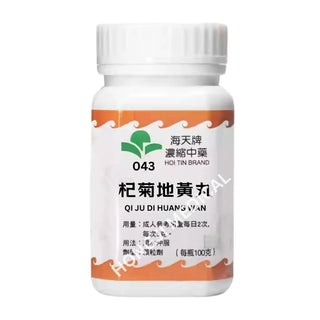
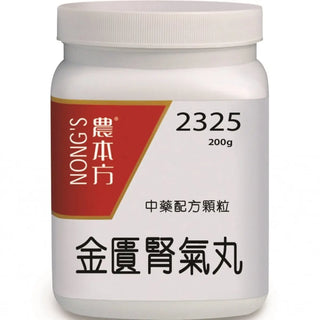
Liver-Kidney Yin vacuity joins prepared rehmannia, Chinese yam, Moutan, Poria and Alisma in Liu Wei Di Huang Wan. Kidney-Yang insufficiency adds aconite and cinnamon bark in Jin Gui Shen Qi Wan. Profuse sweating with collapse joins ginseng, aconite, dragon bone and oyster shell in Lai Fu Tang. Write Shan Zhu Yu or Jiu Yu Rou, pit removed; do not dispense Wu Zhu Yu.
How do you choose and store Shan Zhu Yu?
Choose plump flesh, purple-red to purple-black, glossy, pit-free or nearly so, sour-astringent and slightly bitter. Withered, pit-heavy, moldy, moth-eaten and sour-spoiled lots are discarded. Store dry against moths. Buy pharmacopoeial Shan Zhu Yu or Jiu Yu Rou; do not replace supplementing the Kidney and securing collapse with an equal weight of Wu Zhu Yu or pitted-poor material.

Medical Disclaimer — This article is provided for educational purposes only and describes traditional Chinese medicine concepts. It is not medical advice, and it is not intended to diagnose, treat, cure or prevent any disease. Always consult a qualified practitioner before using any herb, particularly if you are pregnant, nursing, taking medication or managing a diagnosed condition.

More Chinese Herbs

Login

Forgot your password?

Don't have an account yet?
Create account

Shan Zhu Yu (Cornus Fruit): Tonify Liver and Kidney and Astringe to Secure Collapse