MineralsMind-calmingOs Draconis

Long Gu (Dragon Bone / Fossilized Bone)

A practical guide to Long Gu: what it is, how Traditional Chinese Medicine uses it, the classical formulas it appears in, and who should be careful with it.

View Herb Profile →

Last reviewed Sep 25, 2026

Quick Facts

Latin NameOs Draconis
Chinese Name & Pinyin 龍骨 · Long Gu
Medicinal PartMinerals
The herbLong Gu is fossilized mammalian bone. Related items include Long Chi and Mu Li. Common forms: raw and calcined. Use legal prepared pieces.
Nature and channelsSweet, astringent, neutral. Enters the Heart, Liver, and Kidney. Sweetness harmonizes. Astringency secures. Heaviness settles and subdues.
Actions and indicationsSettles fright and calms the spirit. Calms the Liver and subdues yang. Astringes and secures. Used for restlessness, palpitations and insomnia, fright epilepsy and mania, Liver-yang dizziness, seminal emission and flooding, leukorrhea and deficiency sweat, and lingering diarrhea.
Pattern cuesFright palpitations and insomnia. Dizziness. Emissions. Deficiency sweat. Lingering diarrhea. Floating or weak pulse.
In this articleRaw versus calcined Long Gu. How it differs from Mu Li, Long Chi, and Suan Zao Ren. Why it is decocted first. Why damp-heat should not be astringed early. Who should skip it.

What Is Long Gu?

Long Gu (龙骨; Lóng Gǔ; Latin: often Fossilia Ossis Mastodi / Os Draconis; English: fossil bone / dragon bone) is the fossilized bone of ancient mammals. In Chinese medicine it is a spirit-calming, Liver-settling, astringent herb. It is sweet, astringent, and neutral, enters the Heart, Liver, and Kidney channels, and its core actions are to settle fright and calm the spirit, calm the Liver and subdue yang, and astringe and secure slippage. It is not Long Dan Cao. Gentian is bitter-cold and drains Liver fire. Long Gu is heavy, settling, sweet, and astringent. It is not Mu Li (oyster shell), which also softens hardness and checks acid. Long Gu more strongly calms the spirit and astringes. Long Chi is fossilized tooth and leans even more toward settling fright. Use only legally sourced, prepared pieces. Do not dig fossils for medicine.

It is used most often for three patterns:

  • Unsettled Heart spirit — palpitations, insomnia, fright epilepsy, restlessness
  • Ascendant Liver yang — dizziness and vertigo
  • Slippage that will not hold — seminal emission, flooding, leukorrhea, deficiency sweating, lingering diarrhea

Raw Long Gu is heavier and leans toward settling fright and calming the Liver. Calcined Long Gu is more astringent and leans toward securing slippage. The usual decoction dose is 15–30 g, decocted first. Interior damp-heat, or an excess pathogen not yet cleared, should not be astringed early. Fossil bone is not a daily “spirit stone” to suck on.

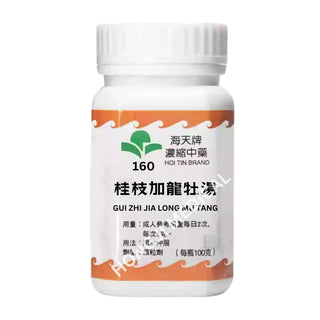
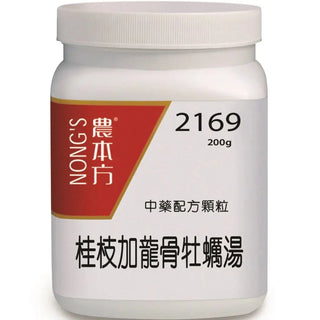
When the spirit floats or essence will not hold, insomnia, palpitations, sweating, and emissions are common. Long Gu is sweet, astringent, and heavy. It settles, subdues, and secures, which is why it is often paired with Mu Li and appears in Gui Zhi Jia Long Gu Mu Li Tang and Chai Hu Jia Long Gu Mu Li Tang. It settles and astringes more than it drains. Phlegm-heat harassing the Heart, or damp-heat diarrhea still pouring, gets worse if more astringency is added.

Long Gu is not a catch-all for insomnia or sweating. When phlegm-heat harasses the Heart, or damp-heat diarrhea is still active, using it alone can trap the pathogen. Raw or calcined should be decided by a licensed Chinese medicine practitioner after pattern diagnosis, using legally sourced pieces.

Long Gu Dragon Bone

Long Gu: Materia Medica Profile

Identification & Quality Standard

Os Draconis

Botanical Origin

The fossilized bone of ancient large mammals (Os Draconis), mainly calcium carbonate and phosphate.

Production Regions

Primarily produced in the Chinese provinces of Shanxi, Henan, Hebei and Inner Mongolia.

Quality Requirements

Superior medicinal material is hard, white, and adhesive to the tongue, without sandy grit.

Macroscopic Features

Irregular bone fragments, greyish-white to yellowish-white, with a layered texture; sucks the tongue when licked; heavy.

Sourcing and Quality Identification

Historically, the most highly regarded Long Gu (Dragon Bone) comes from regions like Henan, Hebei, and Shanxi in China. However, the actual quality heavily depends on the specific fossil type, processing methods, and storage.

  • Appearance: High-quality authentic pieces appear as irregular blocks in grayish-white, pale yellow, or light brown. They have distinct, natural textures and a layered or granular cross-section. They should be odorless.
  • Raw vs. Calcined: The raw version is brittle with a somewhat loose cross-section. The calcined version, having been fired, is much crispier, finer in texture, and leans more toward a grayish-white color.
  • Spotting Fakes: Counterfeits are often made from modern animal bones. These usually lack the natural fossilized layers, have an artificially uniform texture, and do not possess the distinct granular break of true ancient fossils.

Traditional Properties & Historical Lineage

Nature, Flavour & Channel Tropism

Sweet, Astringent; Slightly coldHeartLiverKidney

1. Historical Records

This unique mineral-like herb has been highly praised in ancient Chinese medical texts for centuries:

  • Shen Nong Ben Cao Jing (The Divine Farmer's Materia Medica) ranked it as a top-grade substance, noting its use for calming the spirit, resolving chronic coughs, and addressing severe digestive fluid loss.
  • Ming Yi Bie Lu (Miscellaneous Records of Famous Physicians) expanded on its ability to stop night sweats, calm night terrors, soothe anger, and secure bodily fluids.
  • Ben Cao Gang Mu (Compendium of Materia Medica) highlighted its benefits for nourishing the kidneys, stopping chronic diarrhea, and promoting tissue healing.
  • De Pei Ben Cao highlighted its synergy with other herbs, such as pairing it with Suan Zao Ren (Spine Date Seed) for insomnia or with Mu Li (Oyster Shell) to stop excessive sweating and fluid leakage.

2. Evolution of Medicinal Understanding

Over the centuries, different TCM practitioners have highlighted different facets of Long Gu (Dragon Bone). Some focus on its astringent properties for treating conditions of "leakage" (like heavy sweating or chronic loose stools), while others emphasize its heavy, grounding nature to treat a restless, agitated mind.

TCM doctors also adjust its use based on a patient's unique constitution. For example, if a patient has excessive internal "Heat," a doctor will pair it with cooling herbs so the astringent nature of the bone doesn't trap the heat inside the body. This highlights a core TCM principle: Long Gu is not a standalone cure-all, but a specialized tool that requires careful, individualized diagnostic pairing.

Long Gu Dragon Bone

Core Efficacies & Traditional Applications

Traditional Functions

Settles the spirit, calms the liver, and astringes leakage. Apply to palpitations, insomnia, seminal emission, sweating, and floating yang.

1. Primary Focus: Heavily Settling and Calming the Spirit

  • Traditional Function: Long Gu (Dragon Bone) is highly valued for its heavy, descending nature, which is used to settle the mind and relieve restlessness.
  • Common Indications: It is traditionally used for an unsettled spirit, heart palpitations, insomnia with vivid dreams, emotional irritability, and feeling easily startled or anxious.
  • Common Pairings: For enhancing sleep and calmness, it is frequently paired with herbs like Suan Zao Ren (Spine Date Seed), Bai Zi Ren (Arborvitae Seed), or Yuan Zhi (Polygala Root). If emotional stagnation or frustration is present, it might be combined with Qi-regulating herbs like Chai Hu (Bupleurum Root) or Yu Jin (Curcuma Root).
  • When to Avoid: Do not use this herb on your own if your restlessness is caused by an active external illness (like a fever or cold) or if you have internal "Excess Heat" or "Phlegm-Dampness." Its strong astringent nature can trap these pathogens inside the body, worsening discomfort.

2. Secondary Focus: Astringing and Preventing Leakage

  • Traditional Function: It has a strong "astringent" effect, meaning it helps the body hold onto essential fluids and energy, preventing them from slipping away.
  • Common Indications: It is used for conditions characterized by excessive leakage, such as spontaneous sweating, night sweats, nocturnal emissions, chronic diarrhea, or excessive vaginal discharge.
  • Common Pairings: For excessive sweating, it is often paired with Mu Li (Oyster Shell) and Fu Xiao Mai (Floating Wheat). For nocturnal emissions, it works well with Sha Yuan Zi (Flatstem Astragalus Seed). For chronic diarrhea or spotting, it is combined with herbs like Xian He Cao (Agrimony).
  • When to Avoid: If your diarrhea or discharge is caused by "Damp-Heat," or if you have an unresolved external cold, avoid using this herb to prevent trapping the sickness inside.

3. Common Herb Pairings

A classic and powerful pairing in TCM is Long Gu (Dragon Bone) with Mu Li (Oyster Shell). Both have the ability to heavily settle the spirit and astringe bodily fluids. When used together, their effects are mutually enhanced, making them an excellent combination for severe restlessness, insomnia, heavy sweating, or fluid leakage. However, this combination requires a practitioner to adjust the dosage based on your specific constitution and should not be mixed casually at home.

Long Gu Dragon Bone

Modern Research

Modern research offers useful context, but Traditional Chinese Medicine prescribes on whole-pattern diagnosis rather than isolated compounds.

1. Main Chemical Components

Modern chemical analysis reveals that Long Gu (Dragon Bone) is primarily composed of calcium carbonate and calcium phosphate, alongside trace minerals like iron, potassium, and sodium.

  • Lab Observations: In test-tube environments, certain components exhibit ion-exchange capabilities.
  • Animal Studies: Some animal studies suggest its extracts may have a mild sedative effect on the nervous system. However, these basic scientific observations cannot be directly translated into guaranteed clinical outcomes for humans.

2. Modern Pharmacological Research Directions

Today, researchers are mainly focused on understanding the scientific basis behind its traditional calming and astringent effects.

  • Studies are investigating how its mineral composition might influence nerve excitability.
  • Research also compares the raw and calcined (heated) forms, noting that the calcination process changes the solubility of its active minerals. Still, more clinical trials are needed to see how this specifically impacts human health.

3. Limitations of Modern Research

While modern science provides interesting context, it has several limitations when evaluating traditional herbs:

  • Lab Results vs. Real Life: Success in a petri dish or an animal model does not guarantee the same result in the human body.
  • Extracts vs. Whole Herbs: Modern studies often use highly concentrated extracts or isolated single compounds. This is vastly different from a traditional TCM water decoction, meaning the dosages and effects don't directly match up.
  • Inconsistent Variables: Different studies use different preparation methods and dosages, making it hard to create a unified scientific consensus.
  • The Synergy Factor: TCM relies on the complex interaction of hundreds of natural compounds working together. Trying to judge the efficacy of Long Gu (Dragon Bone) based on a single isolated mineral often misses the holistic picture of how the whole herb functions.
Long Gu Dragon Bone

Comparing Similar Herbs

1. Shared Traits with Similar Herbs

Long Gu (Dragon Bone) is most frequently compared with Mu Li (Oyster Shell).

  • Both act to heavily calm the spirit and astringe fluid leakage (like sweating or emissions).
  • Both are staple ingredients in calming and stabilizing herbal formulas.
  • Both require careful consideration of a patient's constitution and should not be used arbitrarily.

2. Core Differences

  • Nature and Properties: Long Gu is neutral in temperature, while Mu Li is slightly cold. This means Mu Li is better suited for individuals showing mild signs of heat.
  • Core Strengths: Long Gu excels primarily at heavily settling a startled or anxious mind. Mu Li, in addition to calming and astringing, has a unique ability to soften hard nodules (such as swollen lymph nodes or lumps).
  • Action Direction: Long Gu purely focuses on "pulling in" and settling energy downwards. Mu Li also descends energy but adds a "softening" action, which is why it is also used to neutralize excess stomach acid.
  • Contraindications: Long Gu is contraindicated when external pathogens (like a cold) are active. Because Mu Li is slightly cold, people with a weak, cold digestive system must use it with caution to avoid stomach upset.

3. A One-Sentence Summary

Long Gu (Dragon Bone) is specialized for firmly settling an anxious mind and stopping fluid leakage, whereas Mu Li (Oyster Shell) offers similar calming benefits but adds the ability to soften nodules and clear mild heat.

Long Gu Dragon Bone

Classical Formulas Containing Long Gu

+2 more

Formulas vs. Single Herbs

  • Synergy is Key: A formula is a balanced team. The healing power comes from how the herbs interact, so a single herb cannot simply replicate a full formula's effects.
  • Holistic Balance: The exact dosage and combination in a formula affect the entire body. Never try to mix or alter these formulas at home based on internet articles.

Diet & Daily Home Use

1. Home Herbal Teas and Meals

  • Long Gu and Wheat Porridge
    • Ingredients: 15g Sheng Long Gu (Raw Dragon Bone), 30g Fu Xiao Mai (Floating Wheat), 50g rice.
    • Method: Wrap the raw bone pieces tightly in a cheesecloth bag. Boil the bag in water for 30 minutes, then remove it. Use the remaining herbal liquid to cook the wheat and rice into a mild porridge.
    • Best For: Mild restlessness or slight excessive sweating as a gentle dietary support.
    • Not For: People with active colds, constipation, or Damp-Heat.
    • Frequency: Limit to 1–2 times a week. Remember, this is a medicinal substance, not a daily grocery item.

2. Processing Differences and Brewing

  • Raw vs. Calcined: Sheng Long Gu (Raw Dragon Bone) is generally preferred for settling the mind and calming anxiety. Duan Long Gu (Calcined Dragon Bone) is favored for its stronger astringent properties to stop sweating or diarrhea.
  • Brewing Preparation: Because it is a dense fossil, it requires pre-decocting. When brewing at home, you must boil it for 20–30 minutes before adding any other herbs to allow its active components to extract properly.

3. Dosage and Usage Cycle

  • Dosage: In traditional clinical settings, doses usually range from 10g to 15g. For home dietary use, amounts should remain small and gentle.
  • Cycle: This herb is not intended for continuous, long-term use. If you require long-term management for sleep or sweating issues, consult a professional to adjust your regimen safely.
Long Gu Dragon Bone

Contraindications & Safety Warnings

1. Who Should Avoid It

  • Damp-Heat and Phlegm: Individuals with thick phlegm, internal damp-heat, or heavy congestion should avoid it, as it can trap these symptoms in the body.
  • Special Populations: Pregnant and nursing women should avoid self-administering due to a lack of safety data. Children and the elderly require a doctor's guidance.
  • Organ Dysfunction: People with liver or kidney issues should use it cautiously to avoid extra metabolic strain.
  • Active Treatments: Anyone on blood thinners or psychiatric medications must consult a doctor first.

2. Drug Interactions and Dietary Notes

  • Medication Interactions: Long Gu (Dragon Bone) may interact with blood thinners, blood pressure medications, diabetes drugs, and sedatives, potentially altering how these drugs are absorbed.
  • General Rule: Always consult your doctor or pharmacist if you are taking prescription medications before adding herbal supplements to your routine.

3. Adverse Reactions and Overdose Risks

  • Digestive Upset: Using too much, or using it with the wrong constitution, can lead to mild stomach discomfort or constipation.
  • When to Seek Help: If you experience any allergic reactions, continuous vomiting, difficulty breathing, altered consciousness, or a rapid worsening of your symptoms, stop using it immediately and seek emergency medical care.

Frequently Asked Questions About Long Gu

What is Long Gu? Are Wu Hua Long Gu, Duan Long Gu and Mu Li the same?
Official Long Gu (龙骨) is the fossilized bone of ancient mammals such as Hipparion, rhinoceros, deer, cattle and elephant (or fossil ivory). The usual Latin name is Fossilia Ossis Mastodi—not a mythical dragon. Wu Hua Long Gu is the high-grade lot with glazed colored banding, layers and a strong tongue-adhering quality. Duan Long Gu is calcined until red-through, stronger to astringe and generate flesh. Mu Li is oyster shell: salty and slightly cold, calms the Liver and anchors Yang, softens hardness and binds—often paired with Long Gu. Write raw or calcined Long Gu, crush it and decoct first.
What are the TCM properties and traditional uses of Long Gu?
Tradition records Long Gu as sweet, astringent and neutral (raw use is sometimes called slightly cold), entering the Heart, Liver and Kidney channels, acting to settle fright and calm the spirit, calm the Liver and anchor Yang, and astringe and secure. Calcined it also astringes damp and closes sores. It is used for palpitations and insomnia, fright-wind and mania, Liver-Yang dizziness, spontaneous and night sweating, emission and flooding discharge, chronic diarrhea, and sores that will not close. Heavy and descending—suited to floating deficient Yang and insecurity with leakage, not to damp-heat accumulation or uncleared excess pathogen.
How do you choose raw versus calcined Long Gu? Why decoct first?
Raw Long Gu is stronger to settle fright, calm the spirit and anchor Liver Yang—insomnia, seizures and dizziness favor it. Calcined Long Gu is stronger to astringe, secure and generate flesh—sweating, emission, flooding, chronic diarrhea and unhealing sores favor it. The mineral fossil is dense and poorly soluble, so it must be crushed and decocted first for 20–30 minutes before the rest. Calcined powder may be dusted on sores. Lots that do not adhere to the tongue and that smoke and stink when burned are not medicinal.
What is the usual dosage? Can it be steeped daily to calm the spirit?
The usual decoction is 15–30 g, crushed and decocted first. It is not a daily “calcium spirit tea.” Damp-heat accumulation, constipation and distention grow more trapped. Insomnia and Liver Yang may join oyster shell and sour jujube seed for a short course, with raw or calcined named by a practitioner.
What are the contraindications? Can it be used in pregnancy?
Use caution or avoid in damp-heat accumulation and when excess pathogen is uncleared. Astringency can trap a pathogen. Classics say it fears gypsum and combines well with ginseng and bovine bezoar. Pregnancy is not an absolute ban, but a heavy settling astringent needs a practitioner. It may interact with tetracyclines and some cardiac glycosides—tell the physician. Stop if epigastric fullness, constipation or damp-heat discharge worsens.
Can Long Gu calm the spirit, settle the Liver and stop sweat and emission?
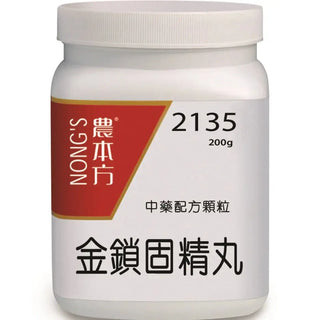
It can help. Deficiency taxation with emission and sweating joins cinnamon twig, white peony and oyster shell in Gui Zhi Jia Long Gu Mu Li Tang. Kidney-deficiency emission joins Euryale, lotus seed and flatstem milkvetch seed in Jin Suo Gu Jing Wan. Liver-Yang dizziness is often paired with oyster shell. It settles floating Yang and leakage—not a specific for every insomnia, every hypertension or every premature ejaculation. Seizures and major hemorrhage are emergencies.
Can Long Gu be taken daily as calcium, a sleep aid or an aphrodisiac?
Do not treat fossil calcium salts as a nutrient calcium pill or an aphrodisiac. Raw use settles and anchors; calcined use binds—both need a short, patterned course. “Dragon bone as calcium and sleep aid” does not replace osteoporosis and sleep-medicine care. Source must be legal medicinal fossil; do not privately dig heritage oracle-bones or anonymous modern animal bone.
How do you choose among Long Gu, Mu Li, Ci Shi, Suan Zao Ren and Jin Ying Zi?
Fossil bone is sweet-astringent-neutral: settles fright, calms the spirit, anchors Liver Yang and binds. Oyster shell is salty and slightly cold: calms the Liver and anchors Yang, softens hardness and binds—the two are often paired. Magnetite is acrid-salty-cold: settles fright, anchors Yang, sharpens hearing and vision and grasps Qi to calm wheezing, even heavier. Sour jujube seed is sweet-sour-neutral: nourishes Heart and Liver, calms the spirit and constrains sweat—tonifying and binding. Cherokee rose is sour-astringent-neutral: secures essence, reduces urine and binds intestine and discharge—pure bind with little settling. Fright-palpitation and dizziness favor raw Long Gu and Mu Li; pure leakage favors calcined Long Gu and Jin Ying Zi. They may be paired; all are wrong as pure binding while damp-heat accumulates.
Which herbs is Long Gu combined with? What are the representative formulas?
Floating deficient Yang with emission and sweating joins cinnamon twig, white peony, fresh ginger, jujube and oyster shell in Gui Zhi Jia Long Gu Mu Li Tang. Kidney-deficiency insecurity joins flatstem milkvetch seed, Euryale, lotus seed and oyster shell in Jin Suo Gu Jing Wan. Ascendant Liver Yang is often paired with oyster shell and white peony. Write raw or calcined, crush and decoct first; do not treat it as weight-for-weight interchangeable with oyster shell without sorting settling versus softening hardness.
How do you choose and store Long Gu?
Choose white or yellowish-white, hard, layered lots that adhere strongly to a moist tongue and have no odor; Wu Hua Long Gu is preferred. Cross-sections that do not adhere, that smoke and stink when burned, or that hold excess mud are unused. Calcined pieces are gray-white, brittle and powdery. Store dry. Buy medicinal Long Gu slices; do not fill the prescription with archaeological fossils, modern livestock bone or anonymous “dragon teeth.”

Medical Disclaimer — This article is provided for educational purposes only and describes traditional Chinese medicine concepts. It is not medical advice, and it is not intended to diagnose, treat, cure or prevent any disease. Always consult a qualified practitioner before using any herb, particularly if you are pregnant, nursing, taking medication or managing a diagnosed condition.

More Chinese Herbs

Login

Forgot your password?

Don't have an account yet?
Create account

Long Gu (Dragon Bone): Settle the Spirit, Anchor Liver Yang, and Astringe Leakage