MineralsMind-calmingOs Draconis

Long Gu (Dragon Bone / Fossilized Bone)

龍骨 · Long Gu

Mind-calming herb in Traditional Chinese Medicine. Traditional functions: Settles the spirit, calms the liver, and astringes leakage.

In-Depth Guide

Want to learn more about Long Gu?

Read our in-depth guide →

Quick Facts

Latin NameOs Draconis
Chinese Name & Pinyin龍骨 · Long Gu
Medicinal PartMinerals
Efficacy CategoryMind-calming
Botanical OriginThe fossilized bone of ancient large mammals (Os Draconis), mainly calcium carbonate and phosphate.
Nature & FlavourSweet, Astringent; Slightly cold
Channels EnteredHeart, Liver, Kidney

What Is Long Gu?

Long Gu (Dragon Bone / Fossilized Bone) is a medicinal herb of Traditional Chinese Medicine.

Primarily produced in the Chinese provinces of Shanxi, Henan, Hebei and Inner Mongolia.

Nature & Flavour: Sweet, Astringent; Slightly cold
Channels Entered: Heart, Liver, Kidney

Long Gu: Materia Medica Profile

Identification & Quality Standard

Os Draconis

Botanical Origin

The fossilized bone of ancient large mammals (Os Draconis), mainly calcium carbonate and phosphate.

Production Regions

Primarily produced in the Chinese provinces of Shanxi, Henan, Hebei and Inner Mongolia.

Quality Requirements

Superior medicinal material is hard, white, and adhesive to the tongue, without sandy grit.

Macroscopic Features

Irregular bone fragments, greyish-white to yellowish-white, with a layered texture; sucks the tongue when licked; heavy.

Traditional TCM Properties

Sweet, Astringent; Slightly coldHeartLiverKidney

Traditional Functions

Settles the spirit, calms the liver, and astringes leakage. Apply to palpitations, insomnia, seminal emission, sweating, and floating yang.

How Long Gu Is Used in TCM

In the Chinese materia medica, Long Gu is classified among the Mind-calming herbs. It appears in 6 classical formulas in our library.

Formulas containing Long Gu are traditionally used for:

Frequent NocturiaInsomniaAnxiety RestlessnessChest TightnessEmotional DepressionDizziness & VertigoHeadacheLow LibidoPremature EjaculationSpontaneous SweatingPalpitations

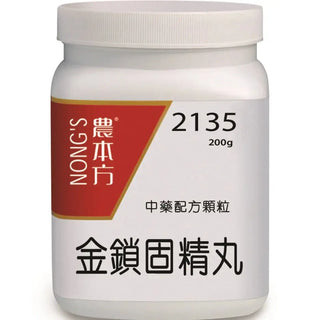
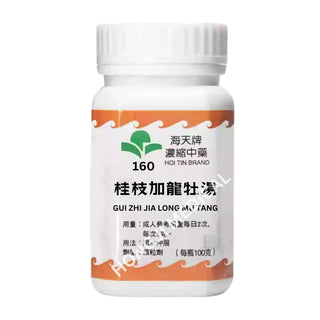
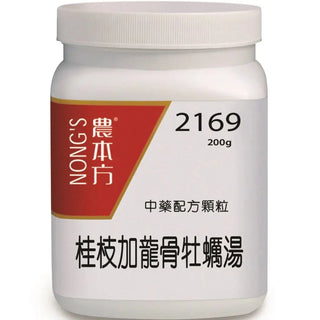
Classical Formulas Containing Long Gu

+2 more

Frequently Asked Questions

What is Long Gu? Are Wu Hua Long Gu, Duan Long Gu and Mu Li the same?
Official Long Gu (龙骨) is the fossilized bone of ancient mammals such as Hipparion, rhinoceros, deer, cattle and elephant (or fossil ivory). The usual Latin name is Fossilia Ossis Mastodi—not a mythical dragon. Wu Hua Long Gu is the high-grade lot with glazed colored banding, layers and a strong tongue-adhering quality. Duan Long Gu is calcined until red-through, stronger to astringe and generate flesh. Mu Li is oyster shell: salty and slightly cold, calms the Liver and anchors Yang, softens hardness and binds—often paired with Long Gu. Write raw or calcined Long Gu, crush it and decoct first.
What are the TCM properties and traditional uses of Long Gu?
Tradition records Long Gu as sweet, astringent and neutral (raw use is sometimes called slightly cold), entering the Heart, Liver and Kidney channels, acting to settle fright and calm the spirit, calm the Liver and anchor Yang, and astringe and secure. Calcined it also astringes damp and closes sores. It is used for palpitations and insomnia, fright-wind and mania, Liver-Yang dizziness, spontaneous and night sweating, emission and flooding discharge, chronic diarrhea, and sores that will not close. Heavy and descending—suited to floating deficient Yang and insecurity with leakage, not to damp-heat accumulation or uncleared excess pathogen.
How do you choose raw versus calcined Long Gu? Why decoct first?
Raw Long Gu is stronger to settle fright, calm the spirit and anchor Liver Yang—insomnia, seizures and dizziness favor it. Calcined Long Gu is stronger to astringe, secure and generate flesh—sweating, emission, flooding, chronic diarrhea and unhealing sores favor it. The mineral fossil is dense and poorly soluble, so it must be crushed and decocted first for 20–30 minutes before the rest. Calcined powder may be dusted on sores. Lots that do not adhere to the tongue and that smoke and stink when burned are not medicinal.
Read the complete guide →

Learn More About Long Gu

Explore our in-depth article covering the traditional uses, properties, functions, and TCM context of Long Gu.

Read the Long Gu Guide →

Medical Disclaimer — This article is provided for educational purposes only and describes traditional Chinese medicine concepts. It is not medical advice, and it is not intended to diagnose, treat, cure or prevent any disease. Always consult a qualified practitioner before using any herb, particularly if you are pregnant, nursing, taking medication or managing a diagnosed condition.

Login

Forgot your password?

Don't have an account yet?
Create account