Fruits and seedsQi-regulatingFructus Aurantii

Zhi Ke (Bitter Orange)

A practical guide to Zhi Ke: what it is, how Traditional Chinese Medicine uses it, the classical formulas it appears in, and who should be careful with it.

View Herb Profile →

Last reviewed Oct 13, 2026

Quick Facts

Latin NameFructus Aurantii
Chinese Name & Pinyin 枳殼 · Zhi Ke
Medicinal PartFruits and seeds
The herbZhi Qiao is the larger unripe fruit of bitter orange. A cross-section looks like a wheel. Zhi Shi is smaller and younger. Common forms: raw and bran-fried.
Nature and channelsBitter, acrid, sour, slightly cold. Enters the Spleen and Stomach. Bitterness drains stagnation. Acridity moves qi. Slight cold clears heat from accumulation.
Pharmacopoeia lineMoves qi and eases the middle. Moves stagnation and reduces distention. Used for qi stagnation in the chest and flanks, distending pain, food accumulation, and internal phlegm-rheum.
Pattern cuesChest and flank fullness. Focal distention. Food accumulation. Phlegm-rheum. Wiry pulse.
In this articleZhi Qiao versus Zhi Shi, Chen Pi, and Hou Po. Raw versus bran-fried. Why qi deficiency and pregnancy are cautions. Why it is not a fat-burner extract. Who should skip it.

What Is Zhi Ke?

Zhi Qiao (枳壳; Zhǐ Qiào, also written Zhi Ke; Latin: Aurantii Fructus; English: bitter orange fruit) is the dried unripe fruit of Citrus aurantium L. or a cultivated variety. In Chinese medicine it is a qi-moving herb. It is bitter, acrid, sour, and slightly cold, enters the Spleen and Stomach channels, and its core actions are to move qi and ease the middle, and to move stagnation and reduce distention. It is not Zhi Shi. Zhi Shi is the smaller, younger fruit. It more strongly breaks qi and disperses accumulation, and fits focal distention and constipation. Zhi Qiao is larger and milder. It is used more to ease the chest and reduce bloating. Same plant; the prescription must name which one. It is not a Western bitter-orange fat-burner extract. Official pieces are used for qi-stagnation fullness. They do not convert to a synephrine capsule. Bran-fried Zhi Qiao is gentler. Use caution in pregnancy and in sinking qi deficiency.

It is used most often for three patterns:

  • Distention in the chest, flanks, or abdomen — qi not transporting
  • Food accumulation — focal distention, belching
  • Phlegm-rheum lodged internally with stuck qi

The usual decoction dose is 3–10 g. Qi deficiency with no stagnation, and a cold weak spleen, should not be over-moved. Bitter, acrid, and slightly cold, it is not a daily “bloat orange.” Breaking qi when middle qi is already sinking depletes it further.

When the chest and diaphragm feel packed, or meals sit as fullness, Zhi Qiao is bitter-draining and acrid-opening. It moves and eases, which is why it is often paired with Chen Pi, Mu Xiang, and Hou Po. It moves qi more than it lifts. Shortness of breath, no desire to speak, and rectal prolapse sink further if more breaking is added.

Zhi Qiao is not a catch-all bloating herb. In qi deficiency, pregnancy, or moving when there is no accumulation, using it alone can consume qi and unsettle a pregnancy. Peel-fruit or immature fruit should be decided by a licensed Chinese medicine practitioner after pattern diagnosis.

Zhi Ke Bitter Orange

Zhi Ke: Materia Medica Profile

Identification & Quality Standard

Fructus Aurantii

Botanical Origin

The dried immature fruit of Citrus aurantium L.(Rutaceae), and its cultivars.

Production Regions

Primarily produced in the Chinese provinces of Sichuan, Hunan, Jiangxi.

Quality Requirements

Superior medicinal material has greenish-brown exocarp, thick flesh, hard texture, potent aromatic odor.

Macroscopic Features

Semi-spherical, 3~5.5cm diameter. Exocarp is greenish-brown or brown, slightly rough, scattered numerous small oil ducts, center has obvious scars of stigma base or round scar of fruit stem. Mesocarp of cut surface is 0.6~1.2cm thick, yellowish-white and relatively smooth, slightly rolled over, scattered vascular bundles, edges have 1-2 rows of brownish-yellow oil ducts. Hard texture, hard to break, 7~12 sections of pulp, a few have 15 pulp sections, inside pulp is dry and wrinkled, brownish-yellow or dark brown, soft texture, seeds are stored inside. Axis is firm, 5~9mm wide, yellowish-white, with one round of intermittent vascular bundle spots. Aromatic odor, bitter, slightly sour taste.

Origin and Quality Identification

  • Prime Locations: Traditionally, the best quality comes from provinces like Jiangxi, Sichuan, and Hunan.
  • How to Spot Good Quality: Look for a green-brown to brown outer skin, thick flesh, and a hard texture. The cross-section should have a distinct yellow-white pulp. It should have a light, fresh citrus fragrance and a slightly bitter, sour taste.
  • Processed vs. Fake: Bran-fried Zhi Ke will have a slightly yellow tint and a roasted bran scent. Be careful of look-alikes from other citrus plants—these fakes usually have thin flesh, a loose texture, and lack that signature scent.

Traditional Properties & Historical Lineage

Nature, Flavour & Channel Tropism

Acrid, Bitter, Sour; WarmSpleenStomachLarge Intestine

1. Historical Records

  • Shen Nong Ben Cao Jing: Early texts linked it to clearing "heat and cold knots" and benefiting the organs, laying the groundwork for its Qi-regulating fame.
  • Ming Yi Bie Lu: Clearly noted its ability to clear phlegm in the chest, move stagnant water, and relieve severe bloating and pain.
  • Ben Cao Gang Mu: Expanded its use to treating bowel blockages and stubborn Lung Qi stagnation.
  • De Pei Ben Cao: Highlighted famous pairings. For example, combining it with Jie Geng (Platycodon Root) opens up stagnant chest Qi, while pairing it with Bing Lang (Areca Seed) clears out phlegm and food stagnation.

2. Evolution of Medicinal Understanding

  • Clearing Stagnation: Many ancient doctors praised its ability to quickly clear Qi blockages and phlegm, making it a go-to for "excess" syndromes (where there is a buildup of pathological factors).
  • Words of Caution: Later experts realized it shouldn't be used lightly. Because it aggressively moves Qi, it can exhaust people who already have weak Spleen and Stomach energy.
  • The Bran-Fried Solution: Over time, practitioners discovered that frying it with bran makes its action much milder, making it safer for gentler, long-term regulation.

Zhi Ke Bitter Orange

Core Efficacies & Traditional Applications

Traditional Functions

Moves qi, expands the center, moves stagnation, eliminates swelling.

1. Primary Focus: Regulating Qi to Relieve Stagnation

  • Traditional Function: The primary role of Zhi Ke (Bitter Orange) is to regulate and smooth out stagnant Qi (energy) in the chest and abdomen, relieving the uncomfortable feeling of bloating.
  • Target Symptoms: It is ideal for "Qi stagnation." You might feel fullness in your chest or stomach that worsens after meals but feels slightly better after belching or passing gas. It also helps with mild nausea and poor appetite caused by bad eating habits, a sedentary lifestyle, or emotional stress.
  • Common Pairings: In clinical practice, it is often paired with Chen Pi (Tangerine Peel) and Mu Xiang (Aucklandia Root) to boost its Qi-moving power. If your digestion is weak, a practitioner might add Bai Zhu (Atractylodes Rhizome) to strengthen the spleen while moving the stagnant Qi.
  • When to Avoid: Do not use this herb on your own if you have a weak stomach, suffer from frequent diarrhea, or don't actually have obvious signs of Qi stagnation, as it can make you feel worse.

2. Secondary Focus: Relieving Food Stagnation and Bloating

  • Traditional Function: It helps dissipate trapped food or phlegm-dampness in the digestive tract, easing the resulting bloat.
  • Target Symptoms: Perfect for cases of "food stagnation" or "phlegm-dampness." Signs include heavy bloating after eating, sour breath, loss of appetite, a feeling of heaviness in the body, or sticky stools. This usually happens after overeating, consuming too much greasy food, or lack of exercise.
  • Common Pairings: Frequently combined with Shan Zha (Hawthorn Fruit) and Shen Qu (Medicated Leaven) to help digest stuck food. For phlegm issues, it pairs well with Fu Ling (Poria) and Ban Xia (Pinellia Tuber).
  • When to Avoid: Pregnant or nursing women, as well as individuals with gastrointestinal ulcers or chronic diarrhea, should avoid using this herb without professional guidance.

3. Common Herb Pairings: Synergistic Duos

  • A very classic pairing in TCM is Zhi Ke (Bitter Orange) and Jie Geng (Platycodon Root).
  • Why it works: Jie Geng works by gently lifting lung Qi upwards, while Zhi Ke pushes stagnant Qi downwards. Together, they create a perfect up-and-down balance, making them highly effective for clearing chest tightness and abdominal bloating. Because everyone's constitution is different, this combination requires a TCM practitioner to balance the exact dosage.

Zhi Ke Bitter Orange

Modern Research

Modern research offers useful context, but Traditional Chinese Medicine prescribes on whole-pattern diagnosis rather than isolated compounds.

1. Key Chemical Components

  • The main active compounds include volatile oils (like limonene), flavonoids (like hesperidin), and alkaloids (like synephrine).
  • In lab settings, some of these compounds show antioxidant properties and the ability to regulate gastrointestinal smooth muscle, though robust human clinical trials are still needed to confirm these exact effects.

2. Modern Pharmacological Focus

  • Current scientific research mostly focuses on how it affects gastrointestinal motility (how food moves through the digestive tract).
  • While animal models show it might help promote digestion and gut movement, scientists are still working to see if isolated compounds match the traditional whole-herb effect in humans.

3. Limitations of Modern Research

  • Lab vs. Real Life: A test tube or animal study doesn't perfectly mirror how the human body reacts to a brewed herbal tea.
  • Extracts vs. Whole Herbs: Modern studies often use highly concentrated, isolated chemicals. This is vastly different from drinking a traditional decoction of Zhi Ke, so the dosages and effects aren't simply interchangeable.
  • The Power of Synergy: TCM relies on all the compounds in the herb working together. You cannot judge the full healing power of Zhi Ke based on just one single chemical component.

Zhi Ke Bitter Orange

Comparing Similar Herbs

1. Shared Traits with Similar Herbs

Zhi Ke (Bitter Orange) and Zhi Shi (Immature Bitter Orange) are closely related:

  • Both are used to regulate Qi and treat chest and abdominal stagnation.
  • Both address discomfort caused by trapped energy.
  • Both can deplete your body's natural energy (Zheng Qi) if overused or used by someone who is already weak.

2. Core Differences

  • Nature and Strength: Zhi Ke is mildly cold and relatively gentle in its action. Zhi Shi is colder and much more aggressive—like a sledgehammer for breaking up stagnation.
  • Action Focus: Zhi Ke excels at gently regulating the spleen and stomach to relieve everyday bloating and food stagnation. Zhi Shi is a heavy-hitter used for severe gastrointestinal blockages and intense abdominal pain.
  • Target Symptoms: Use Zhi Ke for mild, everyday discomforts (like a slightly bloated stomach after lunch). Use Zhi Shi for severe conditions like hardened, painful abdominal masses or heavy phlegm congestion.
  • Safety Profile: Zhi Ke is safer for general use. Zhi Shi has many strict contraindications and should never be used by pregnant women, nursing mothers, or people with very weak digestion.

3. A One-Sentence Summary

Zhi Ke (Bitter Orange) is your gentle daily helper for mild-to-moderate chest and stomach bloating, whereas Zhi Shi (Immature Bitter Orange) is a strong clinical tool used to break through severe, stubborn blockages.

Zhi Ke Bitter Orange

Classical Formulas Containing Zhi Ke

+8 more

Formulas vs. Single Herbs

  • Synergy is Key: A formula is a balanced team. The healing power comes from how the herbs interact, so a single herb cannot simply replicate a full formula's effects.
  • Holistic Balance: The exact dosage and combination in a formula affect the entire body. Never try to mix or alter these formulas at home based on internet articles.

Diet & Daily Home Use

1. Home Herbal Teas and Meals

  • Zhi Ke and Chen Pi Tea:
    • Ingredients: 3g raw Zhi Ke (Bitter Orange), 2g Chen Pi (Tangerine Peel), 2g Chao Mai Ya (Fried Barley Sprout).
    • Method: Rinse the herbs, place them in a cup, and brew with boiling water for 10 minutes. You can refill with hot water until the flavor fades.
    • Best For: Office workers experiencing mild bloating or low appetite from sitting too much or eating greasy takeout.
    • Avoid If: You have a weak stomach, frequent diarrhea, or are pregnant/nursing.
    • Frequency: Drink 2-3 times a week (1 cup per serving). Do not drink it every day.

2. Preparation Differences

  • Raw vs. Fried: Raw Zhi Ke is better for active Qi stagnation. However, for home wellness, the bran-fried version (Fu Chao Zhi Ke) is highly recommended because it is much gentler and less irritating to the stomach.
  • Brewing: It does not require special pre-boiling. Just boil it with your other ingredients for 20-30 minutes. Keep in mind that 10g of the raw herb has a different strength than 10g of the fried herb, so follow recipes carefully.

3. Dosage and Usage Cycles

  • Dosage: Clinical prescriptions usually range from 3-10g. For home food therapy, keep it much smaller—around 2-5g.
  • Duration: This is not a long-term daily supplement. Use it for 3-5 days to relieve symptoms. If you are still bloated, stop and consult a doctor.
Zhi Ke Bitter Orange

Contraindications & Safety Warnings

1. Who Should Avoid It

  • Weak Digestion: If you suffer from frequent loose stools or stomach weakness, the downward-pushing nature of this herb will likely make your diarrhea worse.
  • Vulnerable Populations: Pregnant and nursing women must avoid it or consult a doctor first, as its moving nature carries risks. Children and the elderly should only use it under medical supervision.
  • Liver/Kidney Issues: Use with caution if you have compromised liver or kidney function.
  • Allergies: If you are allergic to citrus fruits (like oranges or tangerines), you may react to this herb.

2. Medication Interactions and Dietary Notes

  • Drug Interactions: Zhi Ke can affect how your body absorbs or metabolizes blood thinners, blood pressure medications, diabetes drugs, and sedatives. Always talk to your doctor before mixing this herb with prescription medications.

3. Adverse Reactions and Overdose

  • Side Effects: Taking too much can lead to nausea, vomiting, stomach upset, fatigue, and shortness of breath (from depleting your Qi).
  • Emergency Response: If you experience an allergic reaction, persistent vomiting, breathing difficulties, or a sudden worsening of your symptoms, stop taking it immediately and seek emergency medical care.

Frequently Asked Questions About Zhi Ke

What is Zhi Qiao? Are Zhi Shi, Chen Pi and Qing Pi the same?
Official Zhi Qiao (枳壳) is the dried unripe fruit of Citrus aurantium and its cultivars, cut in half while the peel is still green. The pharmacopoeial name is Aurantii Fructus. Zhi Shi is the still younger fruit, stronger at breaking qi and reducing accumulation. Chen Pi is ripe tangerine peel: regulates qi, strengthens the Spleen, dries damp and transforms phlegm. Qing Pi is unripe tangerine peel or young fruit: soothes the Liver, breaks qi and reduces accumulation. Write Zhi Qiao or bran-fried Zhi Qiao. It is not kitchen orange peel. Use caution in pregnancy.
What are the TCM properties and traditional uses of Zhi Qiao?
According to the Chinese Pharmacopoeia, Zhi Qiao is bitter, acrid, sour and slightly cold, enters the Spleen and Stomach channels, and acts to regulate qi and expand the middle, move stagnation and disperse distention. It is used for chest-flank qi stagnation, distention and pain, undigested food accumulation, phlegm-rheum retention and visceral prolapse. Bitter-acrid and slightly cold, it suits qi stagnation with fullness—not Spleen-Stomach deficient cold without stagnation, or large doses in pregnancy.
How do you choose raw versus bran-fried Zhi Qiao? How does it differ from Zhi Shi?
Raw Zhi Qiao moves qi more distinctly; bran-fried Zhi Qiao is milder and often used for gastrointestinal qi stagnation. Zhi Shi breaks qi, reduces accumulation, transforms phlegm and dissipates focal distention more fiercely—focal fullness, tenesmus and bound chest; Zhi Qiao is gentler—chest-flank expansion and middle distention. Visceral prolapse needs qi-tonifying partners; do not break qi alone.
What is the usual dosage? Can it be drunk daily as a distention-moving tea?
The pharmacopoeial decoction dose is 3–10 g. It is not a four-season “Zhi Qiao slimming tea.” Vacuity without stagnation only sinks further as qi is moved. Chest-flank fullness and food accumulation need a practitioner to name raw or bran-fried and a short course.
What are the contraindications? Can it be used in pregnancy?
Use caution in pregnancy. Use caution in Spleen-Stomach deficient cold and in qi vacuity sinking without excess stagnation. Reduce or stop if abdominal pain and loose stool appear. Visceral prolapse and acute abdomen need specialty care—do not rely on Zhi Qiao alone.
Can Zhi Qiao expand the middle, disperse distention and treat prolapse?
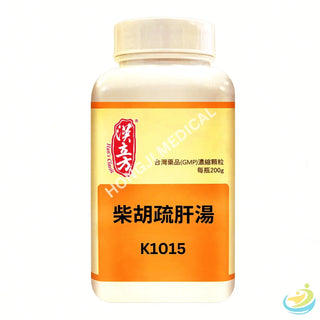
It can help chest-flank qi stagnation and middle-burner fullness. Liver constraint with chest-flank discomfort joins Bupleurum, Cyperus and white peony in a Chai Hu Shu Gan San type formula. Food accumulation joins Atractylodes in a Zhi Zhu type pairing. Phlegm-rheum joins Pinellia and tangerine peel. Visceral prolapse needs Astragalus and Cimicifuga—it is not a single-herb lift. It regulates qi, expands the middle and moves stagnation—not a specific for every bloating or every gastroptosis. Severe abdominal pain and bloody stool are emergencies.
Can Zhi Qiao be drunk daily as a digesting, slimming or refreshing tea?
Qi stagnation fullness and food accumulation may enter a short formula; qi vacuity and pregnancy only grow more depleted as qi is broken. “Zhi Qiao slims and reduces bloating” does not replace gastrointestinal assessment. Regulating qi, expanding the middle and moving stagnation should name Zhi Qiao 3–10 g.
How do you choose among Zhi Qiao, Zhi Shi, Chen Pi, Qing Pi and Mu Xiang?
Zhi Qiao is bitter-acrid-sour and slightly cold: regulates qi, expands the middle, moves stagnation and disperses distention—gentler, chest-flank and middle burner. Zhi Shi is bitter-acrid-sour and slightly cold: breaks qi, reduces accumulation, transforms phlegm and dissipates focal distention—fiercer, fullness and tenesmus. Chen Pi is acrid-bitter-warm: regulates qi, strengthens the Spleen, dries damp and transforms phlegm—mild enough for longer use. Qing Pi is bitter-acrid-warm: soothes the Liver, breaks qi and reduces accumulation—Liver-channel accumulation. Aucklandia is acrid-bitter-warm: moves qi, stops pain, strengthens the Spleen and reduces food stagnation—epigastric-abdominal tenesmus. Chest-flank expansion favors Zhi Qiao; breaking accumulation favors Zhi Shi; Spleen damp favors Chen Pi; Liver accumulation favors Qing Pi; painful tenesmus favors Mu Xiang. They may be paired; pregnancy and qi vacuity without stagnation caution Zhi Qiao and Zhi Shi.
Which herbs is Zhi Qiao combined with? What are the representative formulas?
Chest-flank qi stagnation joins Bupleurum, Cyperus, Chuanxiong and white peony in a Chai Hu Shu Gan San type formula. Blood stasis in the chest also appears in Xue Fu Zhu Yu Tang. Food accumulation joins Atractylodes. Write Zhi Qiao or bran-fried Zhi Qiao 3–10 g; use caution in pregnancy.
How do you choose and store Zhi Qiao?
Choose thick-fleshed halves with little pith, a green-brown outer peel, yellow-white mesocarp, a clear aroma and a bitter slightly sour taste. Moldy, moth-eaten, hollow and scentless lots are discarded. Store cool and dry against moths. Buy pharmacopoeial Zhi Qiao; do not replace regulating qi, expanding the middle and moving stagnation with Zhi Shi, Chen Pi or an unidentified citrus peel by equal weight.

Medical Disclaimer — This article is provided for educational purposes only and describes traditional Chinese medicine concepts. It is not medical advice, and it is not intended to diagnose, treat, cure or prevent any disease. Always consult a qualified practitioner before using any herb, particularly if you are pregnant, nursing, taking medication or managing a diagnosed condition.

More Chinese Herbs

Login

Forgot your password?

Don't have an account yet?
Create account

Zhi Ke (Bitter Orange): Regulate Qi, Widen the Middle, and Reduce Distention