Zoological substancesTonifyingPlastrum Testudinis

Gui Ban (Tortoise Plastron)

A practical guide to Gui Ban: what it is, how Traditional Chinese Medicine uses it, the classical formulas it appears in, and who should be careful with it.

View Herb Profile →

Last reviewed Sep 25, 2026

Quick Facts

Latin NamePlastrum Testudinis
Chinese Name & Pinyin 龜板 · Gui Ban
Medicinal PartZoological substances
The herbOfficial Gui Jia is the carapace and plastron of Mauremys reevesii. Traditional Gui Ban usually meant the plastron. Bie Jia and Gui Jia Jiao are different drugs. Use legal prepared pieces only.
Nature and channelsSalty, sweet, slightly cold. Enters the Liver, Kidney, and Heart. Saltiness softens and directs down. Sweetness tonifies. Slight cold clears deficiency heat.
Pharmacopoeia lineNourishes yin and subdues yang. Benefits the Kidney and strengthens bone. Nourishes blood and supplements the Heart. Secures the menses and stops flooding. Used for yin-deficiency tidal heat, steaming bone and night sweats, dizziness, internal deficiency wind, weak sinews and bones, Heart-deficiency forgetfulness, and flooding or heavy periods.
Pattern cuesTidal heat and night sweats. Dizziness. Steaming bone. Weak loins and knees. Flooding. Forgetfulness. Red tongue with little coating.
In this articleGui Ban versus Bie Jia and the glue. Raw versus vinegar-fried. Why it is decocted first. Sourcing, and who should skip it.

What Is Gui Ban?

Gui Ban (龟板) is the older name. The pharmacopoeia now lists Gui Jia (龟甲; Guī Jiǎ; Latin: Testudinis Carapax et Plastrum; English: tortoise shell and plastron). It is the carapace and plastron of the official tortoise Mauremys reevesii (formerly Chinemys reevesii). In Chinese medicine it is a yin-nourishing herb. It is salty, sweet, and slightly cold, enters the Liver, Kidney, and Heart channels, and its core actions are to nourish yin and subdue yang, benefit the Kidney and strengthen bone, nourish blood and supplement the Heart, and secure the menses and stop flooding. Traditional “Gui Ban” usually meant the plastron (the belly plate). It is not Bie Jia (soft-shelled turtle shell), which more strongly softens hardness and clears steaming heat. Gui Jia more strongly nourishes Kidney yin, subdues yang, strengthens bone, and secures the menses. It is not Gui Jia Jiao (tortoise-shell glue), which is boiled down from the plates, more purely nourishing, and melted into a decoction. Use only legally sourced, prepared pieces. Do not collect or process shells yourself.

It is used most often for three patterns:

  • Yin deficiency with yang rising / steaming bone — tidal heat, night sweats, dizziness, internal stirring of deficiency wind
  • Kidney-deficiency bone wilting — weak loins and knees; in children, late closing of the fontanelle
  • Flooding / Heart deficiency with forgetfulness — yin deficiency failing to hold the menses, or Heart–Kidney failure to nourish memory

Raw Gui Jia is stronger at nourishing yin and subduing yang. Vinegar-fried Gui Jia decocts more readily and leans toward entering the Liver, relieving pain, and astringing. The usual decoction dose is 9–24 g, decocted first. A cold weak spleen and loose stools are a caution. Use with care in pregnancy. Salty, cold, and heavy, it is not a “longevity shell” to take daily as a snack.

When yin is deficient and yang floats, tidal heat, dizziness, weak loins, and spotting are common. Gui Jia is salty-cold and heavy. It nourishes, subdues, and secures, which is why it appears in Da Bu Yin Wan and Hu Qian Wan. It nourishes and settles more than it warms. Poor appetite and cold diarrhea that like warmth get worse if more enrichment is added.

Gui Ban is not a catch-all yin or bone tonic. In spleen-stomach cold or exterior excess heat, using it alone can injure yang and the stomach. Raw or vinegar-fried, and at what dose, should be decided by a licensed Chinese medicine practitioner after pattern diagnosis, using legally sourced pieces.

Gui Ban Tortoise Plastron

Gui Ban: Materia Medica Profile

Identification & Quality Standard

Plastrum Testudinis

Botanical Origin

The dried plastron (ventral shell) of Chinemys reevesii (Gray) (Emydidae).

Production Regions

Primarily produced in the Chinese provinces of Hubei, Hunan, Anhui and Jiangsu.

Quality Requirements

Superior medicinal material is large, clean, and yellowish-brown without rotting flesh.

Macroscopic Features

Flattened plates, 7~21cm long, 5~17cm wide; externally yellowish-brown to brownish-black with seams between scutes; inner surface yellowish-white with traces of muscle; hard and heavy.

3 Authentic Production Regions and Quality Identification

Historically, the most authentic and high-quality Gui Ban (Turtle Shell) comes from Zhejiang, Hubei, and Hunan provinces. However, actual quality heavily depends on harvest timing and proper processing.

  • Quality Markers: A premium shell is hard, smooth, and glossy, with a dark brown or blackish-brown color.
  • Raw vs. Processed: Raw shells are very hard and difficult to brew, whereas the vinegar-processed versions are much easier to extract medicinal value from.
  • Common Mix-ups: It is sometimes confused with Bie Jia (Soft-shelled Turtle Carapace), which is noticeably thinner, wrinkled, and distinctly different in shape.

Traditional Properties & Historical Lineage

Nature, Flavour & Channel Tropism

Sweet, Salty; ColdLiverKidneyHeart

1. 2 Historical Herbal Records

Gui Ban (Turtle Shell) is well-documented in classic TCM literature:

  • Shen Nong Ben Cao Jing: Noted its traditional use for clearing abdominal masses, treating heavy and weak limbs, and aiding pediatric development issues.
  • Ming Yi Bie Lu: Warned that it should not be taken for prolonged periods to avoid taxing the body.
  • Ben Cao Gang Mu: Highlighted its ability to nourish Yin, benefit the kidneys, and address symptoms like night sweats, weak knees, and internal heat.

2. 3 Evolution of Medicinal Understanding

Over the centuries, TCM practitioners have highlighted different strengths of this herb. Some focused on its ability to anchor Yang and nourish Yin (helpful for dizziness and night sweats), while others praised its power to strengthen the kidneys and bones (useful for a weak lower back).

  • Important Caution: Because of its cold nature, historical texts strongly advise that individuals with Spleen and Stomach cold deficiency should use it with caution.
Gui Ban Tortoise Plastron

Core Efficacies & Traditional Applications

Traditional Functions

Nourishes yin, anchors yang, benefits the kidney, and strengthens bone. Apply to yin-deficiency heat, steaming bone, delayed closure of the fontanel, and weak lumbar spine.

1. 1 First Main Focus: Nourishing Yin and Anchoring Yang

  • Traditional Functions: It is highly valued in TCM for its ability to nourish Yin and suppress overactive Yang.
  • Common Symptoms: It is often used when Yin deficiency leads to a flare-up of Yang, causing symptoms like dizziness, ringing in the ears (tinnitus), hot flashes, night sweats, restlessness, and insomnia.
  • Common Pairings: To enhance its ability to nourish Yin and clear internal heat, it is frequently combined with herbs like Gui Ban (Turtle Shell) with Shu Di Huang (Prepared Rehmannia Root), Zhi Mu (Anemarrhena Rhizome), and Huang Bo (Phellodendron Bark).
  • When to Avoid: Do not use this on your own if you have a Spleen and Stomach cold deficiency or suffer from frequent loose stools.

2. 2 Second Main Focus: Benefiting Kidneys and Strengthening Bones

  • Traditional Functions: It is widely used to nourish the kidneys and strengthen the skeletal system.
  • Common Symptoms: TCM practitioners recommend it for Liver and Kidney deficiencies, which often show up as a weak lower back and knees, fragile bones and tendons, or delayed closure of the fontanelle (soft spot) in infants.
  • Common Pairings: For bone and kidney support, it is typically paired with Shu Di Huang (Prepared Rehmannia Root), Shan Zhu Yu (Asiatic Cornelian Cherry Fruit), and Du Zhong (Eucommia Bark).
  • When to Avoid: People with excess heat syndromes should not use this herb without professional guidance.

3. 3 Common Single Herb Pairings

  • Gui Ban (Turtle Shell) + Shu Di Huang (Prepared Rehmannia Root): Gui Ban anchors Yang, while Shu Di Huang nourishes blood. Together, they strongly boost Yin and blood. This requires a proper TCM diagnosis for Liver and Kidney Yin deficiency.
  • Gui Ban (Turtle Shell) + Huang Bo (Phellodendron Bark): Gui Ban lowers internal fire, and Huang Bo clears heat and dries dampness. This pairing is excellent for Yin deficiency with blazing fire, but must be guided by a professional.
Gui Ban Tortoise Plastron

Modern Research

Modern research offers useful context, but Traditional Chinese Medicine prescribes on whole-pattern diagnosis rather than isolated compounds.

(Note: Modern research provides chemical insights, but TCM relies on holistic applications.)

1. 1 Key Chemical Components

Modern analysis shows that Gui Ban (Turtle Shell) contains proteins, collagen, calcium, phosphorus, and zinc. Lab studies observe that it has mild anti-inflammatory and antibacterial properties, while animal studies suggest it may help boost immunity and support physical development.

2. 2 Modern Pharmacological Focus

Current scientific research mostly explores how this ingredient might assist with immune regulation and bone health (such as osteoporosis). It also shows potential antioxidant benefits. However, more human clinical trials are needed to fully confirm these modern applications.

3. 3 Limitations of Modern Research

It is important to view modern lab findings in the proper context:

  • Lab Results vs. Clinical Reality: What happens in a petri dish or animal model does not always translate directly to human health outcomes.
  • Extracts vs. Traditional Brews: Modern isolated extracts behave very differently from traditional water decoctions used in TCM.
  • Holistic Synergy: You cannot judge a traditional herb by just one chemical component. The true therapeutic value of Gui Ban (Turtle Shell) comes from the synergistic effect of all its natural compounds working together.
Gui Ban Tortoise Plastron

Comparing Similar Herbs

1. 2 Common Ground

  • Nourishing Yin: Both Gui Ban (Turtle Shell) and Bie Jia (Soft-shelled Turtle Carapace) are classic herbs for nourishing Yin.
  • Targeting Deficiencies: They are both used to treat Liver and Kidney Yin deficiency symptoms, such as a sore lower back and weak knees.

2. 3 Core Differences

  • Nature and Action: Gui Ban (Turtle Shell) is cold and hard, giving it a strong downward, anchoring energy. Bie Jia (Soft-shelled Turtle Carapace) is neutral, thinner, and has a gentler downward action.
  • Primary Strengths: Gui Ban is superior at anchoring Yang (great for hot flashes and night sweats). Bie Jia excels at softening hardness and dissipating nodules (used for lumps and blood stasis).
  • Contraindications: Gui Ban should be used cautiously by those with Spleen/Stomach cold. Bie Jia should be used carefully if you have Spleen/Stomach weakness and a poor appetite with loose stools.

3. 4 One-Sentence Summary

In short, Gui Ban (Turtle Shell) focuses on nourishing Yin and anchoring Yang, while Bie Jia (Soft-shelled Turtle Carapace) specializes in softening hard masses; though both treat Yin deficiency, they are not interchangeable.

Gui Ban Tortoise Plastron

Classical Formulas Containing Gui Ban

+2 more

Formulas vs. Single Herbs

  • Synergy is Key: A formula is a balanced team. The healing power comes from how the herbs interact, so a single herb cannot simply replicate a full formula's effects.
  • Holistic Balance: The exact dosage and combination in a formula affect the entire body. Never try to mix or alter these formulas at home based on internet articles.

Diet & Daily Home Use

1. 1 Home Diet and Recipes

  • Gui Ban (Turtle Shell) Porridge:
    • Ingredients: 10g Gui Ban, 50g rice.
    • Method: Crush the shell and boil it in water first to extract the liquid. Strain, then use that medicinal liquid to cook the rice into a porridge.
    • Best for: People with Liver and Kidney Yin deficiency (sore back, weak knees).
    • Not for: People with a cold and weak Spleen/Stomach.
    • Frequency: 1 to 2 times a week. Note: This is a medicinal ingredient, not a standard food, so follow professional advice.

2. 2 Brewing and Processing Differences

Raw Gui Ban (Turtle Shell) is incredibly hard, so it must be boiled first (pre-decocted) before adding other herbs. The vinegar-processed version is much crispier and easier to extract.

  • Home Brewing Tip: Crush the shell, soak it in water for about 30 minutes, bring it to a rolling boil, and then simmer on low heat for 30 to 60 minutes to get the best results.

3. 3 Dosage and Usage Cycle

The traditional clinical dosage ranges from 9 to 24 grams. For dietary use, the dosage should be much smaller. Long-term continuous use is not recommended. Special groups (pregnant women, kids, elderly, and those with liver/kidney issues) must consult a professional before use.

Contraindications & Safety Warnings

1. 1 Unsuitable Populations

  • People with a Spleen and Stomach cold deficiency should avoid it.
  • Pregnant and nursing women are strictly prohibited from using it.
  • Children and the elderly must consult a doctor first.
  • Anyone with allergies to animal-based products or severe liver/kidney dysfunction should exercise extreme caution.

2. 2 Drug Interactions and Dietary Notes

  • Gui Ban (Turtle Shell) may interact with Western medications like blood thinners (anticoagulants), blood pressure pills, blood sugar medications, and sedatives.
  • It can affect how your body absorbs other drugs, so always space out your doses and consult your doctor or pharmacist if you are on prescription treatments.

3. 3 Adverse Reactions and Overdose Risks

If taken improperly or in excess, it may cause mild digestive upset, such as nausea, vomiting, or stomach pain. If you experience severe allergic reactions, continuous vomiting, breathing difficulties, or rapid worsening of symptoms, stop using it immediately and seek urgent medical care.

Frequently Asked Questions About Gui Ban

What is Gui Ban? Is it the same as Gui Jia, Bie Jia or Gui Jia Jiao?
Traditionally Gui Ban (龟板) means the plastron of the Reeves’ turtle (Mauremys / Chinemys reevesii). The current pharmacopoeial name is Gui Jia (Testudinis Carapax et Plastrum), covering both carapace and plastron. “Blood plates” and “scalded plates” are processing differences. Bie Jia is the soft-shell turtle carapace, stronger to clear deficient heat and soften masses. Gui Jia Jiao is the glue, more purely tonic, dissolved separately. Wild turtles are protected; use only licensed slices—do not kill a turtle for medicine.
What are the TCM properties and traditional uses of Gui Ban / Gui Jia?
According to the Chinese Pharmacopoeia, Gui Jia is salty, sweet and slightly cold, enters the Liver, Kidney and Heart channels, and acts to enrich Yin and anchor Yang, benefit the Kidney and strengthen bone, and nourish Blood and the Heart (and secure the menses to stop flooding). It is used for Yin-deficiency tidal heat, steaming bone and night sweat, dizziness, internal stirring of deficient wind, limp sinews and bones, deficient-Heart forgetfulness, and flooding. Salty-sweet, slightly cold and heavy, it tonifies true Yin and settles floating Yang.
How do raw and vinegar-quenched Gui Jia differ? Why decoct it first?
Raw Gui Jia more strongly enriches Yin and anchors Yang—deficient wind and Yin-deficiency Yang rising favor it. Vinegar-quenched sand-fried pieces are brittle, less fishy, easier to decoct, and lean to strengthening bone and stopping bleeding—tidal heat, flooding and limp bones favor them. The shell is hard; the pharmacopoeia specifies 9–24 g, decocted first. The glue is dissolved separately. Do not drop it in with the other herbs for a short boil.
What is the usual dosage of Gui Ban?
The pharmacopoeial decoction dose is 9–24 g, decocted first, crushed. Tortoise-shell glue is about 3–9 g dissolved. It is not a daily “longevity snack.” Deficient-cold Spleen and Stomach stagnate even on a small dose. Use only processed licensed slices or glue.
What are the contraindications? Can it be used in pregnancy?
Use caution or avoid in Spleen-Stomach deficient cold with poor appetite and loose stool. Heavy and cold, it can injure the middle and assist diarrhea. Pregnancy is generally treated as caution: the sinking nature enters Chong and Ren, and extracts have been reported to excite uterine muscle—do not use without a prescription. Do not enrich and cloy while an exterior attack or turbid damp remains. Reduce or stop if cold epigastric pain or loose stool appears.
Can Gui Ban enrich Yin, anchor Yang, strengthen bone and stop bleeding?
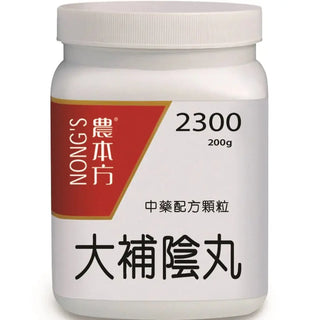
It can help. Yin-deficiency fire with steaming bone joins prepared rehmannia, Anemarrhena and Phellodendron in Da Bu Yin Wan. Deficient wind joins oyster shell, soft-shell turtle shell and white peony in San Jia Fu Mai Tang and Da Ding Feng Zhu. Limp bones and delayed fontanelle from Kidney Yin lack may join other bone-strengthening herbs. Yin-deficient flooding may join ass-hide glue. It tonifies true Yin—not a specific for every osteoporosis or every dysfunctional bleed.
Can Gui Ban be stewed daily as an anti-aging Kidney tonic?
Not as a four-season soup. Yin deficiency with heat may be treated in a short course; middle-cold damp and an unresolved exterior only grow cloying. Wild turtles are protected; private capture is illegal. Do not buy anonymous “turtle soup packs.” Enriching Yin and anchoring Yang should name raw or vinegar-fried and a first-decoction time.
How do you choose among Gui Ban, Bie Jia, Shu Di, Long Gu and Mu Li?
Tortoise shell is salty-sweet and slightly cold: especially good to enrich Kidney Yin, anchor Yang, strengthen bone and nourish Heart Blood. Soft-shell turtle shell is salty-cold: clearer of deficient heat, better to soften masses and enter the Blood. Prepared rehmannia is sweet-warm and purely cloying for Yin-Blood. Dragon bone is a heavy settler that also astringes. Oyster shell is salty-cold: anchors Yang, softens hardness and astringes sweat. Yin-deficiency Yang rising, weak bone and forgetfulness favor tortoise shell; abdominal masses and night-heat morning-cool favor Bie Jia; pure tonification favors rehmannia. They may be paired; all must be lightened when the middle is cold and the stool loose.
Which herbs is Gui Ban combined with? What are the representative formulas?
Yin-deficiency fire joins prepared rehmannia, Anemarrhena and Phellodendron in Da Bu Yin Wan. Heat that has damaged true Yin with deficient-wind spasms joins oyster shell, Bie Jia, white peony and ass-hide glue in Da Ding Feng Zhu and San Jia Fu Mai Tang. Essence-Blood lack joins deer antler, ginseng and goji in Gui Lu Er Xian Jiao. Decoct first, or name vinegar-fried shell or dissolved glue, and use only legal slices.
How do you choose and store Gui Ban?
Choose clean plates without rotting flesh, hard in texture, faintly fishy and faintly salty. Vinegar-fried pieces are pale yellow, more brittle and slightly vinegary. Store dry, protected from insects. Discard anonymous, putrid or plastic fakes. Buy labeled Gui Jia or vinegar-fried Gui Jia from a licensed supplier, obey wildlife law, and do not buy live turtles or untraceable plates online.

Medical Disclaimer — This article is provided for educational purposes only and describes traditional Chinese medicine concepts. It is not medical advice, and it is not intended to diagnose, treat, cure or prevent any disease. Always consult a qualified practitioner before using any herb, particularly if you are pregnant, nursing, taking medication or managing a diagnosed condition.

More Chinese Herbs

Login

Forgot your password?

Don't have an account yet?
Create account

Gui Ban (Tortoise Plastron): Enrich Yin, Anchor Yang, and Strengthen Bone