Zoological substancesTonifyingPlastrum Testudinis

Gui Ban (Tortoise Plastron)

龜板 · Gui Ban

Tonifying herb in Traditional Chinese Medicine. Traditional functions: Nourishes yin, anchors yang, benefits the kidney, and strengthens bone.

In-Depth Guide

Want to learn more about Gui Ban?

Read our in-depth guide →

Quick Facts

Latin NamePlastrum Testudinis
Chinese Name & Pinyin龜板 · Gui Ban
Medicinal PartZoological substances
Efficacy CategoryTonifying
Botanical OriginThe dried plastron (ventral shell) of Chinemys reevesii (Gray) (Emydidae).
Nature & FlavourSweet, Salty; Cold
Channels EnteredLiver, Kidney, Heart

What Is Gui Ban?

Gui Ban (Tortoise Plastron) is a medicinal herb of Traditional Chinese Medicine.

Primarily produced in the Chinese provinces of Hubei, Hunan, Anhui and Jiangsu.

Nature & Flavour: Sweet, Salty; Cold
Channels Entered: Liver, Kidney, Heart

Gui Ban: Materia Medica Profile

Identification & Quality Standard

Plastrum Testudinis

Botanical Origin

The dried plastron (ventral shell) of Chinemys reevesii (Gray) (Emydidae).

Production Regions

Primarily produced in the Chinese provinces of Hubei, Hunan, Anhui and Jiangsu.

Quality Requirements

Superior medicinal material is large, clean, and yellowish-brown without rotting flesh.

Macroscopic Features

Flattened plates, 7~21cm long, 5~17cm wide; externally yellowish-brown to brownish-black with seams between scutes; inner surface yellowish-white with traces of muscle; hard and heavy.

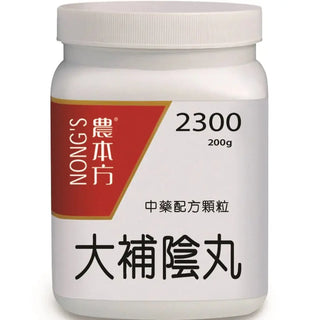
Traditional TCM Properties

Sweet, Salty; ColdLiverKidneyHeart

Traditional Functions

Nourishes yin, anchors yang, benefits the kidney, and strengthens bone. Apply to yin-deficiency heat, steaming bone, delayed closure of the fontanel, and weak lumbar spine.

How Gui Ban Is Used in TCM

In the Chinese materia medica, Gui Ban is classified among the Tonifying herbs. It appears in 6 classical formulas in our library.

Formulas containing Gui Ban are traditionally used for:

Night SweatsFrequent NocturiaInsomniaDizziness & VertigoHeadacheLow Back PainYin Deficiency ConstitutionFatigue & Low EnergyMenopausal DiscomfortDry Mouth & Throat

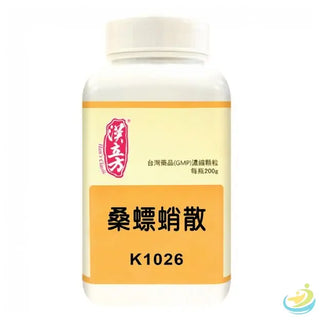
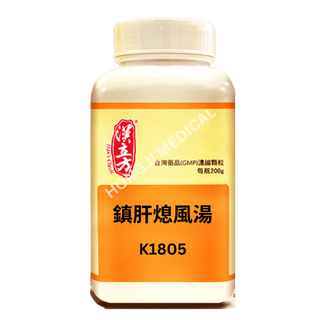
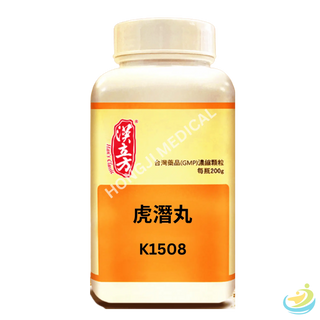
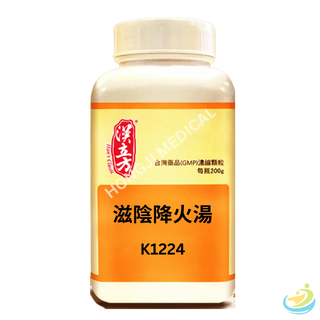
Classical Formulas Containing Gui Ban

+2 more

Frequently Asked Questions

What is Gui Ban? Is it the same as Gui Jia, Bie Jia or Gui Jia Jiao?
Traditionally Gui Ban (龟板) means the plastron of the Reeves’ turtle (Mauremys / Chinemys reevesii). The current pharmacopoeial name is Gui Jia (Testudinis Carapax et Plastrum), covering both carapace and plastron. “Blood plates” and “scalded plates” are processing differences. Bie Jia is the soft-shell turtle carapace, stronger to clear deficient heat and soften masses. Gui Jia Jiao is the glue, more purely tonic, dissolved separately. Wild turtles are protected; use only licensed slices—do not kill a turtle for medicine.
What are the TCM properties and traditional uses of Gui Ban / Gui Jia?
According to the Chinese Pharmacopoeia, Gui Jia is salty, sweet and slightly cold, enters the Liver, Kidney and Heart channels, and acts to enrich Yin and anchor Yang, benefit the Kidney and strengthen bone, and nourish Blood and the Heart (and secure the menses to stop flooding). It is used for Yin-deficiency tidal heat, steaming bone and night sweat, dizziness, internal stirring of deficient wind, limp sinews and bones, deficient-Heart forgetfulness, and flooding. Salty-sweet, slightly cold and heavy, it tonifies true Yin and settles floating Yang.
How do raw and vinegar-quenched Gui Jia differ? Why decoct it first?
Raw Gui Jia more strongly enriches Yin and anchors Yang—deficient wind and Yin-deficiency Yang rising favor it. Vinegar-quenched sand-fried pieces are brittle, less fishy, easier to decoct, and lean to strengthening bone and stopping bleeding—tidal heat, flooding and limp bones favor them. The shell is hard; the pharmacopoeia specifies 9–24 g, decocted first. The glue is dissolved separately. Do not drop it in with the other herbs for a short boil.
Read the complete guide →

Learn More About Gui Ban

Explore our in-depth article covering the traditional uses, properties, functions, and TCM context of Gui Ban.

Read the Gui Ban Guide →

Medical Disclaimer — This article is provided for educational purposes only and describes traditional Chinese medicine concepts. It is not medical advice, and it is not intended to diagnose, treat, cure or prevent any disease. Always consult a qualified practitioner before using any herb, particularly if you are pregnant, nursing, taking medication or managing a diagnosed condition.

Login

Forgot your password?

Don't have an account yet?
Create account