Edema: A TCM Perspective on Patterns and Traditional Approaches

Explore how Traditional Chinese Medicine traditionally understands edema through different patterns, associated symptoms, and classical formulas.

Explore the Edema Condition Profile →

Last reviewed Sep 16, 2026

Quick Facts

Health Topic Urinary & Renal Care
Chinese Name 水腫
Synonyms Swelling·Water retention·Puffy limbs·Fluid retention·Oedema
Description Swelling due to fluid retention in the tissues.
Related TCM Patterns Wind-Cold·Damp-Heat·Dampness·Cold Accumulation
+4 more Qi Deficiency·Blood Deficiency·Yang Deficiency·Kidney Yang Deficiency
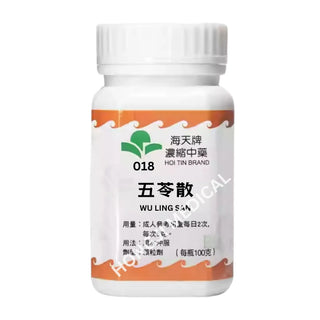
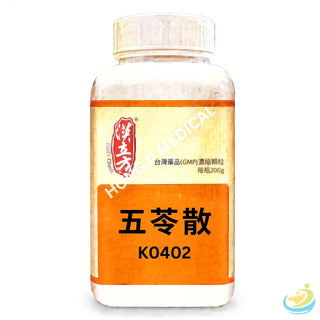
Related Classical Formulas Wu Ling San·Zhu Ling Tang·Zhen Wu Tang·Yin Chen Wu Ling San
+12 more Wei Ling Tang·Fang Ji Huang Qi Tang·Wu Pi Yin·Jin Gui Shen Qi Wan·Ji Sheng Shen Qi Wan·Bi Xie Fen Qing Yin·Dang Gui Shao Yao San·Yue Bi Jia Zhu Tang·Yue Bi Tang·Gan Jiang Ling Zhu Tang·Yi Yi Ren Tang·Qiang Huo Sheng Shi Tang

What Is Edema?

Edema is puffiness that pits or feels tight—on the eyelids, face, ankles, calves, or abdomen—worse by evening, after salt, or on waking around the eyes.

Western medicine first asks whether the heart, kidneys, liver, veins, lymph, thyroid, pregnancy, or a medicine is holding water. In Traditional Chinese Medicine, this is 水肿: the Lung, Spleen, and Kidney fail to move water, so fluid spills under the skin.

TCM does not treat every swelling the same way. The same puffiness may come from:

  • Wind-edema (yang-type) — sudden puffy face, then limbs; often after a cold or wind
  • Spleen yang deficiency — soft pitting in the limbs and abdomen; worse later in the day; loose stool
  • Kidney yang deficiency — swelling below the waist; scant urine; cold limbs
  • Damp-heat — tight, warm swelling; thirst; yellow greasy coating
  • Qi stagnation with dampness — swelling that shifts with stress or long sitting
  • Blood stasis — darker, firmer swelling; worse on one side after strain

Care starts with syndrome differentiation, then modest salt, daytime movement, less ice and raw food in a deficiency-cold pattern, and not stacking extra water “for health” at night.

Seek emergency or same-day care if swelling comes with breathlessness, chest pain, a painful red calf, almost no urine, pregnancy with headache or visual change, or a rapidly puffy face and lips.

Edema

When to See a Doctor

While traditional approaches offer valuable perspectives, certain symptoms call for prompt medical evaluation. Please consult a qualified healthcare professional if any of the following apply.

1. Signals of Underlying Diseases

It is crucial to understand that edema is often a warning sign of serious, sometimes life-threatening, organ dysfunction.

  • Heart Issues (Cardiogenic Edema): Swelling that begins in the ankles and lower legs and gradually moves upward, especially if paired with shortness of breath or heart palpitations, often signals heart failure.
  • Kidney Issues (Nephrogenic Edema): Swelling that starts early in the morning around the eyes and face before spreading to the body, often accompanied by high blood pressure or foamy urine, points directly to kidney disease.
  • Liver Issues (Hepatogenic Edema): Severe fluid accumulation primarily in the abdomen (ascites), often paired with jaundice (yellowing of the skin), strongly indicates severe liver disease like cirrhosis. Red Flag: If you experience any of these progressive symptoms, you must seek immediate Western medical testing (like blood panels and ultrasounds) rather than relying solely on herbal remedies.

2. Differentiating This Condition from Others

Properly identifying the true nature of your swelling is essential to avoid dangerous misdiagnosis.

  • Edema vs. Obesity: While both cause physical enlargement, they are fundamentally different. Obesity is a gradual buildup of fat; the tissue feels firm, and weight gain is slow. Edema, however, can cause rapid weight gain over just a few days. The skin often feels tight and shiny, and pressing a finger into the swollen area will usually leave a visible indentation (pitting) that takes time to bounce back.
  • Malnutrition Edema: Sometimes, severe swelling is not caused by organ failure, but by a chronic lack of dietary protein. This type of edema is typically accompanied by extreme weight loss, muscle wasting, and dry skin. Identifying the exact root cause is vital before beginning any treatment.

Traditional Chinese Medicine educational content on HJMEDICAL should not be used to delay appropriate medical evaluation.

Traditional Framework

Edema in Traditional Chinese Medicine: Core Understanding and Root Causes

1. The Western Medical View of Edema

In Western medicine, edema (swelling) is primarily viewed as a fluid imbalance, often linked to local or systemic diseases.

  • Vascular Fluid Imbalance: Conditions like heart failure or liver cirrhosis can increase capillary pressure or drop protein levels in the blood, causing fluid to leak into surrounding tissues.
  • Internal Fluid Retention: The kidneys are crucial for water and sodium balance. When kidney function declines (as in kidney disease) or hormones fluctuate, the body retains excess water and sodium, leading to swelling.

2. The TCM View of Edema: A State of Imbalance

Traditional Chinese Medicine (TCM) views edema holistically—not just as localized swelling, but as a systemic failure in the body's water metabolism. This process relies heavily on three vital organs:

  • The Lungs: Acting as the "upper source of water," the Lungs distribute fluids throughout the body and regulate sweating and urination. If Lung function is blocked, fluids accumulate.
  • The Spleen: Responsible for digestion and fluid transport. A weak Spleen fails to process "water and dampness," allowing fluids to overflow into the skin.
  • The Kidneys: The master controller of water. If Kidney Yang (the body's warming energy) is deficient, water cannot be properly vaporized and excreted, causing it to pool in the body.
  • Qi and Blood Circulation: TCM believes that "when Qi moves, water moves." Emotional stress or blockages in Qi and Blood circulation can stagnate the body's natural fluid pathways, ultimately triggering edema.
Edema

3. Three Major Root Causes

Invasion of External Pathogens

Environmental factors can invade the body and disrupt fluid balance:

  • Wind: Often attacking the Lungs first, wind pathogens (commonly caught during a cold) can disrupt the Lungs' ability to regulate fluids, leading to sudden swelling, particularly around the face and eyelids.
  • Dampness: A heavy, sticky pathogen that damages the Spleen. Prolonged exposure to damp environments or getting caught in the rain can cause internal dampness to build up, leading to widespread bodily swelling.

Internal Organ Dysfunction and Chronic Illness

Prolonged illness or deep internal depletion is a major trigger:

  • Spleen and Kidney Depletion: Chronic diseases severely drain the Spleen's digestive power and the Kidneys' metabolic fire, leading to a massive buildup of internal fluids.
  • Emotional Stress: Chronic depression, frustration, or overthinking can stagnate Liver Qi or exhaust the Heart and Spleen, disrupting the internal organ harmony required for proper fluid drainage.

Diet, Overwork, and Lifestyle Factors

Everyday habits directly impact your body's ability to manage water:

  • Poor Diet: Overeating greasy, sweet, or heavily spiced foods damages the Spleen, creating internal dampness. High salt or alcohol intake further burdens the kidneys and digestive system.
  • Overwork vs. Inactivity: Chronic exhaustion depletes your core energy (Qi), weakening the Spleen and Kidneys. Conversely, an overly sedentary lifestyle causes Qi and Blood to stagnate, making it harder for the body to process excess fluids.

Pattern Differentiation

Common TCM Patterns Associated With Edema

TCM traditionally considers this presentation in relation to the underlying pattern rather than treating every case the same way.

Pattern Typical Features Classical Formula
Wind-Cold風寒證
  • Chills that outweigh the fever, no sweating, a stuffy or runny nose with clear discharge, an itchy or scratchy throat rather than a sore one, body aches, and a cough with thin white phlegm.
  • Symptoms often start abruptly after exposure to cold or wind.
  • Tongue with a thin white coating; pulse floating and tight.
Ma Huang Tang
Damp-Heat濕熱證
  • A heavy body with a sense of heat, sticky or bitter taste in the mouth, scanty dark urine, and discomfort that worsens in hot humid weather.
  • There may be greasy skin, sticky stools, or yellowish discharge.
  • Thirst is present but drinking may not feel satisfying.
  • Tongue red with a yellow greasy coating; pulse slippery and rapid.
Zhu Ling Tang
Dampness濕阻證
  • A heavy, sluggish body feeling, abdominal fullness, sticky sensation in the mouth, and reduced appetite.
  • Stools may be sticky or incomplete, and the person often feels worse in humid weather.
  • There can be oedema of the limbs or a greasy facial sheen.
  • Tongue with a thick greasy white coating; pulse soft or slippery.
Wu Ling San
Cold Accumulation寒積證
  • Fixed cold pain in the abdomen that prefers warmth and worsens with cold food or exposure.
  • There may be constipation or difficult stools, cold limbs, and a preference for warm drinks.
  • The abdomen can feel hard or full on pressure.
  • Tongue pale with a white coating; pulse deep and tight or wiry.
Gan Jiang Ling Zhu Tang
Qi Deficiency氣虛證
  • Easy fatigue, shortness of breath on mild effort, a soft or low voice, and spontaneous sweating with light activity.
  • The complexion is often pale, and recovery after exertion is slow.
  • There may be a tendency to catch external pathogens more easily.
  • Tongue pale with a thin white coating; pulse weak or empty.
Huang Qi Gui Zhi Wu Wu Tang
Blood Deficiency血虛證
  • A pale or sallow complexion, dry hair or skin, light-headedness on standing, blurred vision, and easy fatigue.
  • In women the menstrual flow is often scanty and pale.
  • Sleep may be light, and the hands and feet can feel numb when tired.
  • Tongue pale and thin; pulse thin and weak.
Dang Gui Si Ni Tang
Yang Deficiency陽虛證
  • Aversion to cold, cold limbs, preference for warm drinks and clothing, and low energy that worsens in cold weather.
  • There may be loose stools, clear copious urine, a pale puffy face, and reduced libido or lumbar weakness.
  • The person feels better with warmth and worse with cold exposure.
  • Tongue pale and possibly swollen with a white coating; pulse deep and weak.
Xiao Jian Zhong Tang
Kidney Yang Deficiency腎陽虛證
  • Cold lower back and knees, cold limbs, clear copious urine or frequent nocturia, and reduced sexual drive or premature ejaculation.
  • Energy is low, especially in the morning or in cold weather, and stools may be loose.
  • The face can look pale and slightly puffy.
  • Tongue pale and swollen with a white coating; pulse deep and weak, especially in the chi position.
Sang Piao Xiao San

Why Can One Condition Have Different TCM Patterns?

Primary Presentation Edema (水腫)
Wind-ColdMa Huang Tang
Damp-HeatZhu Ling Tang
DampnessWu Ling San
Cold AccumulationGan Jiang Ling Zhu Tang
Blood DeficiencyDang Gui Si Ni Tang
Yang DeficiencyXiao Jian Zhong Tang
Kidney Yang DeficiencySang Piao Xiao San

Pattern differentiation is the foundation of TCM. The same presentation can correspond to different patterns, and the traditionally associated formula differs accordingly.

Treatment Principle

Root and Branch: How TCM Approaches Edema

In Traditional Chinese Medicine, treating edema requires a balanced, dual approach: "treating the branch" (providing immediate symptom relief) and "treating the root" (fixing the underlying organ imbalance).

1. Treating the Branch (Immediate Relief)

When swelling is severe, the immediate goal is to flush out the excess fluids.

  • Water-Draining Herbs: Herbs like Fu Ling (Poria Mushroom), Ze Xie (Alisma Rhizome), and Zhu Ling (Polyporus Mushroom) are used to quickly increase urination and reduce swelling.
  • Targeted Relief: If the swelling is mostly in the upper body and face, TCM uses Lung-opening herbs like Ma Huang (Ephedra) to push fluids downward. If the swelling is concentrated in the lower legs, downward-guiding herbs like Niu Xi (Achyranthes Root) are added to speed up fluid elimination.

2. Treating the Root (Balancing the Organs)

To stop the edema from returning, TCM focuses on repairing the body's internal water management system.

  • For Lung issues, the focus is on restoring the respiratory system's ability to regulate fluid pathways.
  • For Spleen Yang deficiency, warming formulas like Shi Pi Yin (Real Spleen Decoction) are used to reignite the digestive fire, enabling the body to process dampness naturally.
  • For Kidney Yang deficiency, deep tonics like Jin Gui Shen Qi Wan (Golden Cabinet Kidney Qi Pill) are prescribed to restore the body's foundational "metabolic fire," allowing it to vaporize and excrete stagnant fluids permanently.
Edema

3. Common Herbs and Classic Formulas

Water-Draining and Dampness-Resolving Herbs

  • Fu Ling (Poria Mushroom): A gentle but highly effective herb that drains dampness, strengthens the Spleen, and calms the mind. It is a staple for swelling caused by weak digestion.
  • Ze Xie (Alisma Rhizome): A stronger diuretic that helps flush out fluids while clearing heat from the kidneys and bladder.
  • Zhu Ling (Polyporus Mushroom): Known for its powerful ability to promote urination and clear stubborn fluid retention.
  • Yi Yi Ren (Coix Seed): A cooling, food-grade herb that gently drains dampness, supports digestion, and clears internal heat.

Formulas for Opening the Lungs

  • Ma Huang Tang (Ephedra Decoction): A classic formula used for sudden, wind-induced edema (often after a cold). It promotes sweating to release trapped pathogens and open the body's water pathways.
  • Ma Xing Shi Gan Tang (Ephedra, Apricot Kernel, Gypsum and Licorice Decoction): Used when sudden swelling is accompanied by internal heat, such as a fever. It clears the lungs and reduces swelling without trapping the heat inside.

Formulas for Strengthening the Spleen

  • Shi Pi Yin (Real Spleen Decoction): The go-to formula for Spleen Yang deficiency. It uses warming herbs like dried ginger and aconite to rebuild digestive strength, allowing the Spleen to properly process and eliminate stagnant water.

Formulas for Warming the Kidneys

  • Jin Gui Shen Qi Wan (Golden Cabinet Kidney Qi Pill): The premier formula for Kidney Yang deficiency. By combining deeply nourishing herbs with warming elements, it restores the Kidneys' ability to manage the body's overall fluid balance, making it highly effective for chronic lower-body swelling.
Edema

4. Classical Herbs and Formulas for Edema

Historic herbal combinations recorded in the classical medical texts.

Wu Ling San

五苓散 (Wǔ Líng Sǎn)

Classic formula for water-amassment (Tai Yang Xu Shui) and internal Dampness with impaired Bladder Qi transformation. Presents with urinary difficulty, edema, thirst with vomiting after drinking, and possible exterior signs.

View Formula ProfileRead Complete Guide →

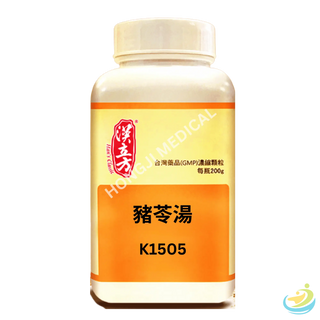
Zhu Ling Tang

豬苓湯 (Zhū Líng Tāng)

Shang Han Lun formula for water retention with Heat and Yin injury, presenting with urinary difficulty, thirst, and possible fever or restlessness. Differs from Wu Ling San by adding Yin-nourishing and Heat-clearing actions.

View Formula ProfileRead Complete Guide →

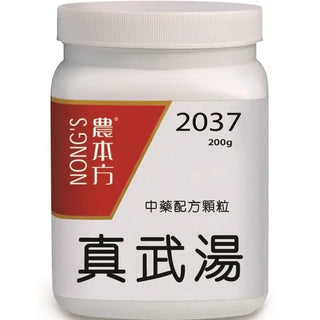
Zhen Wu Tang

真武湯 (Zhēn Wǔ Tāng)

Classic formula for Kidney Yang deficiency with water flooding, presenting with edema, heavy limbs, abdominal pain, diarrhea and cold extremities. Named after the mythical True Warrior who controls water.

View Formula ProfileRead Complete Guide →

Yin Chen Wu Ling San

茵陳五苓散 (Yīn Chén Wǔ Líng Sǎn)

Combination of Yin Chen Hao with Wu Ling San. Used for damp-type (Yin) jaundice with fluid retention, thirst and scanty urine, often against a background of Spleen weakness.

View Formula ProfileRead Complete Guide →

Wei Ling Tang

胃苓湯 (Wèi Líng Tāng)

Combination of Ping Wei San and Wu Ling San. Addresses Cold-Damp obstructing the Middle Jiao with concurrent water retention, producing diarrhea, distension, nausea and scanty urine.

View Formula ProfileRead Complete Guide →

Fang Ji Huang Qi Tang

防己黃芪湯 (Fáng Jǐ Huáng Qí Tāng)

A classical formula from the Jin Gui Yao Lue for wind-damp with Qi deficiency. It addresses oedema, heavy limbs and spontaneous sweating where the exterior is weak and dampness is retained.

View Formula ProfileRead Complete Guide →

Show 10 more classical formulas

Wu Pi Yin

五皮飲 (Wǔ Pí Yǐn)

A classical five-peel formula for skin oedema (Pi Shui) with abdominal distension and scanty urine, using peels to drain damp from the exterior and Middle without heavy tonification.

View Formula ProfileRead Complete Guide →

Jin Gui Shen Qi Wan

金匱腎氣丸 (Jīn Guì Shèn Qì Wán)

The foundational Kidney Yang tonic from the Jin Gui Yao Lue. Built on Liu Wei Di Huang Wan with Gui Zhi and Fu Zi, it addresses Kidney Yang deficiency with cold limbs, frequent urination, oedema and lumbar weakness.

View Formula ProfileRead Complete Guide →

Ji Sheng Shen Qi Wan

濟生腎氣丸 (Jì Shēng Shèn Qì Wán)

A classical modification of Jin Gui Shen Qi Wan with Niu Xi and Che Qian Zi for Kidney Yang deficiency oedema with heavy urinary difficulty and lumbar pain.

View Formula ProfileRead Complete Guide →

Bi Xie Fen Qing Yin

萆薢分清飲 (Bì Xiè Fēn Qīng Yǐn)

A classical formula for cloudy urine and frequent urination from lower-jiao cold-damp with Kidney deficiency.

View Formula ProfileRead Complete Guide →

Dang Gui Shao Yao San

當歸芍藥散 (Dāng Guī Sháo Yào Sàn)

A classical Shang Han / Jin Gui formula for abdominal pain in women from Liver-Spleen disharmony with blood deficiency and damp.

View Formula ProfileRead Complete Guide →

Qiang Huo Sheng Shi Tang

羌活勝濕湯 (Qiāng Huó Shèng Shī Tāng)

A classical formula for wind-damp attacking the exterior with heavy headache, neck stiffness and body ache.

View Formula ProfileRead Complete Guide →

Daily Support

Home Support Care for Edema

1. Acupressure for Daily Care

To help manage fluid retention and support your body's metabolism, you can gently massage specific acupoints at home. Apply moderate pressure using your thumb until you feel a mild, dull ache. Massage each point for 3 to 5 minutes daily, preferably about half an hour after meals.

  • Zu San Li: Located on the outer side of the lower leg, about four finger-widths below the kneecap. As a major point for digestion, massaging it consistently strengthens the Spleen and Stomach, which directly boosts your body's ability to process and eliminate excess water.
  • Yin Ling Quan: Found on the inner lower leg, just below the knee joint in the natural depression. This is a master point on the Spleen meridian and is highly effective for resolving internal dampness and reducing swelling.
  • San Yin Jiao: Located on the inner side of your lower leg, about four finger-widths above the ankle bone. Massaging this point, especially in combination with Zu San Li and Yin Ling Quan, creates a powerful synergy that strengthens the Spleen, nourishes the body, and effectively reduces edema.
Edema

2. Food as Medicine (Dietary Therapy)

Recommended Foods for Reducing Swelling

Incorporating foods that naturally drain dampness can significantly aid recovery:

  • Winter Melon: High in water content and cooling in nature, winter melon is excellent for clearing heat and promoting smooth urination to flush out swelling.
  • Chi Xiao Dou (Adzuki Bean): These small red beans are famous in TCM for their ability to promote urination, clear dampness, and reduce fluid accumulation.
  • Yi Yi Ren (Coix Seed): A gentle, cooling food-grade herb that drains dampness while simultaneously strengthening the Spleen.

Simple Healing Recipes

  • Winter Melon and Carp Soup: Simmer fresh carp with chunks of unpeeled winter melon and a little ginger. Carp is known to strengthen the Spleen and promote urination, making this combination a classic and delicious remedy for edema.
  • Fu Ling (Poria Mushroom) Pancakes: You can mix fine Fu Ling powder with flour and a touch of sugar to make simple, crispy pancakes. This acts as a gentle daily snack that strengthens digestion and calms the mind while draining dampness.

Note: Always consume dietary remedies in moderation. If your swelling is severe, these foods should complement, not replace, professional medical treatment.

Edema

Prevention

Preventive Care for Edema

Preventing edema requires protecting your body from environmental dampness and preserving your core energy. Establishing a consistent sleep schedule ensures your Qi and Blood circulate properly, while keeping your living environment dry and well-ventilated—especially during rainy or humid seasons—prevents external dampness from invading your body.

Equally important is the balance of emotional health and physical activity. Chronic stress and anxiety can disrupt your internal organ harmony and slow down fluid metabolism. Pair a positive, relaxed mindset with moderate daily exercise, such as brisk walking, light jogging, or Tai Chi. Exercising for about 30 minutes a day to induce a light sweat significantly boosts circulation, strengthens the Spleen and Kidneys, and naturally prevents fluids from stagnating in the body.

Frequently Asked Questions About Edema

How does Traditional Chinese Medicine understand edema?
In TCM, edema (水肿) is water overflowing into the skin and flesh because the Lung, Spleen and Kidney fail to transform and transport fluids. The Lung moves water downward, the Spleen transports Dampness, and the Kidney governs water. Wind, Dampness, Heat, Qi stagnation or Yang deficiency can all disturb this process.
What are the common TCM patterns of edema?
Frequent patterns include Wind-Water overflowing (sudden facial swelling with an exterior pattern), Spleen-Damp or Spleen Yang deficiency (puffy limbs, heavy body, loose stools), Kidney Yang deficiency (swelling below the waist, cold limbs), and Damp-Heat. Accurate pattern differentiation determines the treatment approach.
How does TCM regulate edema?
The main principles are to release the exterior and promote urination, strengthen the Spleen and drain Dampness, or warm Kidney Yang according to the pattern. Formulas such as modifications of Yue Bi Jia Zhu Tang, Wu Ling San or Zhen Wu Tang may be considered. Strong diuretic methods must be used cautiously. Internal treatment should be guided by a qualified TCM practitioner after medical causes are assessed.
What dietary advice does TCM give for edema?
Reduce very salty, greasy and overly sweet foods. Prefer warm, light, easily digested meals. Fluid intake should be individualized and not restricted blindly. Specific choices should match the individual’s pattern and any medical advice under professional guidance.
What daily lifestyle measures help with edema?
Avoid prolonged standing or sitting, elevate swollen legs when resting if appropriate, and keep the abdomen and lower back warm in Yang-deficiency patterns. Gentle walking supports Spleen transportation. Tight clothing and high-salt snacks can worsen puffiness.
Can acupuncture help edema?
Yes, as a supportive method after serious organ disease is considered. Acupuncture can strengthen the Spleen, promote fluid metabolism and warm Yang. Points such as Zu San Li (ST36), Yin Ling Quan (SP9) and San Yin Jiao (SP6) may be selected according to the pattern. Treatment should be performed under professional supervision.
How long does TCM regulation for edema usually take?
Mild Spleen-Damp puffiness may improve within 1–3 weeks. Kidney Yang deficiency or mixed patterns often require several weeks to a few months. Persistent or rapidly increasing swelling should not be managed with herbs alone.
Who should be cautious with TCM treatments for edema?
Pregnant women, the elderly, people with heart, kidney or liver disease, and those taking diuretic medication require careful assessment. Strong draining herbs can disturb fluid and electrolyte balance. Always consult a qualified TCM practitioner.
When should one seek further medical evaluation for edema?
Seek prompt evaluation for sudden swelling of the face or legs, swelling with shortness of breath, chest pain, reduced urine output, yellowing of the skin, or one-sided painful swelling. TCM regulation is complementary and cannot replace necessary tests for heart, kidney, liver or vascular disease.
Does treatment of edema require professional pattern differentiation?
Yes. Effective TCM regulation depends on accurate pattern differentiation (Wind-Water versus Spleen Dampness, Yang deficiency versus Damp-Heat). Using only draining methods in deficiency, or warming methods in Damp-Heat, may worsen swelling. Self-diagnosis and self-medication are not recommended. Consultation with a qualified TCM practitioner is essential after medical causes are assessed.

Related Conditions

Explore the Complete Edema Condition Profile

Go deeper into the associated patterns, the classical formulas traditionally linked to each of them, and the products available.

Explore the Edema Condition Profile →

Medical Disclaimer — Traditional Chinese Medicine educational content on HJMEDICAL should not be used to delay appropriate medical evaluation. This article is provided for educational purposes only and describes traditional Chinese medicine concepts. It is not medical advice, and it is not intended to diagnose, treat, cure or prevent any disease. Always consult a qualified healthcare professional before starting any herbal formula, particularly if you are pregnant, nursing, taking medication or managing a diagnosed condition.

More Conditions & Care

Login

Forgot your password?

Don't have an account yet?
Create account

Edema: Syndrome Differentiation and Daily Care