Roots and rhizomesInterior-warmingRadix Aconiti Lateralis Praeparata

Fu Zi (Prepared Aconite Root)

附子 · Fu Zi

Interior-warming herb in Traditional Chinese Medicine. Traditional functions: Returns yang, rescues counter flow, supplements fire, assists yang, dispels cold, relieves pain.

In-Depth Guide

Want to learn more about Fu Zi?

Read our in-depth guide →

Quick Facts

Latin NameRadix Aconiti Lateralis Praeparata
Chinese Name & Pinyin附子 · Fu Zi
Medicinal PartRoots and rhizomes
Efficacy CategoryInterior-warming
Botanical OriginThe processed product prepared from the daughter root of Aconitum carmichaelii Debx.(Ranunculaceae).
Nature & FlavourSweet, Acrid; Very hot; Toxic
Channels EnteredHeart, Kidney, Spleen

What Is Fu Zi?

Fu Zi (Prepared Aconite Root) is a medicinal herb of Traditional Chinese Medicine.

Primarily produced in the Chinese provinces of Shaanxi, Sichuan.

Nature & Flavour: Sweet, Acrid; Very hot; Toxic
Channels Entered: Heart, Kidney, Spleen

Fu Zi: Materia Medica Profile

Identification & Quality Standard

Radix Aconiti Lateralis Praeparata

Botanical Origin

The processed product prepared from the daughter root of Aconitum carmichaelii Debx.(Ranunculaceae).

Production Regions

Primarily produced in the Chinese provinces of Shaanxi, Sichuan.

Quality Requirements

Yan fu zi: Large, firm, grayish-black, with salt powder externally. Hei shun pian: relatively large, even thickness, hard and brittle, externally oily lustrous. Bai fu pian: large, white, translucent.

Macroscopic Features

Yan fu zi (salted aconite lateral root): Conical, 4~7cm long, 3~5cm diameter. Externally grayish-black, covered with salt powder; apex has indented sprout scars, tumor-like lateral roots or lateral root scars are present. Heavy in mass, horizontal cut surface is grayish-brown, small cracks, salt powder and a polygonal cambium ring can be seen, which is irregularly arranged on the inside. faint odor, salty taste and numbing to the tongue. Hei shun pian (black sliced aconite lateral root): longitudinal cut slices, wide upper portion and narrow lower portion, 1.7~5cm long, 0.9~3cm wide, 0.2~0.5cm thick. Outer skin is black-brown, cut surface is dark yellow, oily and lustrous, translucent, with longitudinal vascular bundles. Hard and brittle texture, fractured surface is horn-like. faint odor, tasteless. Bai fu pian (white sliced aconite lateral root): longitudinal cut slices, removed outer skin, externally yellowish-white and translucent, about 0.3mm thick. Pao fu pian (processed bai fu pian): shaped similar to bai fu pian, relatively darken color, brittle texture, and slightly raised up. Dan fu pian: longitudinal cut slices, thin, externally grayish-white, hard and brittle texture. faint odor; tasteless, not numbing to the tongue.
Traditional TCM Properties

Sweet, Acrid; Very hot; ToxicHeartKidneySpleen

Traditional Functions

Returns yang, rescues counter flow, supplements fire, assists yang, dispels cold, relieves pain. ‘First medicinal material of returns yang and rescues counter flow’. Apply to excessive yin refusing yang, loss of yang due to profuse perspiration, vomiting and diarrhea, counter flow limbs, cold limbs and faint pulse, chest and abdominal cold pain, cold diarrhea, beriberi and edema, wind-cold and damp impediment, impotence, cold uterine, vomit and diarrhea due to deficiency and cold, edema due to yin cold, exterior cold due to yang deficiency, yin carbuncle and sore, and all the diseases of chronic cold.

How Fu Zi Is Used in TCM

In the Chinese materia medica, Fu Zi is classified among the Interior-warming herbs. It appears in 7 classical formulas in our library.

Formulas containing Fu Zi are traditionally used for:

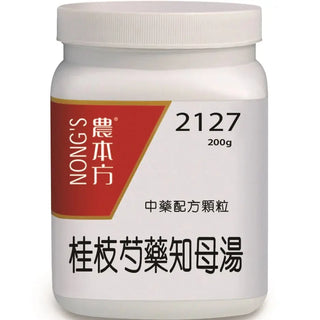
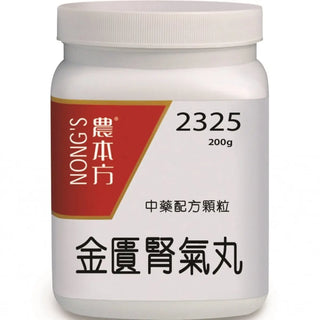
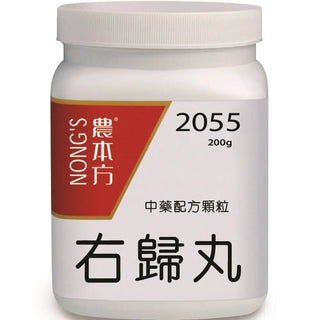
FeverCold LimbsFatigue & Low EnergyNasal CongestionHeadacheAbdominal PainDiarrheaJoint DiscomfortFrequent NocturiaEdemaLow LibidoFrequent Urination

Classical Formulas Containing Fu Zi

+3 more

Frequently Asked Questions

What is Fu Zi? Are Chuan Wu, Cao Wu and raw Fu Zi the same?
Official Fu Zi (附子) is the processed daughter root of Aconitum carmichaelii. The pharmacopoeial name is Aconiti Lateralis Radix Praeparata. Chuan Wu is the mother root of the same plant; Cao Wu is another aconite species and is more toxic. Raw Fu Zi is extremely toxic; internal use requires processed slices (Hei Shun Pian, Bai Fu Pian, Dan Fu Pian or Pao Fu Pian). Write prepared Fu Zi and specify pre-decoction. Forbid in yin-vacuity fire, excess heat and pregnancy.
What are the TCM properties and traditional uses of Fu Zi?
According to the Chinese Pharmacopoeia, Fu Zi is acrid, sweet and greatly hot; toxic, enters the Heart, Kidney and Spleen channels, and acts to restore yang and rescue from counterflow, supplement fire and assist yang, and disperse cold to stop pain. It is used for devastated-yang collapse, cold limbs and faint pulse, impotence and cold womb, cold pain in the chest and abdomen, vacuity-cold vomiting and diarrhea, yin-cold edema, yang-vacuity exterior contraction, and cold-damp painful obstruction. Greatly hot and toxic, it suits devastated yang and vacuity cold—not yin vacuity with yang hyperactivity or excess internal heat.
How do you choose raw versus prepared Fu Zi? Must it be pre-decocted?
Internal use is only the processed product. It must be pre-decocted and long-decocted (often 30–60 minutes or longer) until there is no strong tongue-numbing, then other herbs are added. Raw material is not for routine internal use. Lip-tongue numbness, palpitations or arrhythmia require immediate stopping and medical care. Do not self-dispense raw Fu Zi or shorten the boil.
Read the complete guide →

Learn More About Fu Zi

Explore our in-depth article covering the traditional uses, properties, functions, and TCM context of Fu Zi.

Read the Fu Zi Guide →

Medical Disclaimer — This article is provided for educational purposes only and describes traditional Chinese medicine concepts. It is not medical advice, and it is not intended to diagnose, treat, cure or prevent any disease. Always consult a qualified practitioner before using any herb, particularly if you are pregnant, nursing, taking medication or managing a diagnosed condition.

Login

Forgot your password?

Don't have an account yet?
Create account