Cardiovascular CareChest Tightness

Chest Tightness: A TCM Perspective on Patterns and Traditional Approaches

Explore how Traditional Chinese Medicine traditionally understands chest tightness through different patterns, associated symptoms, and classical formulas.

Explore the Chest Tightness Condition Profile →

Last reviewed Sep 16, 2026

Quick Facts

Health Topic Cardiovascular Care
Chinese Name 胸悶
Synonyms Chest oppression·Tight chest·Chest constraint·Feeling of chest pressure·Oppressive chest
Description Sensation of pressure or constriction in the chest.
Related TCM Patterns Phlegm-Heat·Phlegm-Dampness·Damp-Heat·Qi Stagnation
+1 more Blood Stasis
Related Classical Formulas Chai Hu Shu Gan San·Yue Ju Wan·Si Ni San·Xue Fu Zhu Yu Tang
+15 more Chai Hu Jia Long Gu Mu Li Tang·Xiao Chai Hu Tang·Chai Hu Gui Zhi Gan Jiang Tang·Zhi Shi Xie Bai Gui Zhi Tang·Ban Xia Hou Po Tang·San Ren Tang·Qing Qi Hua Tan Tang·Xiao Xian Xiong Tang·Su Zi Jiang Qi Tang·Wu Yao Shun Qi San·Gui Zhi Qu Shao Yao Tang·Shen Mi Tang·Gua Lou Zhi Shi Tang·Shi Shen Tang·Xiang Su San

What Is Chest Tightness?

Chest tightness is pressure, fullness, or a band-like hold across the chest—steady or coming in waves—sometimes with sighing, palpitations, or short breath after emotion or a heavy meal.

Western medicine first rules out the heart, lungs, reflux, and panic physiology. In Traditional Chinese Medicine, this is 胸闷: Qi in the chest cannot spread, or Phlegm and stasis sit in the chest yang.

TCM does not treat every tight chest the same way—and it does not come before emergency checks when the pain is cardiac. The same tightness may come from:

  • Liver Qi stagnation — linked to stress; frequent sighing; rib-side fullness
  • Phlegm-damp blocking the chest — heavy pressure; sticky mouth; greasy coating
  • Heart Blood stasis — fixed stabbing or gripping pain; worse at night or after strain
  • Heart qi or yang deficiency — tightness with fatigue and cold limbs; worse on exertion
  • Qi stagnation with Blood stasis — long-standing mix of ache and oppression
  • Phlegm-heat — tightness with restlessness, bitter taste, yellow sputum

Care starts with syndrome differentiation only after urgent signs are absent: loosen the schedule, eat smaller dinners, and use slow breathing when the tightness is clearly emotion-led.

Chest Tightness

When to See a Doctor

While traditional approaches offer valuable perspectives, certain symptoms call for prompt medical evaluation. Please consult a qualified healthcare professional if any of the following apply.

1. Signals of Underlying Diseases

It is critical to remember that chest tightness can be a warning sign for severe, life-threatening conditions.

  • Heart Disease: If your chest tightness happens frequently, worsens with physical activity, and is accompanied by pain, sweating, or palpitations, it could signal coronary heart disease or a heart attack.
  • Structural Heart Issues: Cardiomyopathy (enlarged or thickened heart muscle) can also present as progressive shortness of breath and severe fatigue.
  • Severe Lung Conditions: Sudden, severe chest tightness paired with breathing difficulty could indicate a pulmonary embolism (blood clot in the lung). If paired with chronic coughing or weight loss, it requires screening for lung cancer. Red Flag: If you experience sudden, crushing chest pressure, severe shortness of breath, or pain radiating to your arm or jaw, seek emergency medical care immediately.

2. Differentiating This Condition from Others

Understanding the difference between mild imbalances and serious pathology is essential for your safety.

  • Physiological vs. Pathological: Physiological chest tightness is usually brief—like feeling stuffy in a poorly ventilated room or experiencing tightness during a moment of high anxiety. It resolves quickly once the environment or your mood improves. Pathological chest tightness is persistent, worsens over time, and is paired with other symptoms like chronic coughing, dizziness, or sharp pain.
  • The Danger of Blind Self-Medication: Never self-diagnose or buy random herbal supplements for chest tightness. Using an energy-boosting formula when you actually have heavy phlegm will only make your chest feel tighter. Furthermore, relying solely on herbs while ignoring a potential heart condition is incredibly dangerous. Always consult a certified healthcare provider to get an accurate diagnosis before starting any treatment.

Traditional Chinese Medicine educational content on HJMEDICAL should not be used to delay appropriate medical evaluation.

Traditional Framework

Chest Tightness in Traditional Chinese Medicine: Core Understanding and Root Causes

1. The Western Medical View of Chest Tightness

Western medicine views chest tightness as a complex symptom involving multiple body systems:

  • Respiratory Issues: Conditions like asthma, pneumonia, or Chronic Obstructive Pulmonary Disease (COPD) restrict the airways and impair gas exchange, making breathing difficult.
  • Cardiovascular Conditions: Coronary heart disease, arrhythmias, or weakened heart muscles reduce blood flow and the heart's pumping efficiency, leading to chest pressure, especially after physical activity.
  • Nervous & Endocrine Systems: High stress, anxiety, or hyperthyroidism can cause functional chest tightness and palpitations, even without structural damage to the organs.

2. The TCM View of Chest Tightness: A State of Imbalance

Traditional Chinese Medicine (TCM) views the body as an interconnected whole. Chest tightness isn't just a localized issue; it's a warning sign that your overall Yin, Yang, Qi, Blood, and organ functions are out of harmony.

  • Yin and Yang: A lack of Yin (cooling energy) can lead to excess internal heat that disturbs the heart, while weak Yang (warming energy) allows cold to stagnate, blocking circulation.
  • Qi and Blood: Qi is the body's driving force. If Qi stagnates (often from emotional stress), blood flow slows down, leading to Blood Stasis and a tight, stabbing feeling. Conversely, if Qi and Blood are deficient, the heart and lungs lack the nourishment needed to function properly.
  • Organ Dysfunction: The Lungs govern breathing, the Heart manages blood vessels, the Spleen produces energy, and the Liver ensures smooth energy flow. Dysfunction in any of these interconnected organs can trigger a feeling of suffocation in the chest.
Chest Tightness

3. Three Major Root Causes of Chest Tightness

Invasion of External Pathogens

When your immune system is weak, environmental factors (known as pathogens) can invade the body:

  • Wind and Cold: Sudden temperature drops can cause "Cold" to constrict the lungs, leading to a tight chest, coughing, and nasal congestion.
  • Summer-Heat and Dampness: Prolonged exposure to hot, humid weather impairs your digestion. This allows dampness to travel upward to the lungs, causing a heavy chest, fatigue, and a feeling of being weighed down.
  • Dampness: Living in damp environments blocks your energy pathways, leading to a suffocating, heavy feeling in the chest, especially for those with a weak digestive system.

Emotional Imbalance (The Seven Emotions)

Intense or prolonged emotions heavily impact your body’s energy flow:

  • Anger and Frustration: Bottled-up emotions cause Liver Qi Stagnation, leading to a tight chest, rib pain, and sighing. Over time, this trapped energy turns into internal "fire."
  • Overthinking and Worry: Excessive worry damages the Spleen, reducing its ability to produce fresh Qi and Blood. This starves the heart and lungs, causing palpitations and shortness of breath.
  • Grief and Fear: Deep sadness depletes Lung Qi, making breathing difficult, while extreme fear unsettles the Heart, causing palpitations and poor sleep.

Poor Diet and Lifestyle Habits

  • Diet: Overeating or consuming too many cold, greasy, or spicy foods damages the Spleen. This generates internal phlegm and dampness, which clogs the airways and heart vessels.
  • Exhaustion: Overworking—whether physically or mentally—drains your Qi and Blood. Without enough fuel, your heart and lungs struggle to function, leading to chronic tightness and fatigue.
  • Sedentary Lifestyle: A lack of movement slows down blood circulation, leading to stagnant energy and eventual blood stasis.

Pattern Differentiation

Common TCM Patterns Associated With Chest Tightness

TCM traditionally considers this presentation in relation to the underlying pattern rather than treating every case the same way.

Pattern Typical Features Classical Formula
Phlegm-Heat痰熱證
  • Yellow or sticky phlegm that is hard to expectorate, chest tightness, and a sense of heat or restlessness.
  • There may be a bitter taste, thirst, and constipation or dark urine when heat is marked.
  • Cough can be forceful with a rattling sound.
  • Tongue red with a yellow greasy coating; pulse slippery and rapid.
Ding Chuan Tang
Phlegm-Dampness痰濕證
  • Copious white or sticky phlegm, a heavy chest or head, and a greasy tongue coating.
  • There may be nausea, poor appetite, and a foggy or heavy mental feeling that worsens in damp weather or after rich food.
  • Coughing brings up phlegm that is hard to clear completely.
  • Tongue pale with a thick greasy white coating; pulse slippery.
Hai Zao Yu Hu Tang
Damp-Heat濕熱證
  • A heavy body with a sense of heat, sticky or bitter taste in the mouth, scanty dark urine, and discomfort that worsens in hot humid weather.
  • There may be greasy skin, sticky stools, or yellowish discharge.
  • Thirst is present but drinking may not feel satisfying.
  • Tongue red with a yellow greasy coating; pulse slippery and rapid.
Zhu Ling Tang
Qi Stagnation氣滯證
  • Distension, tightness or a constrained feeling in the chest, flanks or abdomen that comes and goes with emotion or stress.
  • Frequent sighing, a sense that emotions are hard to move, and in women premenstrual breast or lower abdominal discomfort are common.
  • Symptoms often ease after movement, expression or belching.
  • Tongue may be normal or slightly dusky; pulse wiry.
Xiao Yao San
Blood Stasis血瘀證
  • Fixed, stabbing or piercing pain that does not move freely, often worse at night or with pressure.
  • The complexion may look darker or purplish, and in women the menstrual flow can be dark with clots.
  • Lips or nails may appear dusky.
  • Tongue dark or with purple spots or congested veins under the tongue; pulse choppy or wiry and hesitant.
Tao He Cheng Qi Tang

Why Can One Condition Have Different TCM Patterns?

Primary Presentation Chest Tightness (胸悶)
Phlegm-HeatDing Chuan Tang
Phlegm-DampnessHai Zao Yu Hu Tang
Damp-HeatZhu Ling Tang
Qi StagnationXiao Yao San
Blood StasisTao He Cheng Qi Tang

Pattern differentiation is the foundation of TCM. The same presentation can correspond to different patterns, and the traditionally associated formula differs accordingly.

Treatment Principle

Root and Branch: How TCM Approaches Chest Tightness

1. Treating the Branch (Immediate Symptom Relief)

In TCM, treating the "branch" means addressing the immediate, uncomfortable symptoms of chest tightness.

  • For Qi Stagnation and Blood Stasis, practitioners use herbs to quickly relieve sharp, stabbing chest pain.
  • For Phlegm-Turbidity Obstruction, herbs are used to clear mucus and restore smooth breathing. Using specific remedies helps patients feel more comfortable in a short amount of time while preparing the body for deeper healing.

2. Treating the Root (Balancing the Overall System)

Treating the "root" is the ultimate goal in TCM—fixing the underlying imbalance to prevent the symptom from returning.

  • If your chest tightness is caused by Heart Qi Deficiency, the focus is on boosting your heart's energy. Patients are advised to get plenty of sleep and engage in gentle aerobic exercises like Tai Chi to naturally build up cardiovascular strength.
  • If it stems from Heart Yin Deficiency, the goal is to nourish your body's cooling fluids. Dietary adjustments—like eating Yin-nourishing foods (e.g., lily bulbs or snow pears) and avoiding spicy, greasy meals—help clear internal heat and calm the mind over time.
Chest Tightness

3. Common Herbs and Classic Formulas

Herbs for Regulating Qi

When emotional stress causes your chest to feel tight and blocked, these herbs help restore the smooth flow of energy:

  • Chen Pi (Tangerine Peel): Excellent for regulating Qi and drying dampness, especially if poor digestion is contributing to your chest tightness.
  • Mu Xiang (Aucklandia Root): A key herb for relieving bloating and tightness caused by a stagnant digestive system.
  • Xiang Fu (Cyperus Rhizome): Famous for soothing the Liver and regulating emotional stress, making it ideal for chest pressure triggered by anger or anxiety.

Herbs for Invigorating Blood and Resolving Stasis

These herbs improve circulation and break up blockages, easing sharp or stabbing chest pains:

  • Dan Shen (Salvia Root): Powerfully invigorates blood, relieves chest pain, and calms restlessness.
  • Chuan Xiong (Szechuan Lovage Root): Known for moving both Qi and Blood, it relieves pain by clearing blockages in the chest and head.
  • Hong Hua (Safflower): Highly effective at breaking up stubborn blood stasis to improve overall circulation.

Herbs for Clearing Phlegm and Dampness

When your chest feels heavy and suffocated due to excess mucus, these herbs help clear the airways:

  • Ban Xia (Pinellia Tuber): The premier herb for drying dampness and dissolving stubborn phlegm.
  • Fu Ling (Poria Mushroom): Helps the body drain excess fluid through urination, reducing the raw materials that form phlegm.
  • Yi Yi Ren (Coix Seed): Gently strengthens the digestive system while draining excess dampness, preventing future phlegm buildup.

Classic Formula Breakdown

TCM relies on time-tested synergistic blends to treat specific patterns:

  • Xue Fu Zhu Yu Tang (Drive Out Stasis in the Mansion of Blood Decoction): The go-to formula for Blood Stasis. It combines herbs like peach seed and safflower to improve circulation and relieve stabbing chest pain.
  • Gua Lou Xie Bai Ban Xia Tang (Trichosanthes Fruit, Chinese Chive, and Pinellia Decoction) combined with Di Tan Tang (Scour Phlegm Decoction): This powerful combination opens the chest, dissolves heavy phlegm, and restores clear breathing for those with Phlegm-Turbidity.
  • Yang Xin Tang (Nourish the Heart Decoction): Used for Heart Qi Deficiency, it relies on ginseng and astragalus to boost energy, alongside calming herbs to ease palpitations and breathlessness.
Chest Tightness

4. Classical Herbs and Formulas for Chest Tightness

Historic herbal combinations recorded in the classical medical texts.

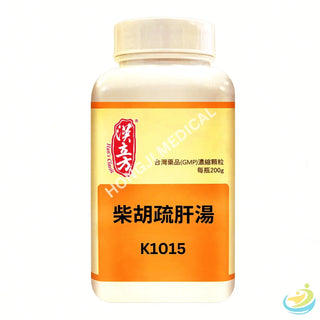
Chai Hu Shu Gan San

柴胡疏肝散 (Chái Hú Shū Gān Sǎn)

A focused Qi-regulating formula for Liver Qi stagnation with pain (especially hypochondriac or epigastric). Stronger moving action than Xiao Yao San and without significant Blood or Spleen tonification.

View Formula ProfileRead Complete Guide →

Yue Ju Wan

越鞠丸 (Yuè Jū Wán)

Classic formula for the Six Stagnations (Qi, Blood, Phlegm, Fire, Dampness and Food stagnation). Addresses chest and epigastric oppression, distension, indigestion and emotional constraint from multiple stagnations.

View Formula ProfileRead Complete Guide →

Si Ni San

四逆散 (Sì Nì Sǎn)

Classic formula for Liver Qi constraint causing cold extremities (true heat with false cold appearance) and hypochondriac/epigastric distension. Differs from Si Ni Tang which addresses true Yang collapse.

View Formula ProfileRead Complete Guide →

Xue Fu Zhu Yu Tang

血府逐瘀湯 (Xuè Fǔ Zhú Yū Tāng)

Famous formula for Blood stasis in the chest (Xue Fu), presenting with fixed chest or hypochondriac pain, headache, insomnia and emotional symptoms. Combines Blood-invigorating and Qi-moving herbs.

View Formula ProfileRead Complete Guide →

Chai Hu Jia Long Gu Mu Li Tang

柴胡加龍骨牡蠣湯 (Chái Hú Jiā Lóng Gǔ Mǔ Lì Tāng)

A Shang Han Lun formula for Shaoyang disorder with spirit disturbance — chest fullness, irritability, difficulty turning, delirium or restlessness — using Chai Hu to harmonise and Long Gu / Mu Li to settle.

View Formula ProfileRead Complete Guide →

Xiao Chai Hu Tang

小柴胡湯 (Xiǎo Chái Hú Tāng)

The foundational Shaoyang harmonising formula. Alternating chills and fever, bitter taste, dry throat, dizziness, chest and rib-side fullness, and a wiry pulse are classic presentations.

View Formula ProfileRead Complete Guide →

Show 13 more classical formulas

Chai Hu Gui Zhi Gan Jiang Tang

柴胡桂枝乾薑湯 (Chái Hú Guì Zhī Gān Jiāng Tāng)

A Shang Han Lun formula for Shaoyang disorder with fluid accumulation, presenting with alternating chills and fever, chest fullness, urinary difficulty, thirst without much drinking, and sweating of the head.

View Formula ProfileRead Complete Guide →

Zhi Shi Xie Bai Gui Zhi Tang

枳實薤白桂枝湯 (Zhǐ Shí Xiè Bái Guì Zhī Tāng)

A classical formula for chest bi from Yang deficiency with phlegm-Qi stagnation and chest oppression.

View Formula ProfileRead Complete Guide →

Xiao Xian Xiong Tang

小陷胸湯 (Xiǎo Xiàn Xiōng Tāng)

A classical Shang Han formula for phlegm-heat clumping in the chest with focal distension and pain on pressure.

View Formula ProfileRead Complete Guide →

Su Zi Jiang Qi Tang

蘇子降氣湯 (Sū Zǐ Jiàng Qì Tāng)

A classical formula for upper excess lower deficiency wheezing — phlegm above, Kidney Yang deficiency below.

View Formula ProfileRead Complete Guide →

Daily Support

Home Support Care for Chest Tightness

1. Acupressure for Daily Care

To quickly relieve chest discomfort and maintain heart and lung health, you can gently massage specific acupoints. Apply moderate pressure until you feel a mild, dull ache.

Key Acupoints for Chest Tightness Relief

  • Nei Guan: Located on the inner forearm, about two finger-widths above the wrist crease, between the two tendons. This is a master point for the heart and pericardium. Pressing this point for 3 to 5 minutes helps regulate Qi, calm the mind, and relieve chest tightness caused by poor circulation or stress.
  • Dan Zhong (Tan Zhong): Found right in the center of your chest, midway between the nipples. It is the gathering point of Qi in the body. Gently massaging this area in circular motions (50-100 times) opens up the chest, smooths breathing, and is highly effective for tightness caused by emotional stagnation.
  • Fei Shu: Located on your upper back, about 1.5 inches outward from the lower edge of the third thoracic vertebra. This point connects directly to the lungs. Massaging it helps stimulate lung function, clear the airways, and relieve chest tightness associated with respiratory issues or chronic coughing.
Chest Tightness

2. Food as Medicine (Dietary Therapy)

Recipes for Clearing Phlegm

If your chest feels heavy and suffocated due to dampness and phlegm, try incorporating these simple foods:

  • Tangerine Peel Porridge: Simmer 10g of Chen Pi (Tangerine Peel) with 100g of rice. Chen Pi is excellent for drying dampness and strengthening the digestive system, making it perfect for dissolving stubborn phlegm.
  • Radish and Tangerine Peel Soup: Boil 500g of white radish with 10g of Chen Pi (Tangerine Peel). The radish naturally helps energy move downward to clear congestion, while the tangerine peel dissolves the mucus causing the chest pressure.

Recipes for Invigorating Blood

For sharp, stabbing chest tightness caused by poor circulation and stress, focus on foods that move the blood:

  • Hawthorn and Peach Seed Drink: Boil 100g of Shan Zha (Hawthorn) and 10g of Tao Ren (Peach Seed), then mash and strain the juice (add a little honey for taste). Both ingredients are famous in TCM for breaking up blood stasis and improving circulation.
  • Rose Tea: Steeping 5g of dried rose petals in hot water creates a gentle daily tea. Rose is highly effective at soothing Liver Qi and relieving the chest tightness and rib discomfort that comes from anger or anxiety.

Recipes for Boosting Heart Qi

If your chest tightness worsens with fatigue and is accompanied by shortness of breath, you need to nourish your core energy:

  • Red Date and Longan Porridge: Boil 10 red dates, 10 longans, and 100g of rice. Both Hong Zao (Red Date) and Gui Yuan (Longan) deeply nourish the blood and calm the spirit, making this a great remedy for heart exhaustion.
  • Lotus Seed and Lily Bulb Soup: Simmer 30g of Lian Zi (Lotus Seed) and 30g of Bai He (Lily Bulb) with a small amount of lean pork. This combination hydrates the body, clears internal heat, and provides deep nourishment for an overworked heart and lungs.
Chest Tightness

Prevention

Preventive Care for Chest Tightness

Preventing chest tightness relies heavily on building a resilient cardiovascular and respiratory system through moderate, consistent movement. Engaging in regular aerobic exercises, such as jogging or swimming for 30 minutes a few times a week, significantly boosts your heart and lung function. This keeps your blood pumping efficiently and prevents the energy stagnation that leads to a heavy or painful chest. Always remember to warm up properly and avoid exercising to the point of extreme exhaustion, which can drain your Qi.

Equally important is managing your emotional health to keep your internal energy flowing smoothly. Mind-body practices like Tai Chi, yoga, or simply taking mindful walks in the fresh air are incredibly effective. These gentle activities not only improve physical coordination but also regulate your breathing, reduce anxiety, and release built-up stress, targeting the root emotional causes of chest tightness before they manifest physically.

Frequently Asked Questions About Chest Tightness

How does Traditional Chinese Medicine understand chest tightness?
In TCM, chest tightness (胸闷) reflects impaired movement of Qi in the chest, where the Heart and Lung reside. Liver Qi constraint, Phlegm-Damp obstruction, Blood stasis, Qi deficiency or Cold in the chest can all produce a sensation of oppression, fullness or restricted breathing. Sudden severe tightness must first be assessed as a possible medical emergency.
What are the common TCM patterns of chest tightness?
Frequent patterns include Liver Qi stagnation (tightness linked to stress, sighing), Phlegm-Damp in the chest (heavy oppression, greasy tongue coating), Heart Blood stasis (fixed tightness or stabbing pain), Heart-Lung Qi deficiency (tightness with fatigue and shortness of breath), and Cold constraining the chest Yang. Accurate pattern differentiation determines the treatment approach.
How does TCM regulate chest tightness?
The main principles are to regulate Qi, resolve Phlegm, invigorate Blood, tonify Heart-Lung Qi or warm Yang according to the pattern. Formulas such as modifications of Ban Xia Hou Po Tang, Gua Lou Xie Bai Bai Jiu Tang or Xue Fu Zhu Yu Tang may be considered only after serious cardiac or pulmonary causes are excluded. Internal treatment should be guided by a qualified TCM practitioner.
What dietary advice does TCM give for chest tightness?
Reduce greasy, heavy, very sweet and alcohol-containing foods that generate Phlegm. Eat regular, moderate meals and avoid overeating. For constraint patterns, light Qi-moving foods may be used; for deficiency patterns, easily digested nourishing foods are preferred. Specific choices should match the individual’s pattern under professional guidance.
What daily lifestyle measures help with chest tightness?
Practice slow breathing, keep regular sleep, and manage emotional tension. Gentle walking or stretching can help Qi move in the chest. Avoid smoking and prolonged sitting. If tightness occurs with exertion, stop activity and seek medical assessment.
Can acupuncture help chest tightness?
Yes, as a supportive method after urgent causes are excluded. Acupuncture can soothe the Liver, regulate chest Qi and calm the Shen. Points such as Nei Guan (PC6), Dan Zhong (CV17) and Tai Chong (LR3) may be selected according to the pattern. Treatment should be performed under professional supervision.
How long does TCM regulation for chest tightness usually take?
Mild Qi-constraint tightness may ease within 1–3 weeks. Phlegm, stasis or deficiency patterns often require several weeks. Any new, severe or exertional tightness should be medically evaluated immediately rather than waiting on herbal regulation.
Who should be cautious with TCM treatments for chest tightness?
People with known heart or lung disease, the elderly, pregnant women, and those with tightness on exertion require medical assessment first. Strong Blood-invigorating or Qi-moving herbs must not be used indiscriminately. Always consult a qualified TCM practitioner.
When should one seek urgent medical evaluation for chest tightness?
Seek emergency care for chest tightness with pain radiating to the arm or jaw, sweating, nausea, shortness of breath, fainting, irregular heartbeat, or sudden severe oppression. TCM regulation is complementary and cannot replace necessary cardiac or pulmonary diagnosis.
Does treatment of chest tightness require professional pattern differentiation?
Yes. Effective TCM regulation depends on accurate pattern differentiation (Qi stagnation versus Phlegm, Blood stasis versus deficiency). Using only soothing methods when stasis or deficiency is present may be ineffective. Self-diagnosis and self-medication are not recommended. Consultation with a qualified TCM practitioner is essential after serious causes are excluded.

Related Conditions

Explore the Complete Chest Tightness Condition Profile

Go deeper into the associated patterns, the classical formulas traditionally linked to each of them, and the products available.

Explore the Chest Tightness Condition Profile →

Medical Disclaimer — Traditional Chinese Medicine educational content on HJMEDICAL should not be used to delay appropriate medical evaluation. This article is provided for educational purposes only and describes traditional Chinese medicine concepts. It is not medical advice, and it is not intended to diagnose, treat, cure or prevent any disease. Always consult a qualified healthcare professional before starting any herbal formula, particularly if you are pregnant, nursing, taking medication or managing a diagnosed condition.

More Conditions & Care

Login

Forgot your password?

Don't have an account yet?
Create account

Chest Tightness: Syndrome Differentiation and Daily Care