Fruits and seedsTonifyingFructus Jujubae

Da Zao (Jujube / Chinese Date)

A practical guide to Da Zao: what it is, how Traditional Chinese Medicine uses it, the classical formulas it appears in, and who should be careful with it.

View Herb Profile →

Last reviewed Sep 25, 2026

Quick Facts

Latin NameFructus Jujubae
Chinese Name & Pinyin 大棗 · Da Zao
Medicinal PartFruits and seeds
The herbDa Zao is the dried ripe fruit of the jujube tree. Suan Zao Ren is the seed of sour jujube and a separate official drug. Fresh dates, honey dates, and date cakes are not the same as the decoction piece.
Nature and channelsSweet, warm. Enters the Spleen, Stomach, and Heart. Sweetness tonifies and moderates. Warmth supports the middle.
Pharmacopoeia lineTonifies the middle and boosts qi. Nourishes blood and calms the spirit. Used for spleen deficiency with poor appetite, fatigue and loose stools, and visceral agitation in women.
Pattern cuesPoor appetite. Fatigue and loose stools. Sallow face. Restless spirit. Insomnia. Weak pulse.
In this articleWhy the fruit is split in decoction. How Da Zao differs from Suan Zao Ren, Dang Gui, and Gan Cao. Why damp-heat and phlegm-damp should not eat many. Who should skip it.

What Is Da Zao?

Da Zao (大枣; Dà Zǎo; Latin: Jujubae Fructus; English: jujube / Chinese date) is the dried ripe fruit of Ziziphus jujuba Mill. In Chinese medicine it is a qi-tonifying herb that is also used as food. It is sweet and warm, enters the Spleen, Stomach, and Heart channels, and its core actions are to tonify the middle and boost qi, and to nourish blood and calm the spirit. The common name “red date” usually means this fruit. It is not Suan Zao Ren (sour jujube seed), which more strongly nourishes the Heart, calms the spirit, and constrains sweat. It is not the Mediterranean date (Phoenix dactylifera). That is a palm fruit and does not share Da Zao’s channel entry.

It is used most often for three patterns:

  • Spleen deficiency with poor appetite — fatigue, loose stools, sallow complexion
  • Blood deficiency with visceral agitation — restlessness, poor sleep, unexplained weeping or laughing
  • Harmonizing a formula — protecting the middle and softening harsh or bitter-cold herbs

Split or cut the fruit before decoction. The usual dose is 6–15 g (about 3–10 fruits, depending on size). Damp fullness, phlegm-damp obstruction, toothache from decay, and middle fullness with accumulation are a poor match for large daily amounts. Sweet warmth can cloy. This is not an unlimited snack.

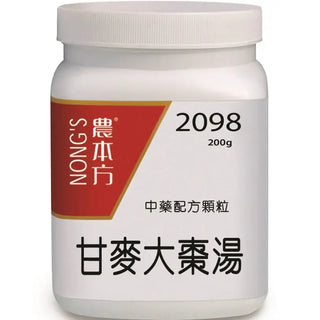
After overwork, worry, and irregular meals, fatigue, light sleep, and swinging moods are common. Da Zao is sweet-warm. It tonifies the middle and calms the spirit, which is why it appears in Gan Mai Da Zao Tang, Gui Pi Tang, and Zhi Gan Cao Tang. It tonifies more than it moves. Bloating, a greasy coating, and copious phlegm get worse if more dates are added.

Da Zao is not a catch-all blood-and-qi tonic. In interior damp-heat, qi stagnation with bloating, or when sugar intake must be limited, using it alone can generate dampness and stuff the middle. Food use or formula use should follow constitution and a licensed Chinese medicine practitioner’s pattern diagnosis.

Da Zao Chinese Date

Da Zao: Materia Medica Profile

Identification & Quality Standard

Fructus Jujubae

Botanical Origin

The dried mature fruit of Ziziphus jujube Mill.(Rhamnaceae).

Production Regions

Primarily produced in the Chinese provinces of Shanxi, Shaanxi, Hebei, Henan.

Quality Requirements

Superior medicinal material is large, red, fleshy and oily.

Macroscopic Features

Elliptical or spherical, 2~3.5cm long, 1.5~2.5cm diameter. Externally dark red, with slightly luster, and irregular wrinkles. Base is indented with short fruit stem. Exocarp is thin; mesocarp is yellowish-brown or pale brown, fleshy, soft, sugary and oily. Seed is fusiform, with pointy ends. Hard texture; faintly aromatic odor; sweet taste.

Traditional Origins and Quality Identification

The most highly regarded traditional growing regions (Dao Di) are in Henan, Hebei, and Shandong provinces, though final quality always depends on harvest timing and storage.

  • Regional Varieties: Henan Xinzheng dates are known for being large, meaty, and sweet. Hebei Cangzhou produces "Golden Silk" dates that are smaller with thin skin and high sugar. Shandong Leling dates are famous for being seedless with dense, elastic flesh.
  • Quality Check: Premium Da Zao is plump, firm, and boasts a bright red, smooth skin with a natural sweet aroma. Raw dates are vibrant and hard, while processed ones are darker and crisper.

Traditional Properties & Historical Lineage

Nature, Flavour & Channel Tropism

Sweet; WarmSpleenStomachHeart

1. Historical Records

This herb has been highly praised throughout TCM history:

  • Shen Nong Ben Cao Jing: Describes it as sweet and balanced, noting its ability to calm the stomach, nourish the Spleen, and harmonize other medicinal herbs.
  • Ming Yi Bie Lu: Highlights its role in boosting middle Qi, building physical strength, and clearing irritability.
  • Ben Cao Gang Mu: States it enters the Spleen, moistens the heart and lungs, generates body fluids, and improves complexion.

2. Evolution of TCM Understanding

Different historical physicians utilized Da Zao for distinct purposes:

  • For Nourishment: Masters like Li Dongyuan emphasized its powerful ability to replenish Qi and Blood, using it heavily for patients with profound Spleen/Stomach weakness.
  • For Harmonization: Other experts focused on its role as a "buffer" in herbal formulas, using its gentle sweetness to smooth out the harsh effects of stronger herbs and create a balanced synergy.
Da Zao Chinese Date

Core Efficacies & Traditional Applications

Traditional Functions

Supplements the center, boosts qi, nourishes blood, calms spirit. Apply to spleen deficiency patterns of poor appetite and sloppy stool, visceral agitation in women.

1. Primary Focus: Tonifying Middle Qi

  • Traditional Efficacy: Tonifies middle Qi, which means it supplements the Qi (energy) of the Spleen and Stomach, enhancing their digestive and transportive functions.
  • Target Symptoms: Commonly used for Spleen and Stomach weakness manifesting as poor appetite, abdominal bloating, loose stools, and fatigue.
  • Common Combinations: Often paired with Dang Shen (Codonopsis), Bai Zhu (Atractylodes Rhizome), and Fu Ling (Poria) to strengthen Qi and the Spleen. For example, in the classic formula Bu Zhong Yi Qi Tang (Tonify the Middle and Augment the Qi Decoction), Da Zao is combined with Huang Qi (Astragalus) and Ren Shen (Ginseng) to tonify middle Qi and lift sunken Yang.
  • When to Avoid Self-Use: Do not use Da Zao on your own if you experience severe abdominal bloating or pain, accompanied by vomiting and diarrhea (signs of an "excess" condition). In these cases, the Spleen and Stomach are overactive or severely imbalanced, and the tonifying effect of Da Zao might worsen the situation. Consult a professional first.

2. Secondary Focus: Nourishing Blood and Calming the Spirit

  • Traditional Efficacy: Nourishes the blood and calms the spirit, mainly targeting symptoms caused by insufficient Heart blood, such as palpitations, insomnia, a sallow complexion, and absent-mindedness.
  • Target Symptoms: Common in patterns of Qi and Blood deficiency.
  • Common Combinations: Often paired with Dang Gui (Angelica Root), Shu Di (Prepared Rehmannia), and Bai Shao (White Peony Root) to enhance blood nourishment. In the formula Gui Pi Tang (Restore the Spleen Decoction), Da Zao works with Long Yan Rou (Longan Aril) and Suan Zao Ren (Sour Jujube Seed) to nourish blood, calm the spirit, strengthen the Spleen, and nourish the Heart.
  • When to Avoid Self-Use: Do not use Da Zao on your own if you experience restlessness, insomnia with a bitter taste and dry throat, or dry stools (signs of "excess heat"). Because Da Zao is warm, it might fuel the fire and worsen these symptoms. Follow medical advice.

3. Common Single-Herb Pairings

  • Da Zao + Gan Cao (Licorice Root): Da Zao is sweet, tonifies middle Qi, nourishes blood, and calms the spirit. Gan Cao is sweet and neutral; it tonifies the Spleen, moistens the lungs, clears heat, and harmonizes other herbs. Together, they strongly enhance the tonification of Spleen Qi. In formulas like Zhi Gan Cao Tang (Honey-Fried Licorice Decoction), they work together to tonify Heart Qi and nourish Yin and Blood. This combination is powerful and should generally be used under a doctor's guidance.
  • Da Zao + Sheng Jiang (Fresh Ginger): Da Zao tonifies middle Qi and nourishes blood. Sheng Jiang releases the exterior, dispels cold, warms the middle, and stops vomiting. Together, Da Zao tempers the dispersing nature of Sheng Jiang, while synergistically enhancing its ability to warm the stomach, dispel cold, and harmonize the middle. This is seen in Gui Zhi Tang (Cinnamon Twig Decoction), where the pair harmonizes the constructive and defensive Qi (Ying and Wei) while protecting the Spleen and Stomach. Professional guidance is recommended to ensure correct usage.
Da Zao Chinese Date

Modern Research

Modern research offers useful context, but Traditional Chinese Medicine prescribes on whole-pattern diagnosis rather than isolated compounds.

1. Main Chemical Components and Effects

  • Nutritional Profile: It is rich in energy-providing sugars (glucose, fructose), immunity-boosting Vitamin C, B vitamins, amino acids, and essential minerals like iron and calcium.
  • Lab and Animal Studies: Research shows it possesses mild antibacterial properties and acts as an antioxidant to clear free radicals. Animal models suggest it may stimulate red blood cell production and enhance overall immune resistance.
  • Human Clinical Context: Preliminary studies indicate that regular consumption may help improve energy and blood circulation, potentially alleviating pale complexions and dizziness. However, individual responses vary.

2. Modern Pharmacological Directions

Current scientific interest is heavily focused on the immune-regulating and antioxidant capacities of Da Zao. Researchers are exploring its potential supportive role in managing chronic conditions like cardiovascular disease and metabolic imbalances, though more robust human trials are needed.

3. Limitations of Modern Research

  • Lab vs. Human Body: Success in test tubes or animal models does not automatically guarantee the same clinical efficacy in complex human systems.
  • Whole Herb vs. Extracts: Modern studies often use isolated chemical compounds or purified extracts. These do not replicate the holistic, synergistic effects of consuming traditionally prepared whole Da Zao.
  • Holistic Action: In TCM, an herb's power comes from the combined action of all its parts. You cannot judge the full therapeutic value of Da Zao based solely on one isolated chemical component.
Da Zao Chinese Date

Comparing Similar Herbs

1. Common Ground: Da Zao vs. Gui Yuan (Longan Aril)

  • Both provide nutritional supplementation and have tonifying effects.
  • Both are traditionally used for Qi and Blood deficiency symptoms like pale complexion and dizziness, and both appear in similar formulas or dietary therapy (like blood-nourishing medicinal meals).
  • Both require attention to dosage and individual constitution; weak individuals may need more, but overconsumption can cause discomfort.

2. Core Differences

  • Nature and Flavor: Da Zao is sweet and warm, entering the Spleen, Stomach, and Heart meridians, focusing on tonifying middle Qi and nourishing blood. Gui Yuan is sweet and warm, entering the Heart and Spleen meridians, but its tonifying action is generally stronger.
  • Clinical Focus: Da Zao emphasizes tonifying middle Qi, enhancing Spleen and Stomach function, and improving digestive weakness. Gui Yuan excels at nourishing blood and calming the spirit, making it better for insomnia and forgetfulness due to Heart blood deficiency.
  • Action Tendency (Qi Regulation): Da Zao boosts Spleen/Stomach Qi, aiding digestion with a slight lifting effect. Gui Yuan primarily nourishes Heart/Spleen blood and is more purely nourishing, with less effect on Qi regulation.
  • Target Symptoms: Da Zao is suited for digestive issues (poor appetite, bloating, loose stools) and blood deficiency signs (sallow complexion, palpitations). Gui Yuan is better for Heart/Spleen deficiency, insomnia, excessive dreaming, and memory decline.
  • Contraindications: Da Zao should not be used when there is internal excess pathogenic factors or damp-heat. Gui Yuan is warm and easily generates heat; it should be used with caution if you have phlegm-fire or Yin deficiency with hyperactive fire.
  • Usage Scenarios: Da Zao is common in formulas regulating digestion and in daily dietary therapy. Gui Yuan is more common in formulas for insomnia and palpitations (Heart/Spleen blood deficiency) or in rich, nourishing pastes and meals.

3. Summary of Differences

In short, Da Zao focuses on tonifying middle Qi and regulating the Spleen and Stomach, while Gui Yuan focuses on nourishing blood and calming the spirit. While both treat Qi and Blood deficiency, they are not interchangeable.

Da Zao Chinese Date

Classical Formulas Containing Da Zao

+8 more

Formulas vs. Single Herbs

  • Synergy is Key: A formula is a balanced team. The healing power comes from how the herbs interact, so a single herb cannot simply replicate a full formula's effects.
  • Holistic Balance: The exact dosage and combination in a formula affect the entire body. Never try to mix or alter these formulas at home based on internet articles.

Diet & Daily Home Use

1. Home Recipes and Teas

  • Da Zao and Gui Yuan Porridge:
    • Ingredients: 10 Da Zao, 15g Gui Yuan (Longan Aril), 100g rice.
    • Method: Wash and pit the dates, shell and pit the longan, and wash the rice. Put everything in a pot with water, bring to a boil, then simmer until the rice is soft.
    • Use Case: Good for Qi and blood deficiency (pale complexion, dizziness, palpitations, insomnia).
    • Avoid If: You have internal damp-heat or phlegm-fire.
    • Frequency: 2-3 times a week. Note: Keep portions moderate to avoid "internal heat."
  • Da Zao and Gou Qi (Goji Berry) Tea:
    • Ingredients: 5 Da Zao, 10g Gou Qi.
    • Method: Wash and slice the dates, wash the goji berries. Place in a cup, steep with boiling water for 10-15 minutes.
    • Use Case: Suitable for Liver/Kidney deficiency and Qi/Blood weakness (sore lower back/knees, dizziness, declining vision).
    • Avoid If: You have a cold, fever, weak Spleen/Stomach, or indigestion.
    • Frequency: Once daily.

2. Decoction and Processing Differences

  • Processing: Raw Da Zao is harder and stronger, focusing on nourishing blood and calming the spirit. Chao Da Zao (Stir-baked) is slightly yellow and better for strengthening the Spleen and Stomach. Jiao Da Zao (Charred) is dark brown and excels at aiding digestion and stopping diarrhea.
  • Cooking Method: Da Zao generally doesn't require special boiling methods and can be cooked with other herbs. If paired with hard herbs that need long boiling, Da Zao can be boiled long as well to enhance synergy.
  • Home Boiling: Wash the dates, place them in a pot with other herbs, add water, soak for about 30 minutes, bring to a boil, and simmer for 20-30 minutes.
  • Dosage Forms: You cannot directly swap the dosage of raw herbs (Yin Pian) with patent medicines (Zhong Cheng Yao). Patent medicines are standardized, while raw herbs are customized based on the patient's specific needs.

3. Dosage and Usage Cycle

  • Traditional Dosage: Typically 6-15 grams in a clinical prescription, though this varies based on the patient's condition.
  • Dietary vs. Medicinal: Dietary use is smaller (usually 3-5 dates per serving). Medicinal doses prescribed by a doctor are usually larger.
  • Avoid Long-Term Continuous Use: Prolonged continuous use may generate internal damp-heat, causing bloating and indigestion. It's best to take breaks.
  • Special Populations: Pregnant women, children, the elderly, and those with chronic diseases must consult a professional before use.
Da Zao Chinese Date

Contraindications & Safety Warnings

1. Inappropriate Populations

  • Specific Constitutions: Avoid if you have internal damp-heat, phlegm-fire, or food stagnation, as Da Zao can worsen these, causing bloating, pain, or constipation.
  • Pregnancy and Nursing: Use with caution. While nourishing, overconsumption can cause gastrointestinal distress and potentially affect the baby. Consult a doctor.
  • Children and the Elderly: Children (developing systems) should not overeat dates to avoid digestive issues. The elderly with weak Spleen/Stomach function should also consume in moderation.
  • Liver/Kidney Impairment: If your metabolism and detoxification functions are compromised, Da Zao might add burden. Consult a doctor.
  • Allergies: Avoid if you are allergic to dates or other plants in the buckthorn family.
  • Undergoing Special Treatments: If you are undergoing chemotherapy, radiation, or taking specific medications, consult your doctor before using Da Zao, as interactions may occur.

2. Drug Interactions and Dietary Notes

  • Medication Interactions: While general "food combinations to avoid" are often unproven, herbs can interact with drugs. Because Da Zao contains sugar, excessive consumption might affect blood sugar control in diabetics taking medication. It may also interact with anticoagulants (like Warfarin), blood pressure medications, or sedatives.
  • Absorption and Metabolism: Da Zao might affect how some medications are absorbed in the gastrointestinal tract.
  • Spacing: If taking other medications, separate them from Da Zao consumption by about 1-2 hours to minimize potential interactions.
  • Food Myths: There is no strong evidence for "food clashing" with Da Zao, but it's best to avoid eating it simultaneously with cold, raw, or greasy foods to prevent digestive upset.

3. Adverse Reactions and Overdose Risks

  • Potential Discomfort: Overeating Da Zao can cause bloating, abdominal pain, indigestion, diarrhea, or symptoms of internal damp-heat like dry mouth, bitter taste, sore throat, or acne.
  • Emergency Protocol: If you experience severe discomfort, allergic reactions, continuous vomiting, breathing difficulties, confusion, or rapid worsening of symptoms, stop use immediately and seek medical attention to avoid delaying treatment.

Frequently Asked Questions About Da Zao

What is Da Zao? Is it the same as Hong Zao, Hei Zao or Suan Zao Ren?
Official Da Zao (大枣) is the dried ripe fruit of Ziziphus jujuba Mill. The pharmacopoeial name is Jujubae Fructus. Everyday red dates (Hong Zao) are this fruit; medicine usually uses the red form. Hei Zao (“black dates”) may be further-processed jujube or a different plant such as Diospyros lotus—not automatically the official drug. Suan Zao Ren is the seed of sour jujube, a separate Heart-calming herb. Split or pit Da Zao when decocting.
What are the TCM properties and traditional uses of Da Zao?
According to the Chinese Pharmacopoeia, Da Zao is sweet and warm, enters the Spleen, Stomach and Heart channels, and acts to tonify the middle and benefit Qi, and nourish Blood to calm the spirit. It is used for Spleen deficiency with poor appetite, fatigue and loose stool, and for visceral agitation in women. Sweet-warm to tonify the Spleen, it also nourishes Heart Blood and moderates other herbs—both a dual-use food and the formula’s usual protector of Stomach Qi.
Why is Da Zao so often paired with Sheng Jiang in formulas?
Gui Zhi Tang and Xiao Chai Hu Tang pair ginger and jujube: ginger is acrid and harmonizes the Stomach; jujube is sweet and protects the middle. One disperses, one tonifies—they harmonize Ying and Wei, shield Stomach Qi and soften harsh drugs. Jujube also eases the insult of Ting Li Zi, Gan Sui, Da Ji and Yuan Hua on the digestion. That is a pairing role, not a license to eat more and more. When damp obstructs the middle, sweet dates hold the pathogen.
What is the usual dosage? Can it be eaten as a daily snack?
The pharmacopoeial decoction dose is 6–15 g (a few fruits). Culinary amounts should be smaller. It is a dual-use food-and-medicine fruit for soups and dishes, but not an unlimited four-season brown-sugar tonic. Phlegm-damp bloating, dental disease and focal distention with vomiting grow worse with more of it. Diabetes, obesity and cavities need a cap on total sugar. Split or pit the fruit so the decoction extracts well.
What are the contraindications of Da Zao?
Do not take much in phlegm-damp accumulation, epigastric fullness, dental disease or worm accumulation. Sweet-warm cloying assists damp and heat and burdens the Stomach. Avoid it in focal distention and vomiting. If “black dates” are actually Diospyros lotus, a large empty-stomach load of tannin can cake with gastric acid. Avoid it in jujube allergy. Reduce or stop if the mouth turns sticky, the belly swells, phlegm increases or toothache worsens.
Can Da Zao nourish Blood, calm the spirit and treat visceral agitation?
It can help. Sallow fatigue, poor appetite and loose stool from Spleen Qi-Blood deficiency are its core job. Visceral agitation with unexplained grief is classically paired with licorice and wheat in Gan Mai Da Zao Tang. It nourishes Blood generated by the middle burner—not a direct Blood tonic like Ass-hide glue or Angelica. Insomnia from phlegm-heat or Liver fire may grow more restless on sweet dates. Severe depression needs psychiatric assessment.
How do you choose between Da Zao and Suan Zao Ren?
Da Zao is the fruit: sweet-warm, tonifies the Spleen, nourishes Blood, calms the spirit and harmonizes Ying and Wei. Suan Zao Ren is the seed: sweet-sour and neutral, nourishes Heart and Liver, astringes sweat and generates fluid, specific for deficient restlessness and insomnia. Choose jujube for Spleen deficiency, visceral agitation and protecting the middle; choose the seed for Heart-Liver Blood deficiency and sleepless nights. They may be paired, but eating red dates does not replace sour-jujube seed. Do not mix the names on a script.
Which is more “tonic,” red dates or black dates?
Medicine follows the official red jujube (Da Zao). Some “black dates” are only smoked or reprocessed jujube; others are Diospyros lotus, with different constituents—not a license to market them as “more Blood-tonifying.” Gan Mai Da Zao Tang uses Da Zao, not date-plum. Read the botanical source; do not follow “blacker is more tonic” marketing.
Which herbs is Da Zao combined with? What are the representative formulas?
With ginger and cinnamon twig it harmonizes Ying and Wei in Gui Zhi Tang. With Bupleurum, Scutellaria and ginger it sits in Xiao Chai Hu Tang. With licorice and wheat it forms Gan Mai Da Zao Tang for visceral agitation. Spleen-Blood formulas join Astragalus, Angelica and longan, as in Gui Pi Tang. With harsh drugs it protects the Stomach. Limit the number of fruits when damp obstructs the middle.
How do you choose and store Da Zao?
Choose large, thin-skinned, glossy red fruits with thick flesh, a small pit, a sweet taste and no sour-wine smell. Store dry, protected from insects and mold. Discard sticky, wormy or sharply sulfurous lots. Buy labeled Da Zao or red dates, and distinguish Diospyros “black dates.” Use food-grade or official fruit from a regulated source; split or pit it for decoction.

Medical Disclaimer — This article is provided for educational purposes only and describes traditional Chinese medicine concepts. It is not medical advice, and it is not intended to diagnose, treat, cure or prevent any disease. Always consult a qualified practitioner before using any herb, particularly if you are pregnant, nursing, taking medication or managing a diagnosed condition.

More Chinese Herbs

Login

Forgot your password?

Don't have an account yet?
Create account

Da Zao (Chinese Date): Tonify the Middle, Nourish Blood, and Calm the Spirit