Zoological substancesWind-extinguishingConcha Ostreae

Mu Li (Oyster Shell)

牡蠣 · Mu Li

Wind-extinguishing herb in Traditional Chinese Medicine. Traditional functions: Calms spirit by heavily settling, subdues yang, supplements yin, softens hardness and disperses binds.

In-Depth Guide

Want to learn more about Mu Li?

Read our in-depth guide →

Quick Facts

Latin NameConcha Ostreae
Chinese Name & Pinyin牡蠣 · Mu Li
Medicinal PartZoological substances
Efficacy CategoryWind-extinguishing
Botanical OriginThe shell of Ostrea gigas Thunberg, Ostrea talienwhanensis Crosse or Ostrea rivularis Gould.(Ostreidae). Harvest year-round, removes flesh, clean and dry.
Nature & FlavourSalty; Slightly cold
Channels EnteredLiver, Kidney

What Is Mu Li?

Mu Li (Oyster Shell) is a medicinal herb of Traditional Chinese Medicine.

Primarily produced along the coast in the Chinese provinces of Fujian, Shandong, Liaoning, and Guangdong.

Nature & Flavour: Salty; Slightly cold
Channels Entered: Liver, Kidney

Mu Li: Materia Medica Profile

Identification & Quality Standard

Concha Ostreae

Botanical Origin

The shell of Ostrea gigas Thunberg, Ostrea talienwhanensis Crosse or Ostrea rivularis Gould.(Ostreidae). Harvest year-round, removes flesh, clean and dry.

Production Regions

Primarily produced along the coast in the Chinese provinces of Fujian, Shandong, Liaoning, and Guangdong.

Quality Requirements

Superior medicinal material has firm texture, clean inner surface, white color.

Macroscopic Features

Ostrea gigas Thunberg: Long lumps, dorsal and ventral edges are mostly parallel, 10~50cm long, 4~15cm tall. Right shell is relatively small, scale is firm and thick, layered or layered arranged. Outer surface is flat or with numerous depressions, pale purple, grayish-white or yellowish-brown, inner surface is porcelain-white, two sides of apex have no small teeth. Left shell deeply indented, relatively large scales, apex has small attachment. Hard texture. Layered fractured surface, white. faint odor, slightly salt taste. Ostrea talienwhanensis Crosse: Sub-triangular, dorsal and ventral sides are separated. Right shell outer surface is pale yellow, with loose eccentric scales undulating wavy shape, inner surface is white. Eccentric scales of left shell are firm and thick, numerous radial rays from the apex to the ribs, obvious, inner surface is indented forming box-like shape, and linked surface is small. Ostrea rivularis Gould: Round, oval-triangular, right shell surface is slightly uneven, gray, purple, brown, yellow, ringed-shaped concentric scales, young shell has thin and brittle scales, after growing for years, the scales become layered, the inner surface is white, and edges are slightly pale purple.

Traditional TCM Properties

Salty; Slightly coldLiverKidney

Traditional Functions

Calms spirit by heavily settling, subdues yang, supplements yin, softens hardness and disperses binds. Apply to palpitation and insomnia, dizziness and tinnitus, scrofula, abdominal mass and fullness binds. Duan mu li astringes and secures with astringency. Apply to sweating and night sweating, spermatorrhea, metrorrhagia and vaginal discharge, stomach pain and regurgitation.

How Mu Li Is Used in TCM

In the Chinese materia medica, Mu Li is classified among the Wind-extinguishing herbs. It appears in 5 classical formulas in our library.

Formulas containing Mu Li are traditionally used for:

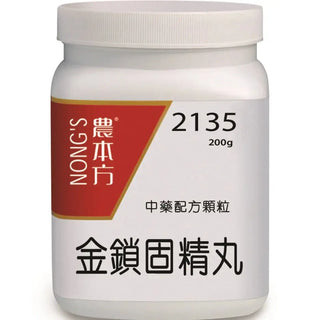
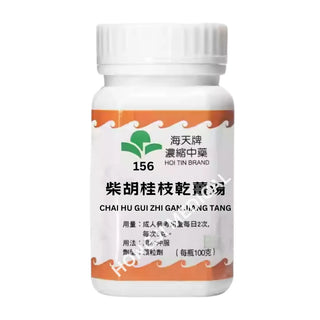
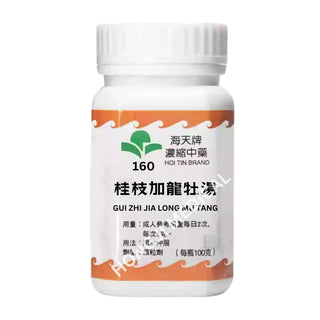
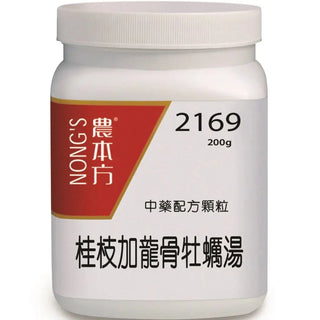
Anxiety RestlessnessInsomniaChest TightnessEmotional DepressionDizziness & VertigoHeadacheFrequent NocturiaLow LibidoPremature EjaculationFeverDry Mouth & ThroatAbdominal Pain

Classical Formulas Containing Mu Li

+1 more

Frequently Asked Questions

What is Mu Li? Are Sheng Mu Li, Duan Mu Li, Long Gu and edible oysters the same?
Official Mu Li (牡蛎) is the shell of Ostrea gigas, O. talienwhanensis or O. rivularis. The pharmacopoeial name is Ostreae Concha. Sheng Mu Li is washed and crushed: better at heavily settling the spirit, submerging Yang and supplementing Yin, and softening hardness to dissipate binds. Duan Mu Li is calcined until brittle: better at astringing and securing, and restraining acid to stop pain. Long Gu is fossilized mammal bone: sweet-astringent-neutral, settles fright, subdues Liver Yang and astringes—classically paired. Edible oysters are the flesh, not shell slices. Do not swap in oyster meat or an equal weight of mother-of-pearl. Write Sheng Mu Li or Duan Mu Li, crush and decoct first.
What are the TCM properties and traditional uses of Mu Li?
According to the Chinese Pharmacopoeia, Mu Li is salty and slightly cold, enters the Liver, Gallbladder and Kidney channels. Raw shell acts to heavily settle the spirit, submerge Yang and supplement Yin, and soften hardness to dissipate binds, for fright palpitations and insomnia, dizziness and tinnitus, scrofula and phlegm nodes, and concretions and glomus. Calcined shell acts to astringe and secure, and restrain acid to stop pain, for spontaneous and night sweating, seminal emission, flooding and spotting and vaginal discharge, and stomach pain with acid swallowing. Salty-cold and heavy—suited to Yin deficiency with Yang hyperactivity and slippage, not to Spleen-Stomach deficient cold or constipation.
How do you choose raw versus calcined Mu Li? Why decoct first?
Fright palpitations, dizziness, scrofula and masses use Sheng Mu Li; sweating, emission, flooding-discharge and acid stomach pain use Duan Mu Li. The shell is hard and yields poorly; the pharmacopoeia requires 9–30 g, crushed and decocted first for about 20–30 minutes before the other herbs. Calcining eases crushing and strengthens restraining acid and securing. Over-calcining to calcium oxide is too irritating—use regulated slices.
Read the complete guide →

Learn More About Mu Li

Explore our in-depth article covering the traditional uses, properties, functions, and TCM context of Mu Li.

Read the Mu Li Guide →

Medical Disclaimer — This article is provided for educational purposes only and describes traditional Chinese medicine concepts. It is not medical advice, and it is not intended to diagnose, treat, cure or prevent any disease. Always consult a qualified practitioner before using any herb, particularly if you are pregnant, nursing, taking medication or managing a diagnosed condition.

Login

Forgot your password?

Don't have an account yet?
Create account