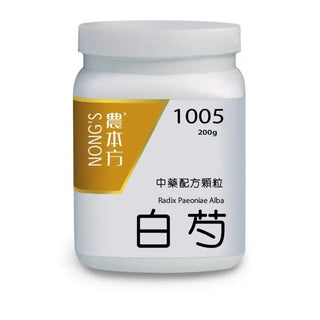
Roots and rhizomesTonifyingRadix Paeoniae Alba

Bai Shao (White Peony Root)

A practical guide to Bai Shao: what it is, how Traditional Chinese Medicine uses it, the classical formulas it appears in, and who should be careful with it.

View Herb Profile →

Last reviewed Oct 03, 2026

Quick Facts

Latin NameRadix Paeoniae Alba
Chinese Name & Pinyin 白芍 · Bai Shao
Medicinal PartRoots and rhizomes
The herbBai Shao is the peeled, boiled, dried root of cultivated peony. It is not the garden peony flower. It is not Chi Shao (red peony root). Chi Shao cools blood and moves stasis. Bai Shao nourishes blood and softens the Liver. Common forms: raw, dry-fried, wine-fried.
Nature and channelsBitter, sour, slightly cold. Enters the Liver and Spleen. Bitterness drains. Sourness constrains. Slight cold clears deficiency heat.
Pharmacopoeia lineNourishes blood and regulates menstruation. Constrains yin and stops sweating. Softens the Liver and relieves pain. Calms Liver yang. Used for sallow complexion, irregular periods, sweating, flank or abdominal pain, limb cramps, headache and dizziness.
Pattern cuesPale or sallow face. Irregular or painful periods. Day or night sweats. Flank pain. Abdominal cramps. Tight limbs. Headache and dizziness. Pale tongue. Wiry, thin pulse.
In this articleWhen to use raw, fried, or wine-fried Bai Shao. How it differs from Chi Shao, Dang Gui, and Bai Zhu. Dose, incompatible herbs, and who should skip it.

What Is Bai Shao?

Bai Shao (白芍; Bái Sháo; Latin: Paeoniae Radix Alba; English: white peony root) is the dried root of Paeonia lactiflora Pall. The root is peeled, briefly boiled, then dried. In Chinese medicine it is a blood-nourishing herb. It is bitter, sour, and slightly cold, enters the Liver and Spleen channels, and its core actions are to nourish blood and regulate menstruation, constrain yin and stop sweating, soften the Liver and relieve pain, and calm ascendant Liver yang.

It is used most often for three patterns:

  • Blood deficiency affecting the cycle — sallow complexion, irregular periods, menstrual cramps
  • Liver–Spleen disharmony / tight sinews — flank pain, abdominal cramps, limb spasms
  • Yin failing to hold yang — headache and dizziness, spontaneous sweating, night sweats

Raw Bai Shao is better for calming the Liver and constraining yin. Dry-fried Bai Shao is milder and better for nourishing blood. Wine-fried Bai Shao is better for regulating the cycle and relieving pain. The usual decoction dose is 6–15 g. Do not combine it with Li Lu (veratrum). It is a poor fit used alone in yang-deficiency cold or loose stools.

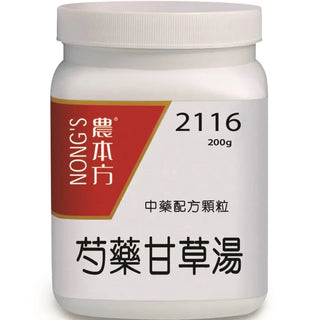
In fast-paced cities such as Hong Kong, Liver blood often runs low and Liver qi knots easily: period pain, calf or neck cramps, tension headaches, and sweating with stress are common. Bai Shao nourishes Liver blood without drying, and eases spasm without force. That is why it appears in Si Wu Tang, Xiao Yao San, and Shao Yao Gan Cao Tang. Raw or wine-fried should follow pattern diagnosis.

Bai Shao is not a catch-all for pain or irregular periods. In deficiency-cold diarrhea, or while an exterior cold pattern is still active, using it alone or in large amounts can burden the spleen. Whether it suits you should be decided by a licensed Chinese medicine practitioner after pattern diagnosis.

Bai Shao White Peony Root

Bai Shao: Materia Medica Profile

Identification & Quality Standard

Radix Paeoniae Alba

Botanical Origin

The dried root of Paeonia lactiflora Pall. (Ranunculaceae).

Production Regions

Primarily produced in Chinese provinces of Anhui, Sichuan, Zhejiang.

Quality Requirements

Superior medicinal material is thick and long, even, straight, and firm, with a white and powdery fractured surface and lean external surface.

Macroscopic Features

Root is cylindrical, evenly thick and straight, 10~20cm long, 1~1.8cm diameter. Externally pale reddish-brown or pink white; flat or with obvious longitudinal wrinkles and rootlet scars; brown scars at the position of remained cork; occasionally presents with horizontal lenticels. Firm and heavy texture, hardly broken. Fractured surface is grayish-white or with slightly brown; xylem is radial chrysanthemum-like, with obvious layers of rings. Faint odor; taste slightly bitter and sour.

Sourcing and Quality Identification

Traditionally, the highest quality roots come from places like Dongyang (Zhejiang), Bozhou (Anhui), and Zhongjiang (Sichuan).

  • Appearance: A high-quality root is cylindrical, solid, and hard to break. The surface is pale reddish-brown to whitish, while the inside is relatively flat and powdery.
  • Aroma and Taste: It has a faint fragrance and a slightly bitter, sour taste.
  • Effects of Processing:
    • Raw: Best for nourishing blood and regulating menstruation.
    • Dry-fried: Gentler on the stomach, focuses on harmonizing the body and stopping sweats.
    • Wine-prepared: Better for pain relief and blood flow.
    • Vinegar-prepared: Specifically targets the Liver to soothe emotional blockages and depression.
  • Don't Confuse It: Be careful not to confuse it with Chi Shao (Red Peony Root), which looks rougher, has a darker brown skin, breaks easily, and is used to disperse heat rather than nourish.

Traditional Properties & Historical Lineage

Nature, Flavour & Channel Tropism

Bitter, Sour; Slightly coldLiverSpleen

1. Historical Records

This herb has been highly valued for thousands of years:

  • Shen Nong Ben Cao Jing (Divine Farmer's Materia Medica) noted its ability to treat abdominal pain and clear blood blockages.
  • Ben Cao Gang Mu (Compendium of Materia Medica) perfectly summarized its role: white peony nourishes and holds things in, while red peony disperses. Bai Shao is the master of blood-level conditions.

2. Evolution of Understanding

Over centuries, TCM doctors have highlighted different aspects of this versatile root:

  • Nourishing Blood: Many praise its ability to ease rib pain and regulate menstrual cycles by deeply nourishing Liver blood.
  • Stopping Sweats: Others rely on its sour, astringent nature to treat spontaneous daytime sweating or night sweats.
  • Caution: While excellent for blood deficiency and Liver stagnation, modern practitioners always note its "cold" nature—it must be used carefully by anyone with a weak or cold digestive system.
Bai Shao White Peony Root

Core Efficacies & Traditional Applications

Traditional Functions

Nourishes the blood, regulates menstruation, calms the liver, relieves pain, astringes yin, stops sweating. Apply to thoracic, abdominal and costal pains, abdominal pain due to dysentery, spontaneous perspiration and night sweat, fever with yin deficiency, irregular menstrual periods, metrorrhagia and metrostaxis, leukorrhea.

1. Primary Focus: Nourishing Blood & Regulating Menstruation

  • Traditional Efficacy: Deeply nourishes the blood to support a healthy, regular menstrual cycle with a normal flow.
  • Target Symptoms: Often used for conditions driven by "blood deficiency," such as irregular periods, cramps, or missing periods. Common signs include a pale or sallow complexion, dizziness, palpitations, insomnia, and abdominal pain with light-colored flow.
  • Common Combinations: Typically paired with herbs like Dang Gui (Angelica Root) and Shu Di Huang (Prepared Rehmannia Root) to boost its blood-nourishing power. A classic example is Si Wu Tang (Four-Substance Decoction), which is famous for treating blood deficiency and stagnation.
  • Caution: If you suspect you have blood deficiency, consult a TCM practitioner before long-term use. Bai Shao (White Peony Root) should be used with extreme care if you have a cold/weak digestive system or loose stools. Always seek medical help if symptoms are severe or persistent.

2. Secondary Focus: Softening the Liver & Relieving Pain

  • Traditional Efficacy: "Softens" the Liver, smooths out Liver Qi, and relieves pain.
  • Target Symptoms: Ideal for rib/flank pain, stomachaches, or abdominal cramps caused by Liver Qi stagnation or Liver blood deficiency. People with these imbalances often experience bloating, mood swings, depression, irritability, and poor appetite.
  • Common Combinations: Frequently used alongside Chai Hu (Bupleurum Root) and Zhi Ke (Bitter Orange) to help move Qi and relieve pain. The famous formula Xiao Yao San (Free and Easy Wanderer Powder) uses Bai Shao (White Peony Root) and Chai Hu (Bupleurum Root) to soothe the Liver, lift the mood, and strengthen digestion.
  • Caution: Do not self-diagnose or self-medicate blindly. If your pain continues or worsens, consult a doctor immediately.

3. Common Herb Pairs

  • Bai Shao + Chai Hu: Bai Shao (White Peony Root) nourishes the blood and softens the Liver, while Chai Hu (Bupleurum Root) moves stagnant Liver Qi. Together, they are a perfect team for relieving stress-related tension and blood deficiency.
  • Bai Shao + Gan Cao: Bai Shao (White Peony Root) holds in the Yin fluids, and Gan Cao (Licorice Root) gently boosts energy and stops spasms. Combined, they are traditionally used to relieve sudden muscle cramps, stomachaches, and abdominal pain. (Always use under practitioner guidance).
Bai Shao White Peony Root

Modern Research

Modern research offers useful context, but Traditional Chinese Medicine prescribes on whole-pattern diagnosis rather than isolated compounds.

1. Key Chemical Components

Modern science has identified several active compounds in Bai Shao (White Peony Root), most notably paeoniflorin, along with volatile oils and benzoic acid.

  • Lab Findings: In lab settings, these compounds show anti-inflammatory and pain-relieving properties.
  • Physical Effects: Animal studies show it can help regulate the endocrine system and relax smooth muscles (like the uterus), which explains its traditional success in treating menstrual cramps.

2. Modern Pharmacological Focus

Current research primarily focuses on its potential cardiovascular benefits. Early studies suggest it may help expand coronary arteries and improve blood flow. Researchers are also exploring its potential to regulate the immune system.

3. Limitations of Modern Research

While modern science provides helpful clues, it's important to remember:

  • Lab vs. Life: Test tube and animal results don't always perfectly translate to complex human bodies.
  • Extracts vs. Whole Herb: Taking an isolated chemical extract is not the same as drinking a traditional herbal tea. Traditional medicine relies on all the compounds in the plant working together synergistically.
  • Holistic View: You cannot judge the full healing power of Bai Shao (White Peony Root) based on just one isolated active ingredient.
Bai Shao White Peony Root

Comparing Similar Herbs

1. Common Ground: Bai Shao vs. Dang Gui

  • Both Bai Shao (White Peony Root) and Dang Gui (Angelica Root) are excellent at nourishing the blood.
  • They frequently appear together in the same formulas or dietary recipes for treating irregular menstruation.
  • Both require careful attention to dosage and your personal body constitution to avoid straining your system.

2. Core Differences

  • Properties: Bai Shao (White Peony Root) is slightly cold and sour (which means it "astringes" or holds things in). Dang Gui (Angelica Root) is warm, sweet, and spicy (which means it moves and disperses).
  • Core Strengths: Bai Shao excels at calming the Liver, stopping pain, and preserving fluids. Dang Gui is better at actively moving blood, breaking up stagnation, and moistening the intestines.
  • Direction of Action: Bai Shao pulls energy inward to prevent Qi from scattering, while Dang Gui pushes energy outward to promote circulation.
  • Target Symptoms: Choose Bai Shao for pale skin, dizziness, and rib pain from a tense Liver. Choose Dang Gui for dull skin, cold-induced menstrual cramps, missing periods, or traumatic injuries.
  • Contraindications: Avoid Bai Shao if you have a cold stomach or chronic diarrhea. Avoid Dang Gui if you have excessive bodily dampness or active diarrhea.

3. Summary of Differences

In a nutshell: Bai Shao (White Peony Root) focuses on nourishing blood, holding it in, and calming pain. Dang Gui (Angelica Root) focuses on nourishing blood, moving it around, and warming the body. Even though both treat blood deficiency, they are not interchangeable.

Classical Formulas Containing Bai Shao

+8 more

Formulas vs. Single Herbs

  • The Power of Synergy: A TCM formula is a precise combination of herbs working together. A single herb like Bai Shao (White Peony Root) cannot replace the comprehensive healing effects of a complete formula.
  • Avoid DIY Prescriptions: Never try to mix these formulas yourself using online guides. Incorrect dosages or improper herbal combinations can reduce effectiveness or harm your health.

Diet & Daily Home Use

1. Home Recipes & Teas

  • Bai Shao & Goji Berry Tea:
    • Ingredients: 10g Bai Shao (White Peony Root), 15g Goji berries.
    • Preparation: Brew with boiling water and steep for 10-15 minutes.
    • Best For: Relieving dizziness, blurry vision, and lower back soreness caused by Liver and Kidney Yin deficiency.
    • Caution: Do not drink if you have a cold Spleen/Stomach. Recommended 3 times a week.
  • Bai Shao Rice Congee:
    • Ingredients: 15g Bai Shao (White Peony Root), 100g rice, a little sugar.
    • Preparation: Boil the herb in water, remove the herb, and use the herbal liquid to cook the rice into a soft porridge.
    • Best For: Pale complexion, dizziness, and insomnia due to Qi and blood deficiency.
    • Caution: Avoid if you experience bloating or loose stools. Recommended 2-3 times a week.

2. Preparation & Brewing Differences

  • Processing Matters: Raw Bai Shao is best for nourishing blood and stopping sweating. When stir-fried, its cold nature is reduced. Vinegar-baked Bai Shao is the strongest for directing the medicine to the Liver and relieving depression, while earth-fried helps strengthen the digestive system.
  • Home Brewing: Soak the raw herbs in water for about 30 minutes, then simmer on low heat for 20-30 minutes. Always follow your practitioner's specific instructions regarding forms (powders, pills, or teas) as they are not directly interchangeable.

3. Dosage & Usage Cycle

  • Standard Dosage: A typical clinical dose ranges from 5 to 15 grams. Dietary doses used in soups or teas should be much smaller.
  • Duration: Do not use Bai Shao (White Peony Root) continuously for long periods.
  • Special Populations: Pregnant women, children, the elderly, and individuals with liver or kidney issues must consult a doctor before use.
Bai Shao White Peony Root

Contraindications & Safety Warnings

1. Who Should Avoid It

  • Cold Digestion: Strictly avoid if you have a "cold" body constitution or suffer from frequent diarrhea and a weak stomach.
  • Special Groups: Pregnant and nursing women must exercise extreme caution as it may affect the baby. Children and the elderly should only use it under medical supervision.
  • Allergies: Do not use if you are allergic to plants in the peony family.

2. Medication Clashes & Dietary Notes

  • Drug Interactions: Bai Shao (White Peony Root) may interact with prescription medications, especially blood thinners (increasing bleeding risk), blood pressure medications, and sedatives.
  • Professional Advice: Always inform your doctor or pharmacist about your herbal use if you are taking western medications to avoid dangerous interactions.

3. Adverse Reactions & Overdose Risks

  • Common Side Effects: May cause gastrointestinal discomfort, such as stomach pain, nausea, vomiting, or diarrhea.
  • Overdose Warnings: Taking too much can lead to dizziness, severe fatigue, palpitations, and muscle spasms.
  • Emergency Action: If you experience allergic reactions, breathing difficulties, continuous vomiting, or rapid worsening of symptoms, stop using it immediately and seek emergency medical care.

Frequently Asked Questions About Bai Shao

What is Bai Shao, and is it the same as peony flowers or Chi Shao?
Bai Shao (白芍) is the dried root of cultivated peony, Paeonia lactiflora Pall. The pharmacopoeial name is Paeoniae Radix Alba. After harvest it is boiled, peeled and dried. Ornamental peony flowers are not the medicinal. Chi Shao (red peony root) may be the same species or Paeonia veitchii, usually unpeeled and sun-dried. Classically, white supplements and astringes; red scatters and drains. They are not interchangeable. Hangzhou Bai Shao is a well-known commercial grade.
What are the TCM properties and traditional uses of Bai Shao?
According to the Chinese Pharmacopoeia, Bai Shao is bitter, sour and slightly cold, enters the Liver and Spleen channels, and acts to nourish Blood and regulate menses, astringe Yin and stop sweating, soften the Liver and relieve pain, and calm Liver Yang. It is used for sallow Blood deficiency, irregular menses, spontaneous or night sweating, flank or abdominal pain, cramping of the limbs, headache and dizziness. It both nourishes Liver Blood and restrains a constrained Liver.
How does Bai Shao differ from Chi Shao?
Bai Shao tonifies and holds: it nourishes Blood, astringes Yin, softens the Liver and calms Yang, for deficiency and Liver-Spleen disharmony. Chi Shao clears and moves: it cools Blood and dispels stasis, for Blood-heat, stasis, red eyes, rashes, bleeding from heat, trauma and sores. Bai Shao is peeled and pale; Chi Shao keeps the bark and looks reddish-brown. A prescription for “Chi Bai Shao” usually means both herbs, not one.
What is the difference between raw, dry-fried and wine-fried Bai Shao?
Raw Bai Shao is stronger for astringing Yin and calming Liver Yang (dizziness, sweating). Dry-fried Bai Shao is milder and better for nourishing Blood and harmonizing Ying (sallow complexion, cramping pain). Wine-fried Bai Shao is less cold and sour, enters the Blood, and is preferred for regulating menses and softening Liver pain in constraint with Blood deficiency. Nourishing and regulating menses often uses the fried or wine-fried form; calming Yang often uses the raw form.
What is the usual dosage of Bai Shao?
The standard decoction dose is 6–15 g; it may also be used in pills or powders. Higher amounts are sometimes used for marked spasm under practitioner supervision. Reduce the dose for children, older adults and those with cold, weak digestion. Bai Shao is a decoction piece, not a kitchen vegetable; long-term high-dose self-use is not advised.
What are the cautions and incompatibilities of Bai Shao?
Use caution in Yang deficiency, interior cold and loose stools. Do not rely on it alone to stop sweating during an external invasion without sweat. Postpartum cold deficiency and cold-type menstrual irregularity do not suit large unopposed doses. It is classically incompatible with Li Lu (Veratrum) among the “Eighteen Incompatibilities.” Occasional epigastric discomfort is reported. Pregnant or breastfeeding people and those with chronic illness should use it under professional guidance.
Can Bai Shao regulate menses and nourish Blood?
Traditionally yes, for sallow Blood deficiency, irregular menses and dysmenorrhea, especially when Liver Blood is insufficient and Liver Qi is constrained. It is not a simple iron-style hematinic and not a catch-all for every painful period. Cold congealing, Blood-heat or marked stasis need different methods. It often appears with Angelica, Chuanxiong and prepared Rehmannia in Si Wu Tang–type formulas. Pattern differentiation is required; it does not replace gynecologic evaluation.
Why is Bai Shao used for cramping pain?
Its sour-sweet nature softens the Liver and relaxes urgency, for flank pain, abdominal cramping and tight limbs. The classic pair with licorice is Shao Yao Gan Cao Tang. For painful diarrhea from Liver invading Spleen it appears in Tong Xie Yao Fang with Atractylodes, tangerine peel and Saposhnikovia. It addresses Blood-Yin insufficiency, Liver urgency or Wood overacting on Earth—not every acute abdomen.
Which herbs is Bai Shao commonly combined with? What are the representative formulas?
With Angelica, Chuanxiong and prepared Rehmannia it forms Si Wu Tang. With Cinnamon twig it harmonizes Ying and Wei in Gui Zhi Tang. With licorice it is Shao Yao Gan Cao Tang. With Atractylodes, tangerine peel and Saposhnikovia it is Tong Xie Yao Fang. It is also common in formulas that calm Liver Yang or extinguish internal wind, and with Cyperus for constraint plus Blood deficiency. Formulas should be designed by a qualified practitioner.
How do you choose and store Bai Shao?
Choose roots that are even, firm, pale or light reddish-white on the cut surface, powdery, with a clear “chrysanthemum” cambium ring, faint odor and a slightly bitter-sour taste. Hang Bai Shao is a traditional premium grade. Store dry, protected from moisture and insects; reseal after opening. Discard moldy, worm-eaten or oily pieces. Buy from a regulated channel and distinguish raw, fried and wine-fried slices; do not confuse them with Chi Shao.

Medical Disclaimer — This article is provided for educational purposes only and describes traditional Chinese medicine concepts. It is not medical advice, and it is not intended to diagnose, treat, cure or prevent any disease. Always consult a qualified practitioner before using any herb, particularly if you are pregnant, nursing, taking medication or managing a diagnosed condition.

More Chinese Herbs

Login

Forgot your password?

Don't have an account yet?
Create account

Bai Shao (White Peony Root): Nourish Blood, Soften the Liver, and Relieve Pain